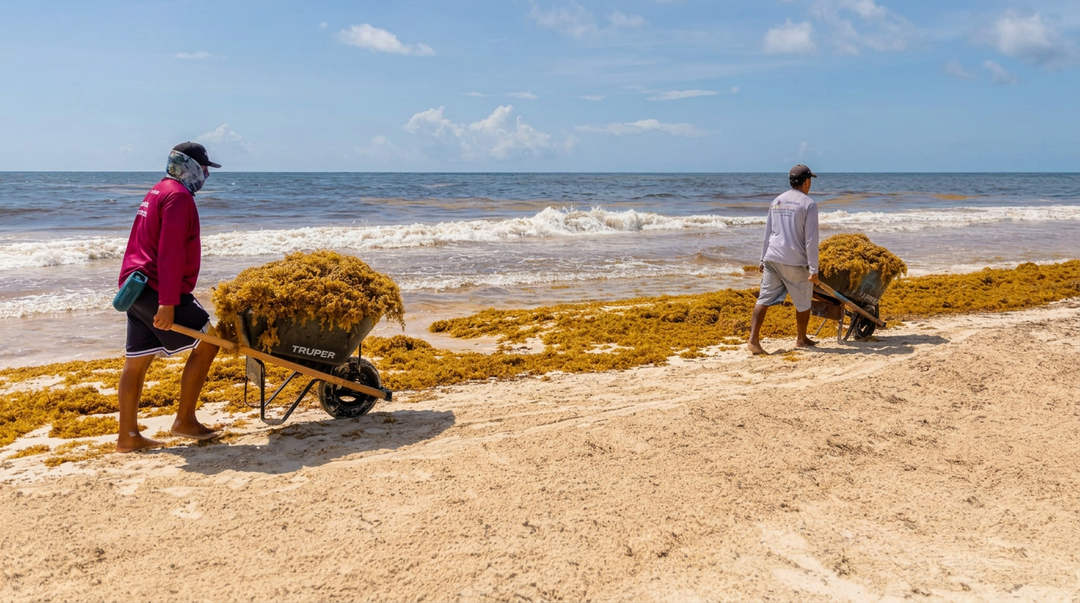
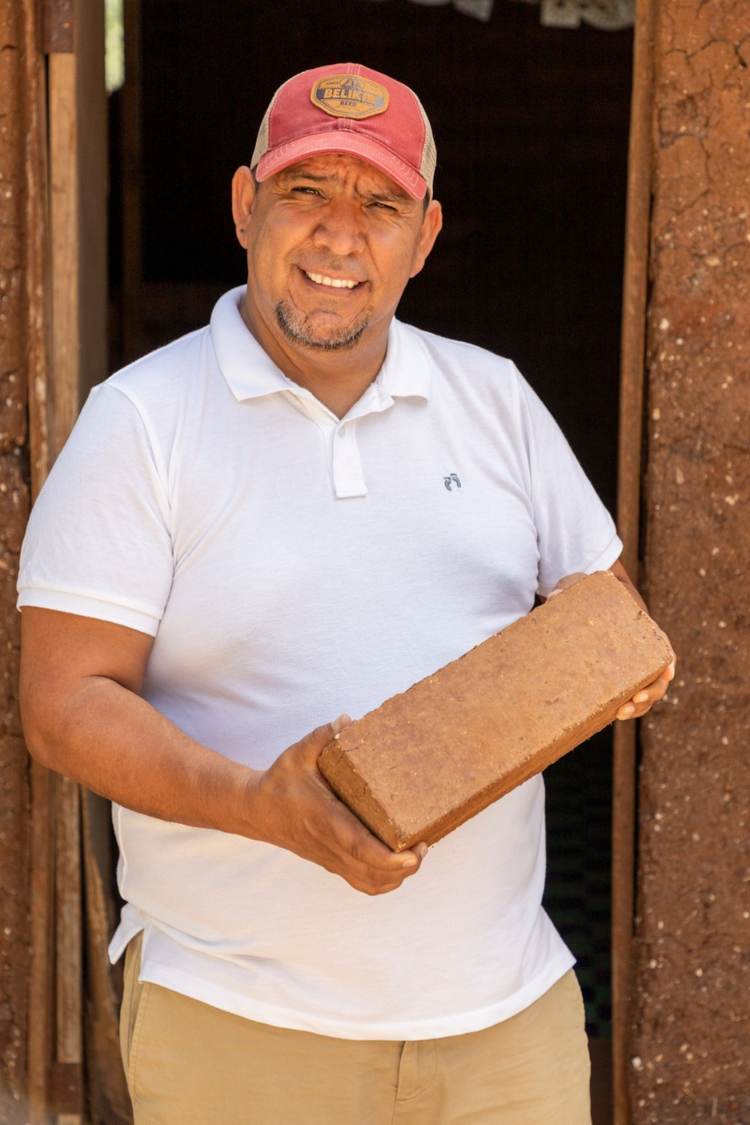
Omar Vázquez recuerda el momento exacto en que cambió su perspectiva. De pie en una playa de Puerto Morelos en 2018, rodeado de montañas de sargazo que le costaron un contrato lucrativo de limpieza, la mayoría de la gente veía un desastre. Él vio materia prima.
Ese cambio de pensamiento convirtió el dolor de cabeza ambiental más persistente de la Riviera Maya en una innovación constructiva reconocida internacionalmente. Hoy, su empresa Blue Green exporta la tecnología Sargablock a seis países, construye casas con lo que llega a la orilla, y demuestra cómo el mayor problema de la región se convirtió en una solución inesperada.
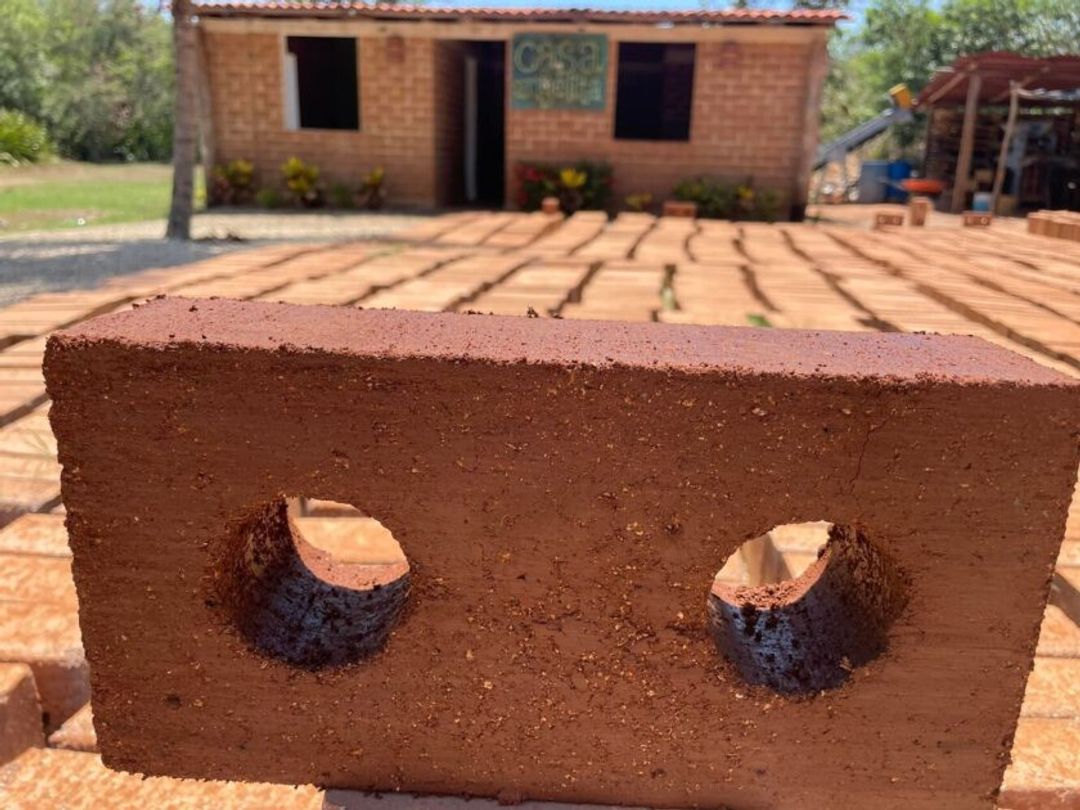
"Todos se quejaban del sargazo", dice Vázquez desde Casa Angelita, la primera casa construida completamente con sus bloques comprimidos en Puerto Morelos. "Decidí moldearlo y darle un uso, así como me moldé a mí mismo".
El jardinero que pasó años haciendo composta ahora produce 2,000 bloques de construcción diarios, cada uno contiene 40% sargazo y 60% materia orgánica. Se han fabricado más de un millón de bloques desde 2019, removiendo más de 100,000 toneladas de alga del Caribe y convirtiéndolas en muros, cuartos y casas completas.

Cuando la pérdida se convierte en ganancia
La innovación surgió del fracaso. En 2018, Blue Green tenía un contrato de limpieza de playas en la costa de la Riviera Maya. Cuando un funcionario del gobierno canceló el acuerdo, Vázquez enfrentó una decisión: aceptar la derrota o encontrar otro uso para las toneladas de sargazo que sabía cómo recopilar y procesar.
Regresó a Ocotlán, Jalisco, donde los recuerdos de la casa de adobe de sus abuelos encendieron una idea. Si los constructores tradicionales usaban tierra y paja durante siglos, ¿por qué no alga y materia orgánica?
Las pruebas comenzaron inmediatamente. Vázquez experimentó con fórmulas, niveles de compresión y procesos de secado hasta que desarrolló un bloque que igualaba la durabilidad del adobe ofreciendo ventajas térmicas y acústicas. Las pruebas de UNAM confirmaron posteriormente que el material podría durar hasta 120 años.
La patente llegó en 2019. El reconocimiento llegó en 2020 cuando Viena otorgó al Sargablock reconocimiento internacional como material sustentable de la década, compitiendo contra innovaciones de 85 países.

"Ese reconocimiento lo cambió todo", recuerda Vázquez. "De repente, el problema que todos querían que se fuera se convirtió en algo que la gente en otros países quería replicar".

Construir más que casas
Casa Angelita es la prueba del concepto. Construida hace seis años sin sellador ni barniz, la estructura se mantiene intacta a través de múltiples temporadas de huracanes. En el interior, las temperaturas se mantienen 10 a 12 grados más frías que afuera, reduciendo costos de energía y mejorando la comodidad en el calor caribeño.
El nombre honra a Angelita, la madre de Vázquez, quien murió hace 22 años. Él llama a la casa su "templo de sanación", el lugar donde la idea que cambió su vida tomó forma física.
Pero la transformación real ocurrió cuando Vázquez se dio cuenta de que los bloques podían hacer más que probar un concepto. Podían resolver crisis de vivienda para familias viviendo en condiciones que reconocía de su propio pasado.
Blue Green ha donado 18 casas completas en Quintana Roo. Cada una cuesta entre 200,000 y 220,000 pesos construir, representando ahorros del 40 a 50% comparado con construcción tradicional. Vázquez financia las donaciones a través de ganancias de su negocio de vivero, ventas de Sargablock y presentaciones.
María Dolores Prieto Saldierna recibió una de esas casas en Cancún. La ex encargada de estacionamientos vivía bajo un techo que goteaba con roedores después de que una lesión en la rodilla terminó su capacidad de trabajar. Contactos de la iglesia la conectaron con Vázquez, quien visitó, evaluó la situación y autorizó la construcción.
Quince días después, se mudó a una casa de Sargablock completa. "Pensé que bromeaban", dice. "Hasta que lo vi con mis propios ojos, no podía creer que alguien ayudara así".
Historias similares se repiten en toda la región. Mónica, madre de seis hijos cuya casa se quemó en Leona Vicario, recibió solo dos láminas de metal como ayuda del gobierno. Vázquez construyó una casa completa para su familia. Dos niñas en Cancún, víctimas de abuso, recibieron vivienda segura a través del mismo programa de donación.

Del escepticismo a la exportación
A pesar del reconocimiento internacional, Vázquez enfrentó resistencia en casa. Los residentes de Quintana Roo cuestionaban si los bloques olerían, se desintegrarían bajo la lluvia, o causarían problemas de salud. El apoyo gubernamental fue mínimo. La adopción comercial llegó lentamente.
"En México, la gente duda de los productos locales", observa Vázquez. "Si esto hubiera sido inventado en Alemania, todos lo querrían. Aquí, aún tengo que probar que funciona".
Los mercados internacionales mostraron menos dudas. La primera orden de exportación llegó de Inglaterra, donde un artista compró bloques como material para lienzo. Martinica, República Dominicana y Belice siguieron con órdenes de construcción.
La empresa se prepara para abrir su primera planta de producción internacional en Punta Cana, República Dominicana. Ghana representa la siguiente expansión importante, donde la acumulación de sargazo costero llega a 1.5 kilómetros en algunas áreas, devastando comunidades pesqueras.
"Sus playas tienen el mismo problema que teníamos en 2018", explica Vázquez. "Pero ahora tenemos la solución lista para exportar. Lo que hirió nuestro turismo puede ayudar su crisis de vivienda".
Los proyectos comerciales han crecido junto con las donaciones. Blue Green construyó cuartos de consulta médica para el DIF de Puerto Morelos, los primeros diez cuartos de hotel usando Sargablock en una propiedad local, y secciones de Plaza del Carmen en Playa del Carmen. Las negociaciones continúan con una cadena de ferretería de Quintana Roo para vender los bloques al por menor.

La fórmula detrás de la transformación
El proceso de producción comienza con la recolección en playas. Las cuadrillas recogen sargazo y lo transportan a la instalación de Puerto Morelos, donde el lavado remueve sal y arena. Sigue el secado al sol, luego la molienda industrial convierte el alga en polvo.
La fórmula patentada combina 40% polvo de sargazo con 60% materia orgánica local. Una prensa BTC comprime la mezcla a cinco toneladas de presión, formando bloques que miden 30x15x12 centímetros. El secado al sol elimina la necesidad de calentamiento industrial, reduciendo emisiones de carbono.
Cada bloque cuesta 16 pesos producir. La resistencia al fuego, aislamiento térmico y resistencia estructural comparable al adobe tradicional hacen el material adecuado para muros de carga. El proceso de compresión elimina el olor natural del sargazo.
Casa Angelita demuestra durabilidad a largo plazo. Ningún sellador, barniz o tratamiento químico ha sido aplicado a los muros. Seis años de clima caribeño, incluyendo exposición directa a huracanes, dejó la estructura intacta.

Midiendo impacto más allá de ganancias
Vázquez financia donaciones sin estatus de fundación, estructura de asociación civil o subsidios del gobierno. Cuando las ganancias del vivero y ventas de bloques llegan a 200,000 pesos, identifica una familia en necesidad y autoriza la construcción.
"Sé que alguien nos ayudó cuando no teníamos nada", dice. "Mucha gente nos dio comida cuando teníamos hambre. Ahora puedo devolver esa ayuda a otros".
El modelo de economía circular aborda múltiples problemas simultáneamente. La limpieza de playas remueve peligros ambientales. La producción crea empleos locales. La construcción proporciona vivienda accesible. Las ventas de exportación generan ingresos que financian más donaciones.
Más de un millón de bloques producidos significa más de 100,000 toneladas de sargazo removidas de aguas costeras. Cada tonelada recolectada mejora las condiciones de playa para el turismo mientras proporciona materia prima para construcción. El modelo escala: más llegadas de sargazo significan más material de construcción disponible.

Mirando hacia adelante
Para finales de 2026, Vázquez espera operaciones de Blue Green en seis a ocho países adicionales. Ghana permanece como prioridad, donde necesidades de vivienda y abundancia de sargazo crean condiciones ideales para la tecnología.
La planta de República Dominicana comenzará producción en meses. Socios beliceños están explorando fabricación local. El interés europeo continúa, aunque costos de envío hacen la producción local más viable que la exportación.
De vuelta en Quintana Roo, Vázquez continúa sembrando en su vivero, produciendo bloques e identificando familias que necesitan casas. Casa Angelita permanece como su punto de anclaje, el recordatorio físico de que problemas y soluciones frecuentemente contienen la misma materia prima.
"Todos me dijeron que el sargazo era basura, algo para remover y olvidar", reflexiona. "Pero vi qué podría convertirse. Esa es la lección, realmente. Los problemas más grandes frecuentemente esconden las oportunidades más grandes. Solo tienes que estar dispuesto a verlas diferente".
Los bloques continúan secándose bajo el sol de Puerto Morelos, cada uno transformando lo que la marea trae en algo sobre lo que las familias pueden construir futuros. Lo que comenzó como un contrato perdido se convirtió en un negocio de exportación. Lo que llegó como contaminación costera se convirtió en material de construcción. Lo que parecía un desastre se convirtió, para Omar Vázquez y las familias que ayuda, en oportunidad inesperada.
¿Qué papel debe jugar el gobierno en apoyar innovaciones que conviertan problemas ambientales en oportunidades económicas? Comparte tu perspectiva con nosotros en Instagram y Facebook en @thetulumtimes.

The Tulum Times · Newsletter
La nota sigue en tu correo.
Lo esencial de Tulum y contexto local, un par de veces por semana. Gratis.
Sin spam. Cancelá cuando quieras.
Tulum Sargassum Updates and Beach Conditions
Live seaweed conditions, cleanup updates, forecasts, and practical beach planning across Tulum and the Riviera Maya.

“The best journalists reporting from paradise, highlighting the heroes that keep Tulum the most beautiful place in the world! THANK YOU!”