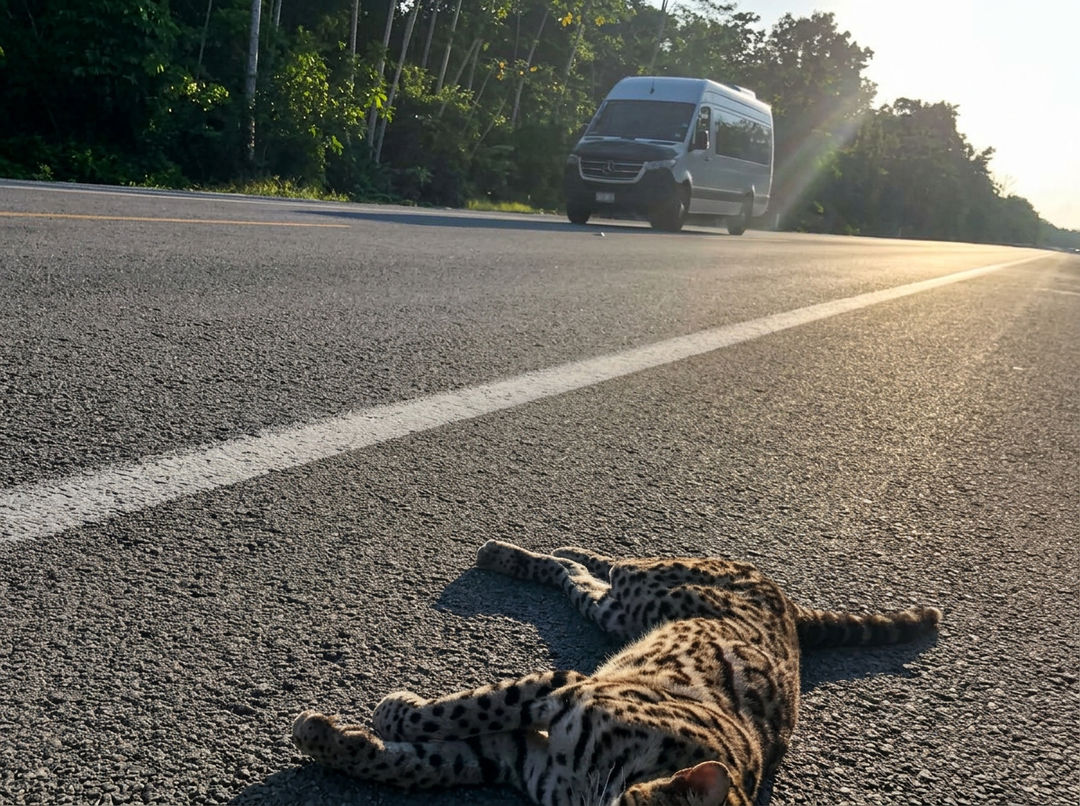
La muerte reciente de un ocelote en Tulum registrada en el camino El Tintal durante las primeras horas del 25 de abril ha expuesto vulnerabilidades críticas en las medidas de protección ambiental diseñadas para resguardar la biodiversidad única de la región.
El incidente, que ocurrió en el kilómetro 41 del camino, fue documentado por el explorador local y especialista Elías Siebenborn. Para ambientalistas y conservacionistas, esta muerte de un ocelote en Tulum es más que un trágico accidente vial; es un indicador claro del fracaso sistémico de la planificación de infraestructura para considerar el movimiento de depredadores ápice en un paisaje de selva que se fragmenta rápidamente.
Conforme Tulum transiciona de un enclave bohemio a un centro internacional de alta densidad, la presión sobre sus corredores naturales ha llegado a un punto crítico. La pérdida de un Leopardus pardalis, especie listada como en peligro de extinción bajo la norma oficial mexicana NOM-059-SEMARNAT-2010, subraya la intersección letal entre el crecimiento urbano acelerado y la preservación de la integridad ecológica de la Riviera Maya.
El Corredor Letal de El Tintal
El camino El Tintal (305D) funciona como una arteria vital que conecta la costa con el interior de la península. Sin embargo, su diseño representa un modelo antiguo de infraestructura que prioriza la velocidad vehicular sobre la permeabilidad biológica. Aunque existen señalización y límites de velocidad, frecuentemente son ignorados por el transporte comercial y el tráfico de alta velocidad, convirtiendo el camino en una barrera para especies felinas que requieren territorios grandes e ininterrumpidos para cazar y reproducirse.

Elías Siebenborn, quien ha dedicado años a documentar la flora y fauna de la región, señaló que la frecuencia de estos incidentes probablemente aumentará conforme se expanda la red de caminos. La configuración actual del camino El Tintal carece de pasos inferiores robustos para la vida silvestre y puentes biológicos requeridos para mantener una población saludable de felinos. Sin estas intervenciones físicas, la carretera actúa como una "trampa mortal" para animales que han utilizado estas rutas durante generaciones.
La fragmentación causada por la 305D se agrava por la presencia de la Carretera Federal 307 y el camino Tulum-Cobá. En conjunto, estas arterias rodean las zonas principales de selva del municipio, creando "islas" de hábitat demasiado pequeñas para mantener la diversidad genética. Cuando un ocelote se ve forzado a cruzar una carretera de alta velocidad para buscar alimento o pareja, la probabilidad de una colisión fatal es alta.
El Libramiento de Tulum: Una Amenaza Futura
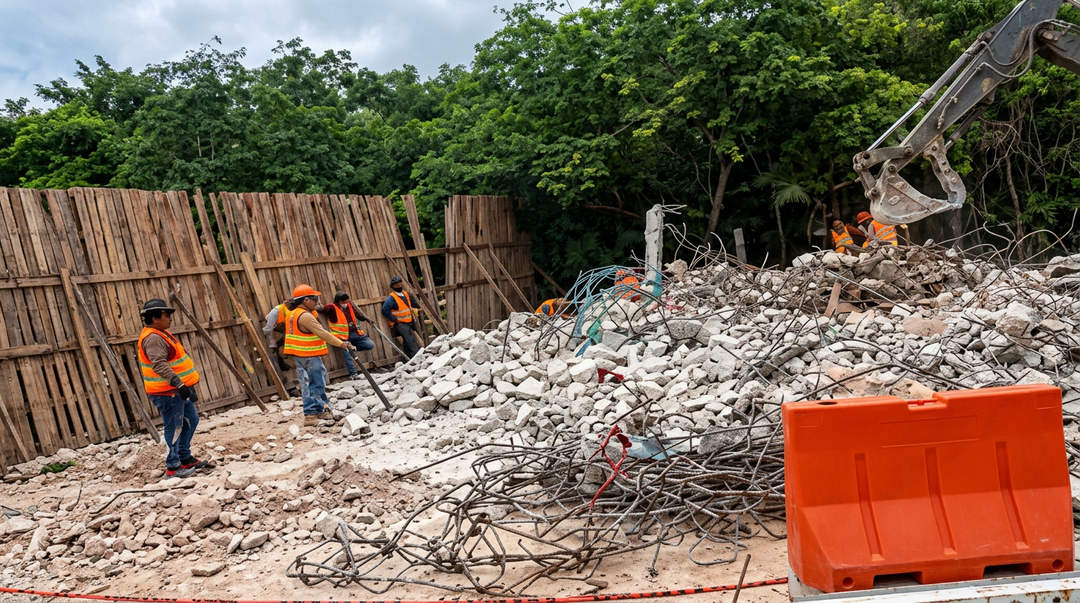
La muerte del ocelote en el kilómetro 41 ha intensificado el debate en torno al próximo Libramiento de Tulum. Este megaproyecto, encabezado por la Secretaría de Defensa Nacional (Sedena), está diseñado para desviar el tráfico pesado del centro de la ciudad. Sin embargo, su ruta propuesta atraviesa directamente el corazón de la selva y se asienta sobre el sistema Sac Actun, la red más grande de ríos subterráneos del mundo.
Grupos ambientalistas, incluido Sélvame del Tren, ya han presentado varios juicios de amparo en contra del proyecto, citando la falta de una Manifestación de Impacto Ambiental comprensiva y el daño irreversible al suelo kárstico. La muerte del ocelote en Tulum sirve como advertencia de lo que vendrá si el libramiento se construye sin cambios radicales a su arquitectura ambiental.

"Cuando construimos caminos en medio de la selva, inevitablemente fragmentamos el ecosistema", advirtió Siebenborn. El proyecto del libramiento amenaza con cortar la última conexión restante entre la selva costera y los bosques del interior profundo. Para una especie como el ocelote, ya bajo intensa presión por la pérdida de hábitat y la caza furtiva, este proyecto podría representar un punto de no retorno.
Riesgos Hidrológicos e Integridad Biológica
La salud biológica de los felinos de Tulum está inextricablemente ligada a la hidrología de la región. Los ríos subterráneos de Sac Actun no solo proporcionan agua para la selva sino que también crean los cenotes y depresiones que sirven como refugios naturales para la vida silvestre. La construcción de infraestructura pesada sobre estos sistemas frágiles amenaza con contaminar el acuífero y causar colapsos estructurales que destruirían hábitat crítico.
La fragmentación de la selva también altera el comportamiento de especies de presa, como venados y pecaríes, lo que a su vez fuerza a depredadores como el ocelote a mayor contacto con asentamientos humanos y carreteras. Esta disrupción ecológica crea un efecto en cascada que debilita todo el sistema. La muerte de un ocelote en Tulum no es un evento aislado; es una señal de un balance ambiental en descomposición.
Los conservacionistas argumentan que las medidas de mitigación actuales, como cercas básicas y alcantarillas de pequeño diámetro, son en gran medida decorativas. Para que un paso de vida silvestre sea efectivo para felinos grandes, debe diseñarse con datos de comportamiento específicos, incluyendo iluminación adecuada, amortiguación de sonido y cobertura vegetal que imite la selva circundante.
Un Llamado al Cambio Estructural
La muerte del ocelote en el camino El Tintal debe servir como catalizador para una reflexión más amplia sobre el modelo de crecimiento perseguido en el Caribe mexicano. La trayectoria actual, que prioriza la finalización rápida de infraestructura sobre la viabilidad ecológica, es insostenible.
Los ambientalistas hacen un llamado a las autoridades federales y municipales para que:
- Ordenen Puentes Biológicos: Modernizar las carreteras existentes y asegurar que el Libramiento de Tulum incluya pasos elevados para vida silvestre de amplio claro que permitan el movimiento natural.
- Implementen Controles de Velocidad: Aplicar control electrónico de velocidad en zonas de alta densidad felina e incrementar las sanciones por violaciones.
- Estudios Ambientales Transparentes: Asegurar que todos los nuevos proyectos, incluido el libramiento de Sedena, se sometan a evaluaciones rigurosas e independientes de impacto ambiental disponibles para escrutinio público.
- Protejan Corredores de Vida Silvestre: Designen y protejan oficialmente los corredores que conectan la Reserva de la Biosfera Sian Ka'an con los tramos de selva del norte.
La supervivencia del ocelote y otras especies icónicas como el jaguar depende de la capacidad de la región para integrar la naturaleza en su planificación. Si estas escenas de atropellamientos continúan siendo constantes en las carreteras de Tulum, la "marca" de un destino consciente y sustentable se perderá junto con sus activos naturales más valiosos.
Por ahora, la muerte en el kilómetro 41 permanece como un recordatorio desgarrador del costo del progreso. Es una súplica silenciosa de la selva por un modelo de desarrollo que respete las rutas antiguas de sus habitantes.
Únete a la conversación: Para más información sobre los retos ambientales de Tulum y la conservación de vida silvestre local, sigue a The Tulum Times en redes sociales.

The Tulum Times · Newsletter
La nota sigue en tu correo.
Lo esencial de Tulum y contexto local, un par de veces por semana. Gratis.
Sin spam. Cancelá cuando quieras.
Tulum Development, Permits, and Construction Watch
Reporting on permits, construction, regulation, and major development decisions shaping Tulum’s urban growth and investment climate.

“The best journalists reporting from paradise, highlighting the heroes that keep Tulum the most beautiful place in the world! THANK YOU!”