


Ingenieros militares derribarán la barda en la entrada del Parque del Jaguar en Tulum y construirán un arco en su lugar, anunció la presidenta Claudia Sheinbaum, reabriendo el paso peatonal desde el pueblo hacia las ruinas y el mar.
De todo lo presentado en la conferencia presidencial del viernes en Tulum, este es el proyecto que los residentes podrán ver y tocar. Los recortes de cuotas y el paquete federal de diez puntos fueron anunciados esa misma mañana, pero el arco responde a un agravio diferente. Desde que el parque reorganizó el acceso a la costa, la barda en la entrada tradicional se ha mantenido como la expresión física de una disputa sobre quién puede llegar a la playa y bajo qué términos.
Un Arco Donde Ahora Está la Barda
Sheinbaum dijo que la entrada tradicional será modificada al remover la barda existente y reemplazarla con un arco diseñado para recuperar la conexión visual y peatonal hacia la zona arqueológica y las playas. La presidencia asignó los trabajos a ingenieros militares, el mismo cuerpo que construyó el Aeropuerto Internacional de Tulum y secciones del Tren Maya.
Ningún render, presupuesto o calendario de construcción acompañó el anuncio. Lo que el gobierno se comprometió es el resultado: un acceso que permita a las personas de pie en el pueblo ver hacia la zona en lugar de enfrentar una barrera.
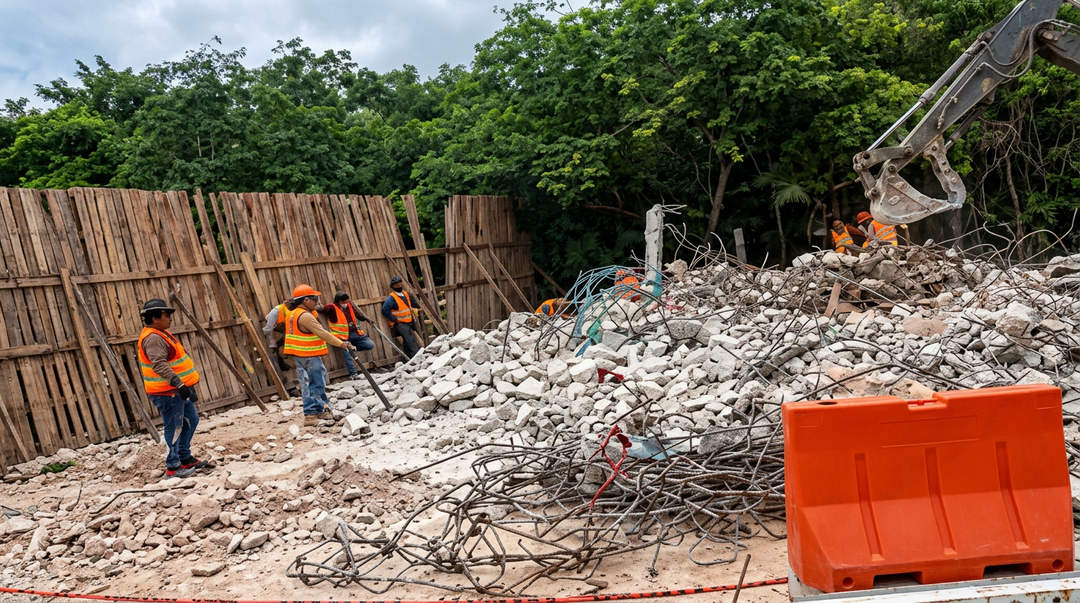
Qué Cambia en la Entrada del Parque del Jaguar
Bajo el nuevo esquema, ingresar al parque en sí no cuesta nada. Los visitantes que quieran solo el parque o sus playas pueden entrar desde la entrada tradicional sin pagar, dijo Sheinbaum, o pagar únicamente por el transporte si prefieren ir en camión. El transporte eléctrico operado por Grupo Mundo Maya reducirá su tarifa a 20 pesos, el precio que el antiguo tren turístico solía cobrar.
Seguirá siendo necesario boleto para la zona arqueológica y el área natural protegida, a 80 pesos para mexicanos y 265 pesos para visitantes extranjeros. El alcance exacto de la entrada libre produjo algunas inconsistencias en la redacción entre la presidenta y la secretaría de turismo, una discrepancia documentada en nuestra cobertura del paquete de diez puntos.
Un Estacionamiento Ecológico en el Acceso Sur
El rediseño de la entrada viene acompañado de un segundo proyecto. El gobierno construirá lo que llama estacionamiento ecológico en el acceso sur del parque, para que los visitantes dejen sus vehículos ahí y continúen en transporte eléctrico o a pie.
El propósito declarado es facilitar los accesos a una zona donde el estacionamiento ha sido improvisado durante años a lo largo del hombro de la carretera y en lotes privados con precios variables. Como ocurre con el arco, los funcionarios no dieron cifras de capacidad, costo ni fechas.

Dos Años de Fricción Convirtieron la Barda en un Símbolo
La barda se levantó como parte del proyecto Parque del Jaguar que reorganizó toda la franja costera alrededor de las ruinas. Desde el inicio, residentes, operadores turísticos y viajeros se quejaron de que el nuevo diseño reemplazó un paso abierto hacia el mar con puntos de control, cercas y cuotas. Las quejas llegaron hasta la presidencia: a principios de este año, Sheinbaum ordenó una revisión de la operación del parque después de presión pública sobre el acceso a la playa, y cierres de negocios y una petición en Tulum precedieron la visita del viernes.
Ese historial explica por qué el gobierno decidió enmarcar la demolición en términos casi cívicos. El anuncio describió el arco como la recuperación de una conexión, no como un trabajo de remodelación. Es un reconocimiento de que la barrera misma, más allá de cualquier cuota, se convirtió en la imagen de lo que salió mal.
Los Ingenieros Tienen el Trabajo, No la Fecha Límite
Asignar el trabajo a ingenieros militares señala que el gobierno federal quiere control directo sobre la ejecución en lugar de una licitación municipal. El cuerpo ha entregado proyectos grandes en la región conforme a tiempos políticos antes, lo que es precisamente por qué la fecha faltante importa. Nada de lo anunciado el viernes dice si la barda cae antes de la temporada alta invernal, ni cómo operará el acceso mientras la entrada está en construcción.
Dos indicadores mostrarán si esto avanza a la velocidad que el anuncio implicó: la aparición de cuadrillas de trabajo en la entrada tradicional, y la publicación de una norma operativa que confirme el ingreso peatonal gratuito en el acceso. Mientras tanto, la barda sigue en pie, y también la discusión que llegó a representar.
¿Un arco abierto cambiaría la forma en que entras a las ruinas de Tulum? Únete a la conversación y comparte tu perspectiva con nosotros en Instagram y Facebook en @thetulumtimes.

The Tulum Times · Newsletter
La nota sigue en tu correo.
Lo esencial de Tulum y contexto local, un par de veces por semana. Gratis.
Sin spam. Cancelá cuando quieras.
Tulum Cenotes, Ruins, and Practical Visitor Guides
Guides, access updates, regulations, and practical planning around cenotes and the Tulum archaeological zone.

“The best journalists reporting from paradise, highlighting the heroes that keep Tulum the most beautiful place in the world! THANK YOU!”


