

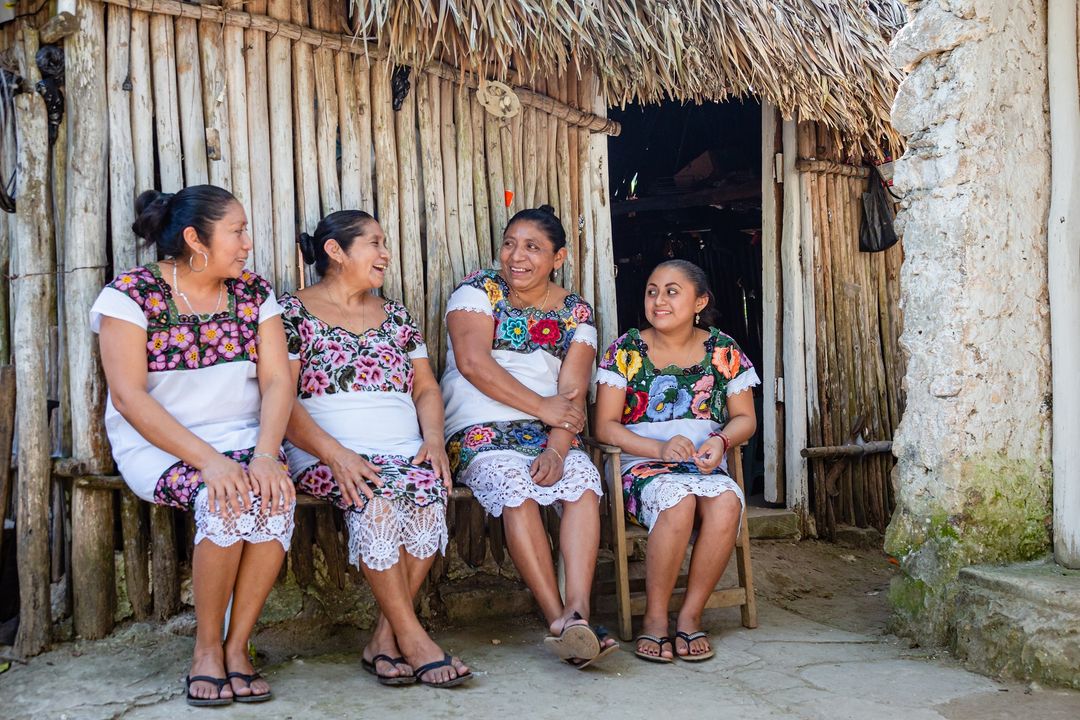
Durante décadas, la identidad global de Tulum se ha basado en una estrecha franja de arena blanca y los acantilados de piedra caliza de su zona arqueológica. Este monoproducto costero, si bien fue responsable del meteórico ascenso de la región, se ha enfrentado cada vez más a las presiones estructurales de su propio éxito, desde la proliferación de sargazo hasta las limitaciones logísticas de la carretera costera. Ahora, un giro estratégico hacia el interior del municipio indica una fase de maduración para el destino, a medida que las autoridades y las cooperativas locales trabajan para integrar la zona maya al circuito turístico principal.
Esta iniciativa, caracterizada por recorridos comunitarios e inmersión cultural, busca desvincular el futuro económico de Tulum de la costa. Al promover talleres artesanales, demostraciones gastronómicas y senderos naturales en la selva interior, el municipio intenta resolver una paradoja de larga data: la marcada disparidad económica entre una costa próspera y un interior históricamente marginado.
Esto no es simplemente una ampliación del catálogo de tours, sino un cambio fundamental en la forma en que Tulum interactúa con su geografía. A medida que los viajeros buscan cada vez más autenticidad en lugar de artificio, el **turismo comunitario de Tulum** emerge como la nueva frontera de lo que los especialistas del sector denominan hospitalidad consciente. Este cambio abarca comunidades como Francisco Uh May, Macario Gómez y Sahcabmucuy.
El agotamiento del modelo costero
La urgencia de esta diversificación se ve acentuada por el estado actual de la zona costera. El ambiente de Tulum, antaño caracterizado por su aislamiento y naturaleza virgen, se ha visto afectado por el desarrollo urbanístico de alta densidad y los desafíos medioambientales. El sargazo, la alga parda invasora que ha plagado el Caribe durante más de una década, ha obligado al sector turístico a buscar alternativas en aguas abiertas que no dependan del estado impredecible de las playas.
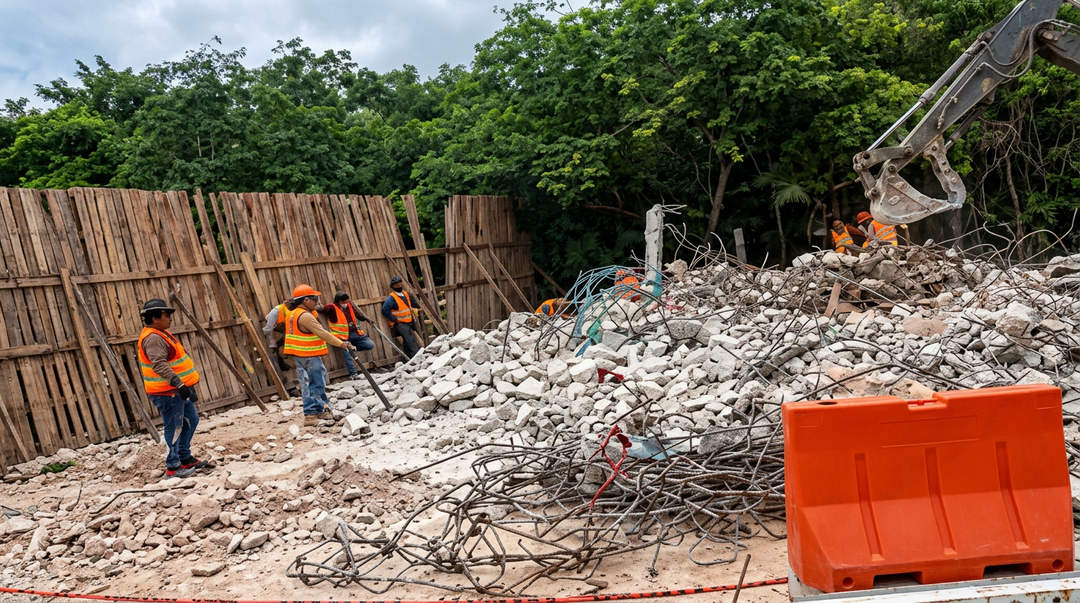
Las autoridades locales indican que, al distribuir a los visitantes en una zona geográfica más amplia, se puede mitigar la presión ambiental sobre el ecosistema costero. Más importante aún, esta estrategia aborda las fugas económicas que se producen cuando los ingresos del turismo rara vez llegan a las comunidades locales que viven a tan solo 20 kilómetros del mar. Al crear un vínculo directo entre el viajero internacional y el artesano maya, el municipio espera retener un mayor porcentaje de los ingresos turísticos dentro del tejido social local.
En la zona maya: un tipo de lujo diferente
Las experiencias que se promueven en la zona maya difieren significativamente del ambiente animado y playero de la costa. En poblados como Macario Gómez, se prioriza el turismo pausado y la interacción táctil. Se invita a los visitantes a talleres familiares para presenciar la creación de intrincadas tallas de madera y tejidos, habilidades transmitidas de generación en generación pero que antes eran desconocidas para el turista promedio.
«La demanda de cultura ya no es un interés secundario», afirma un coordinador turístico local. «Para el viajero moderno, comprender la procedencia de un objeto o la historia de un plato es un lujo en sí mismo». Este cambio en el comportamiento del consumidor proporciona el impulso necesario para justificar las inversiones en infraestructura en el interior del país, desde la mejora del acceso por carretera hasta la formación especializada de guías locales.
Los atractivos naturales del interior, en particular la vasta red de cenotes y lagunas de agua dulce vírgenes, contrastan con los concurridos sumideros costeros. Estos sitios, a menudo administrados por ejidos locales (grupos comunales de tierras), ofrecen una experiencia más sobria y educativa, resaltando la importancia espiritual y ecológica del sistema acuífero para el pueblo maya.

El papel de la infraestructura y el Tren Maya
El momento elegido para esta expansión hacia el interior no es casual. La inminente puesta en marcha del Tren Maya y la reciente inauguración del Aeropuerto Internacional de Tulum (TQO) han creado un marco logístico que facilita el acceso al interior como nunca antes. Históricamente, la zona maya era un desvío. En el panorama de 2026, se está convirtiendo en un destino por derecho propio.
Los especialistas sostienen que, para que este modelo comunitario tenga éxito, debe evitar los patrones depredadores que caracterizaron los ciclos de desarrollo anteriores. La integración requiere más que simplemente llevar autobuses a un pueblo. Requiere un marco legal y social sólido que garantice que la propiedad de la tierra permanezca en manos de las comunidades y que el patrimonio cultural no se convierta en un espectáculo mercantil.
En este contexto, el turismo sostenible implica proporcionar a la zona maya las herramientas necesarias para gestionar su propio crecimiento. Esto incluye sistemas de gestión de residuos, conectividad a internet fiable para las plataformas de reservas locales y educación bilingüe para los jóvenes que, con el tiempo, liderarán estas cooperativas.
Una identidad turística comunitaria unificada para Tulum
El objetivo a largo plazo es crear una identidad unificada para Tulum, donde la playa y la selva sean dos caras de una misma moneda, coherentes entre sí. Al conectar la costa con las comunidades mayas, Tulum puede ofrecer una experiencia profunda difícil de replicar para otros destinos caribeños. Este "Tulum holístico" es menos vulnerable a las fluctuaciones estacionales del turismo de playa y más resiliente ante los cambios ambientales.
A medida que el municipio avanza con estas rutas comunitarias, el indicador de éxito no será el número de visitantes, sino la calidad de la interacción y la mejora tangible en la calidad de vida de los residentes del interior. Si bien la costa pudo haber dado a conocer Tulum, la zona maya es lo que la mantendrá como un destino de primer nivel y sostenible para las futuras generaciones.
¿Cómo puede Tulum garantizar que el turismo comunitario preserve el patrimonio cultural sin caer en la mercantilización? Únete a la conversación y comparte tu perspectiva con nosotros en Instagram y Facebook en @thetulumtimes .

The Tulum Times · Newsletter
La nota sigue en tu correo.
Lo esencial de Tulum y contexto local, un par de veces por semana. Gratis.
Sin spam. Cancelá cuando quieras.
Maya Train, Tulum Station, and Regional Connectivity
Coverage of the Maya Train, stations, routes, travel changes, and infrastructure decisions affecting Tulum.

“The best journalists reporting from paradise, highlighting the heroes that keep Tulum the most beautiful place in the world! THANK YOU!”


