
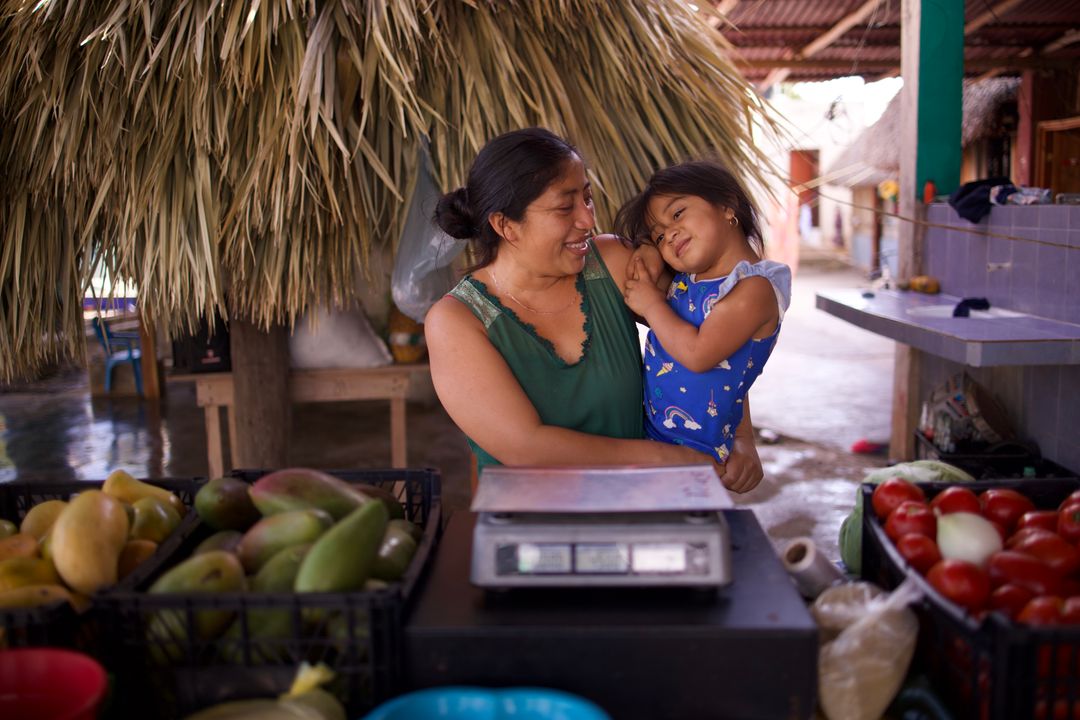
Antes de que Letras Itinerantes comenzara a involucrar madres en sus programas, pocos niños asistían a los talleres. Eso cambió. La asistencia aumentó 20 por ciento. La retención, comparada en períodos similares en diferentes comunidades, se incrementó 30 por ciento. La fundación no cambió su plan de estudios ni contrató más personal. Comenzó a trabajar con las madres.
El 28 de mayo, Letras Itinerantes lleva ese modelo a San Pedro, una comunidad cerca de Cobá en la Zona Maya. Una especialista en yoga y meditación dirigirá el primer taller maternal ahí, abriendo lo que la fundación describe como una nueva fase de su trabajo en Quintana Roo.
Las madres como punto de entrada
Letras Itinerantes opera en tres comunidades: dos en Quintana Roo y una cerca de Mérida. En cada una de ellas, la participación de un niño depende casi completamente de si la madre la apoya. Ella decide. Ella lleva al niño. Ella es también, en la mayoría de los casos, la persona que transmite la lengua maya, las tradiciones orales y la memoria cultural en el hogar.
El argumento de la fundación no es complicado: si quieres que niños en comunidades como estas se involucren consistentemente con programas educativos, tienes que invertir en las personas que hacen eso posible.

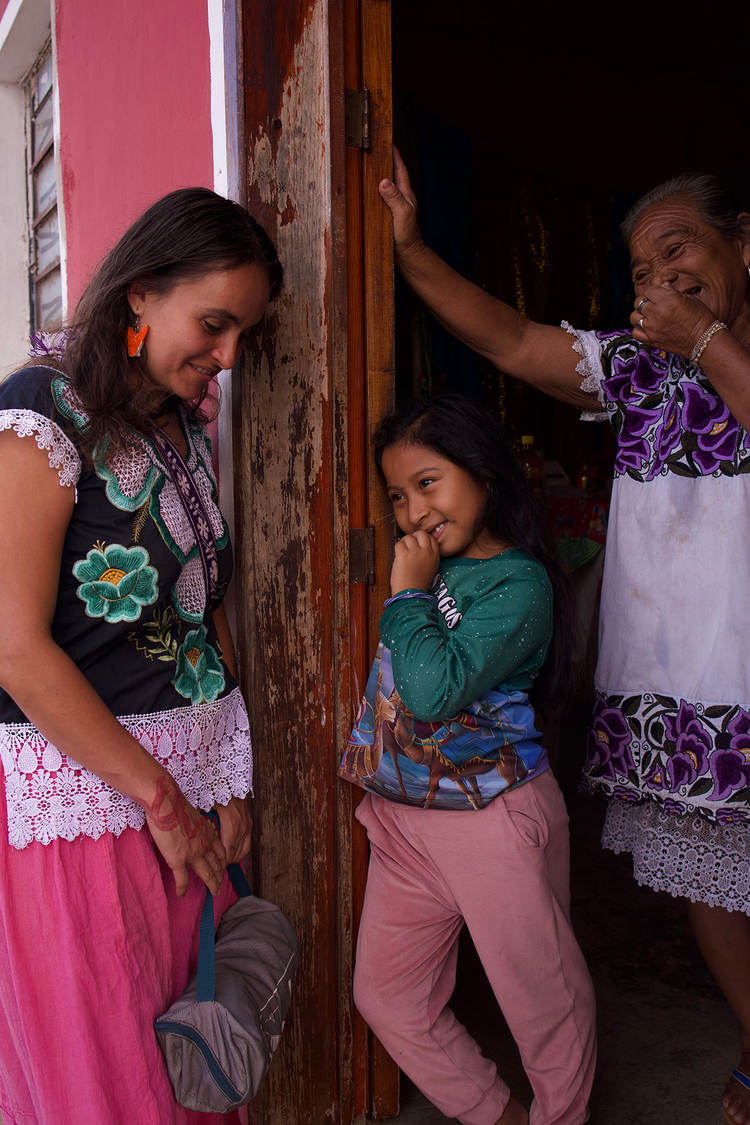
Los talleres anteriores para madres abordaron el autocuidado emocional, el manejo de la ira y cómo construir espacios protectores para los niños. Noventa madres participaron en comunidades cerca de Mérida. Esas sesiones fueron dirigidas por Fernanda Carvallo, especialista en desarrollo infantil temprano; Finlandia Fermín, maestra de yoga con formación en el método Reggio Emilia; y un grupo de colaboradores que incluye a Nancy Díaz Hutchinson, Lupita González, Dafne, Ycelika, Ceci Liotti y Paulina.
Las madres que participaron en esos talleres le dijeron a la fundación que sus hijos se habían vuelto más seguros de sí mismos. Más dispuestos a hablar. Más propensos a acercarse a personas que no conocían. Los padres en estas comunidades, de acuerdo con la fundación, ahora ven los talleres como importantes para el futuro de sus hijos.
Lo que San Pedro representa
San Pedro se encuentra dentro de la Zona Maya, una extensión de Quintana Roo rural donde la infraestructura de educación formal es limitada y los servicios de apoyo profesional rara vez llegan. La fundación ha estado expandiendo su presencia en comunidades como esta, aplicando la misma lógica que desarrolló antes: comienza con talleres creativos para niños, gana la confianza de la comunidad, luego amplía ese trabajo para apoyar a los adultos que moldean el entorno de los niños.
El lanzamiento del 28 de mayo también llega diez días después del Día de Madres en México. El momento es deliberado. Letras Itinerantes no está enmarcando el apoyo maternal como un programa complementario. Lo está enmarcando como el fundamento de todo lo demás.
Un modelo construido sobre un hallazgo
El argumento más claro para lo que la fundación está haciendo proviene de sus propios datos. Un aumento de 20 por ciento en asistencia y una mejora de 30 por ciento en retención no son el tipo de números que aparecen de un mejor mercadeo o un nuevo tema de taller. Aparecieron cuando las madres dejaron de ser la audiencia y se convirtieron en participantes.
En comunidades donde las mujeres cargan con el peso del cuidado diario, la transmisión cultural y la mediación educativa, ese cambio resulta importar más que casi cualquier otra cosa que la fundación pudiera modificar.
La fundación está buscando activamente especialistas para colaborar en próximos talleres en áreas que incluyen yoga, psicología, derechos humanos y educación infantil temprana. Los interesados pueden contactar a Letras Itinerantes a través de su sitio web o canales de redes sociales.
¿Qué se necesita para que los programas educativos funcionen en comunidades indígenas donde las madres son el primer punto de contacto? Únete a la conversación y comparte tu perspectiva con nosotros en Instagram y Facebook en @thetulumtimes .

The Tulum Times · Newsletter
La nota sigue en tu correo.
Lo esencial de Tulum y contexto local, un par de veces por semana. Gratis.
Sin spam. Cancelá cuando quieras.

“The best journalists reporting from paradise, highlighting the heroes that keep Tulum the most beautiful place in the world! THANK YOU!”