
"La caída de Tulum ha llegado". "No hay trabajo en verano, ¿cómo vivimos?" "Me estoy gastando el dinero para mantener el negocio abierto". Comentarios como estos se vuelven cada vez más comunes por toda la ciudad, y son desgarradores.
Escucho lo cansados que estamos todos. Cansados de la negatividad, cansados de no tener un plan claro, cansados de ver a nuestra ciudad arrastrada por el lodo. No puedo evitar que la policía extorsione a los turistas. Lo que sí puedo hacer es ofrecer tres cambios que comenzarían a poner a Tulum de nuevo en marcha.
Cuando comencé a discutir cómo arreglar Tulum con amigos y dueños de negocios, la respuesta que escuché una y otra vez fue que solo necesitamos arreglar la playa. Arregla la playa y los turistas regresan. Con respeto, no estoy de acuerdo, y fuertemente.
Vuelca todo en la playa y nos metemos en una pelea que perdemos. Hay muchas playas de todo el año que ya tienen lo básico de una ciudad real en su lugar. ¿Qué pasaría si lo invertimos? ¿Y si Tulum se convirtiera en un pueblo de todo el año con cenotes, lagunas, bienestar y selva que resulta tener una playa de temporada maravillosa?

Arreglar Tulum comienza con la luz, no con la playa
La electricidad se ha convertido en sinónimo de seguridad en todo el mundo. Aquí, el agua generalmente solo es accesible con electricidad, porque se necesita una bomba. Los turistas necesitan energía para enjuagarse el calor antes de una noche de diversión, echar una siesta, o comer donde quieran. Las familias la necesitan para los niños que no pueden dormir con el calor, para los baños, para calentar un biberón a las 2 a.m. Los nómadas digitales la necesitan para trabajar y tomar las reuniones que pagan su vida aquí. Los negocios la necesitan para ganar y cumplir con las expectativas de los clientes.
Cuando se va la luz, toda la seguridad que la electricidad trae desaparece de repente. ¿Dónde hay un baño que funcione? ¿De dónde saldrá la cena? ¿Cómo cargas el teléfono para confirmar un vuelo? ¿Cómo duerme alguien en una caja de 30 grados centígrados?
Eso es lo opuesto a unas vacaciones, y hace que los nómadas digitales se lo piensen dos veces antes de quedarse a largo plazo.
En los chats de WhatsApp locales, en el momento en que se corta la luz comienzan las preguntas. ¿Fue este corte planeado? ¿Cuánto durará? ¿Quién más está sin servicio? ¿A dónde puedo ir?

La electricidad en México es provista a nivel federal, pero aquí en Tulum el problema es más local, y por lo tanto más reparable. He visto a trabajadores de la CFE instalar un transformador usado en los postes. ¿Era ese todo el presupuesto? ¿Simplemente nos estamos arreglando con lo justo? Dado el nivel de inversión en Tulum, según mi entendimiento, el problema aquí es en gran medida corrupción.
Si ese es el problema, la ciudad puede acabar con la corrupción. No será divertido, pero la corrupción es una elección, y las elecciones se pueden cambiar.
También hay una opción privada. Muchos apartamentos en Tulum tienen paneles solares, pero casi todos están conectados a la red de la ciudad. Cuando la red se cae, los paneles se caen con ella. Devolver energía a la ciudad reduce las facturas mensuales, pero no entrega estabilidad.
Entonces dejemos que los edificios almacenen energía en baterías, y que la publiciten. Un edificio en Tulum que pudiera anunciar honestamente "siempre tiene energía" se llenaría. Cada vez que visito Digital Jungle durante un corte, el lugar está lleno, y solo mantienen wifi, no luces ni aire acondicionado.
Cuando las personas pierden electricidad, se sienten inseguras. Ese es el costo. Las personas no quieren sentirse inseguras, los negocios no pueden ganar, los planes de los turistas se derrumban, y los trabajadores remotos comienzan a contar con qué frecuencia sucede y si se perderán algo importante.
Una gran parte de los residentes se van de Tulum cada verano en lugar de enfrentarlo.
Los ecoturistas, familias, influenciadores y nómadas digitales todos necesitan energía. Cualquiera que sea el tipo de visitante que el futuro de Tulum traiga, esto viene primero. Tuberías, caminos, sargazo, todo eso puede esperar.
Deja de construir, comienza a llenar
Tulum está construyendo en exceso.
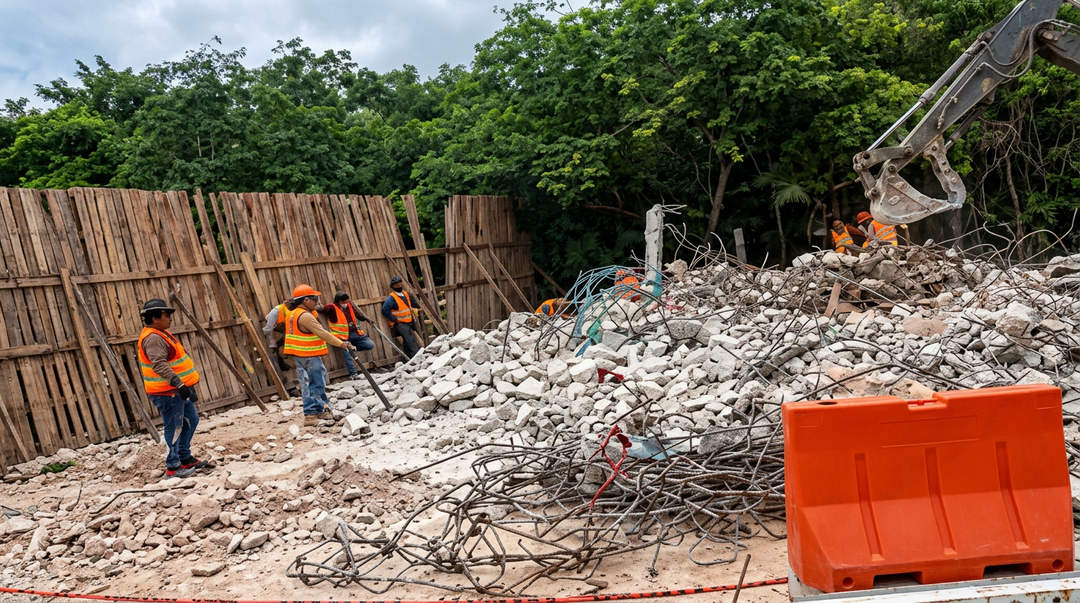
Dondequiera que mires, apartamentos a medio terminar bordean las calles, muchos de ellos nunca se completarán. La selva es arrasada y caminos improvisados se cortan. ¿Para quién? No hay gente que llene las unidades. Desarrollos enteros están con solo sus casas modelo construidas, mes tras mes, y los compradores son escasos.
Los precios bajaron entre 15 y 30 por ciento y aún así no hay suficientes personas. No conozco un solo vecindario o edificio que esté lleno. RivieraMayaCozy reportó una tasa de ocupación de 59.4 por ciento en enero, nuestro mes más ocupado, seguido de 34 por ciento en septiembre.
Es tiempo de pausar la construcción, al menos por ahora.
- El inventario vacío no ayuda a nadie.
- Las cáscaras medio construidas no albergan turistas ni pagan impuestos. Dicen a los visitantes que la ciudad se está desmoronando.
- Tulum se vende a sí misma como consciente del medio ambiente, así que la gente que viene aquí tiende a preocuparse por el ambiente. Quieren selva, no un sitio de construcción lleno de basura.
- Cada nuevo edificio sobrecarga la infraestructura que ya falla. Se corta la luz, se cierra el agua, y la ciudad tiene más que mantener, pobremente, con el tiempo.
Mi propuesta es simple. Solo los edificios de apartamentos ya aprobados antes del final de 2026 pueden continuar dentro de los límites de Tulum. Después de eso, nada de nuevas construcciones dentro de Tulum durante cuatro años o más.
El uno por ciento más rico todavía puede comprar su camino hacia excepciones tranquilas. Eso es frustrante. Pero en general, la construcción estaría confinada a sitios ya en marcha, lo que agrega valor a las propiedades existentes y rompe el ciclo de cáscaras en decadencia y abandonadas.
Es tiempo de que Tulum piense a largo plazo. Si nos retiramos hoy, regresamos más fuertes. ¿No vale la pena?
La paz y la tranquilidad son el nuevo lujo
En 2017, Tulum fue lanzado de la noche a la mañana a la cultura de influenciadores cuando los festivales electrónicos fueron sacados de Playa del Carmen y trasladados aquí. Luego en 2020 y 2021, se convirtió en el refugio de juerguistas que huían de un mundo cerrado, incapaces de llegar a sus destinos habituales.
Fue una fiebre del oro moderna, oportunidad en cada esquina sin instituciones que desaceleraran a nadie. Un pueblo dormido que había crecido tranquilamente durante décadas de repente explotó. Nos emocionamos. ¿Quién no lo haría?
Pero podemos decirlo claramente ahora. El turista influenciador se ha ido. En algún momento del camino, Tulum decidió que este tenía que ser su viajero, y ha estado persiguiendo ese fantasma desde entonces.
El influenciador necesita la joya escondida de este año, la esquina más exclusiva. Tulum no es ninguna de las dos cosas.
En un mundo obsesionado con pantallas y hambriento de reuniones verdaderas, Tulum ofrece algo diferente, una aventura segura. Tenemos una comunidad fuerte, eventos sin fin, selva, restaurantes, tiendas de abarrotes, internet rápido, un aeropuerto, y una vida que existe fuera de la tecnología.
Somos viajes lentos en su mejor forma.
Tulum siempre ha sido sobre libertad. Libertad para relajarse sin ruido de la ciudad. Para dormir temprano por la salida del sol o bailar hasta tarde. Para aprender a manejar una moto y pasar el día en un cenote. Libertad para respirar en lugar de consumir.
En mayo, me sorprendió ver a American Airlines publicitando Tulum en una pequeña ciudad estadounidense fuera del camino. "TUL a las Ruinas de Tulum, solo una parada de distancia". La aerolínea no comenzó con beach clubs o lujo. Comenzó con autenticidad y aventura. El mercado ya está dispuesto a vender Tulum. American Airlines simplemente quiere llenar una ruta que ya vuela. Decide para quién es Tulum, atráelos, y el mercado notará quién está reservando y traerá más. No tenemos que hacer todo el marketing nosotros mismos. Solo tenemos que mirar quién realmente está viniendo, y elegir.
¿Quién ha resistido la prueba del tiempo en Tulum? ¿Qué visitante realmente tiene sentido aquí?
Los trabajadores remotos podrían llenar las unidades vacías
En Estados Unidos hay un programa de reubicación llamado Tulsa Remote, dirigido por la misma ciudad que ahora publicita Tulum. Tulsa no es un destino turístico. Está en lo que los estadounidenses llaman los estados de paso. El programa se convirtió en un éxito arrollador.
Los trabajadores remotos que cumplen los requisitos reciben dinero para mudarse a Tulsa durante un año. Aproximadamente el 70 por ciento todavía están allí después de su primer año, y los miembros han generado aproximadamente 878 millones de dólares en ingresos locales desde 2018. Según un análisis del Instituto Upjohn, el programa devuelve aproximadamente cuatro dólares por cada dólar gastado, muy por encima de los dos a uno usuales para incentivos comerciales tradicionales.
Las personas quieren un viaje de 15 minutos a cualquier lugar, un ritmo más lento, dinero que rinde más, y una comunidad real. Tulum tiene todo eso, más cenotes, lagunas, comida diversa, festivales, y bienestar de clase mundial.
Los grandes edificios tienen inventario vacío y no hay una forma obvia de llenarlo. Así que trae trabajadores remotos para llenarlo. Mexicanos, estadounidenses, canadienses, cualquiera de ellos sería una victoria. Los nacionales mexicanos pagarían impuestos a Tulum, lo que los hace la victoria más fuerte de todas.
Empareja el programa con un espacio de coworking que permanezca conectado durante los cortes, y esto es algo que Tulum podría lanzar ahora para comenzar a llenar un solo edificio. Nada como esto ha sido intentado en México. Imagina la publicidad, y el argumento de venta. ¿Cansado de tu jornada de 8 a 8, de la presión de tener hijos, y de vivir para comprar una casa sobrepreciada en vecindarios que todos se ven igual? Ven a vivir.
Tengo una propuesta de programa lista para cualquier complejo grande interesado.
Los aventureros del bienestar ya vienen aquí
El año pasado, el maratón de Tulum fue un éxito que nadie esperaba. Aproximadamente 2,500 corredores llenaron las calles. Conocí visitantes de Francia que vinieron a correr a través de la selva, luego a relajarse en la playa y los cenotes. La carrera tuvo problemas, y espero que los arreglemos este año. Podría volverse grande.
Tulum está en la parte superior de todas las listas de lo mejor para buceo en cuevas. Nuestros 1,500 kilómetros de cenotes son algo que solo este lugar puede ofrecer al mundo. He conocido gente de Israel que se mudó aquí durante seis meses para certificarse, y maestros de ciencias de secundaria que regresan cada verano y vacaciones de primavera. Los cenotes son especiales, y nos hacen únicos en el Caribe.
Tulum también tiene una comunidad de club de carrera notable. Run Tulum cuenta con más de 1,000 miembros, y las carreras del sábado atraen en promedio 250 personas, uno de los turnouts más consistentes en la ciudad, y algo que la ciudad solo tiene que comenzar a publicitar. Los clubes de carrera están en auge en todo el mundo. Creemos un club hermano con una ciudad en Estados Unidos o Europa.
Cada martes y jueves por la mañana, un club de bicicleta de montaña sale hacia Sian Ka'an o Parque del Jaguar. Ningún turista ni siquiera sabe que existe. Tenemos calistenia enseñada por antiguos Olímpicos, gimnasios de Muay Thai con entrenadores de clase mundial, y pilates dirigida por directoras divisionales de marcas globales. ¿Dónde se publicita nada de esto?
Esto es Tulum. Una comunidad de bienestar como ninguna otra que haya visto en ningún lugar, una que tienes que vivir aquí por un tiempo para incluso descubrir.
Como un pueblo de playa de fiesta de lujo, Tulum compite con Cancún, Playa del Carmen, y Punta Cana, y agregaría Puerto Vallarta y Cabo, y perdemos en precio y confiabilidad. Lee el artículo del Tulum Times "Tulum Did Not Fall" para ese argumento. Pivota a un pueblo de aventura y bienestar, y nuestra competencia se convierte en Nosara o Santa Teresa en Costa Rica, o Lago Atitlán en Guatemala. Estamos mucho más cerca de Estados Unidos. No nos falta belleza o actividad de todo el año. Solo estamos demasiado fijados en el viajero de playa de temporada.
Entonces enfoquémonos en la magia natural de Tulum. Los hoteles blanqueados y la comida de lujo presentada no son Tulum. Tulum es una aventura, una pequeña ciudad con un pulso internacional, el lugar donde puedes sentirte bien, hacer amigos, explorar, y aún así volver a casa a comodidades modernas. Piensa en senderismo de cama y desayuno, no mochilero. Habla con la persona que vive en una ciudad y no ha realmente vivido en un tiempo.
Un cambio pequeño a la vez
Eso es todo. Como lo expresó el Tulum Times, Tulum no cayó por su cuenta. Fue empujado, un pequeño fallo a la vez. La buena noticia es que así es exactamente como reconstruyes una ciudad, un pequeño cambio a la vez. Mantén las luces, el agua, e internet encendidos. Deja de construir edificios vacíos. Llena lo que ya tenemos con gente que se queda todo el año.
Enfoquémonos en lo que hacemos mejor que cualquier ciudad en México. Tenemos la comunidad, los cenotes, las lagunas, la selva, el bienestar, la aventura, y una ubicación inmejorable. La playa tendrá su temporada, como lo hacen la mayoría de las playas. Construyamos para el año.
¿Un Tulum de todo el año construido alrededor de cenotes, bienestar, y trabajadores remotos serviría a la ciudad mejor que perseguir a la multitud de playa de temporada? Únete a la conversación y comparte tu perspectiva con nosotros en Instagram y Facebook en @thetulumtimes.
This image was generated or enhanced using artificial intelligence to improve its quality.

The Tulum Times · Newsletter
La nota sigue en tu correo.
Lo esencial de Tulum y contexto local, un par de veces por semana. Gratis.
Sin spam. Cancelá cuando quieras.
Tulum Cenotes, Ruins, and Practical Visitor Guides
Guides, access updates, regulations, and practical planning around cenotes and the Tulum archaeological zone.

“The best journalists reporting from paradise, highlighting the heroes that keep Tulum the most beautiful place in the world! THANK YOU!”