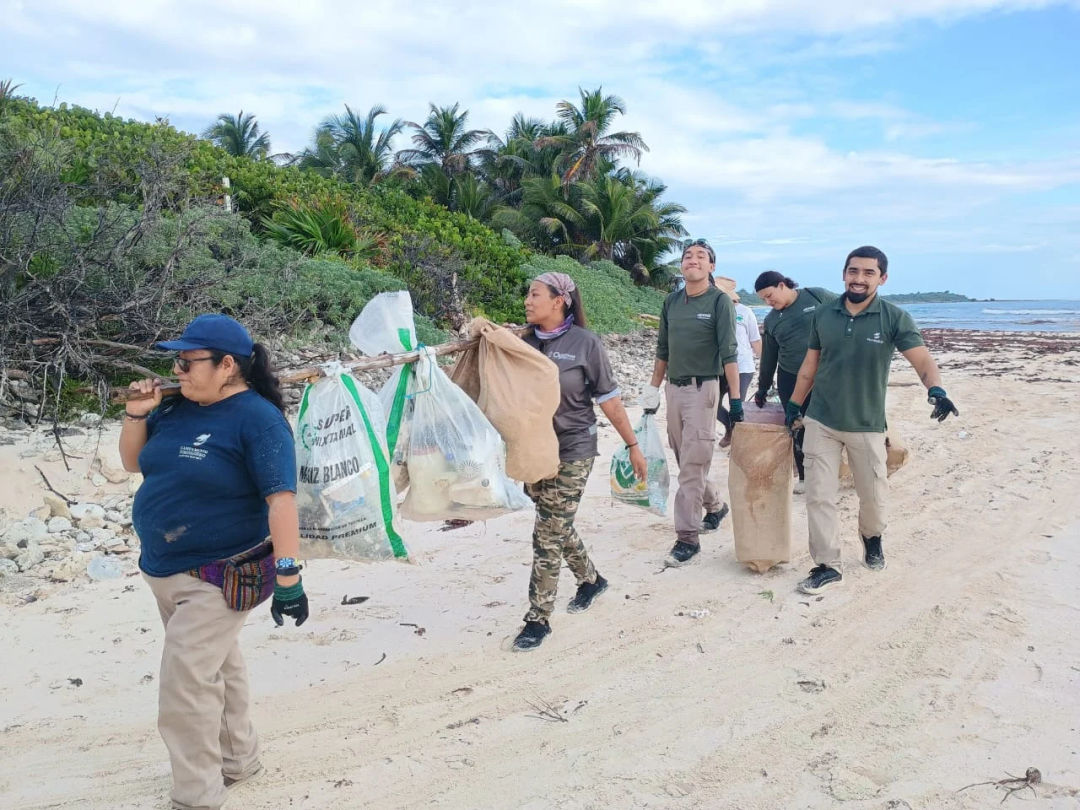
En los primeros meses de 2026, un volumen pequeño pero significativo de residuos fue extraído de las arenas blancas de Playa Aventuras DIF en Tulum, marcando un nuevo capítulo en la defensa local del ecosistema caribeño. La iniciativa Fundacion Eco-Bahia Programa SAK beach cleanup Tulum concluyó recientemente su más reciente jornada mensual, obteniendo una recolección que, aunque modesta en masa, señala un cambio profundo en cómo la Riviera Maya enfrenta la amenaza creciente de degradación costera.
La intervención cubrió 0.72 kilómetros de litoral, resultando en la remoción de 5.45 kilogramos de escombros. Sin embargo, el peso de los residuos fue secundario a su composición. Entre los plásticos desechados y los residuos orgánicos, los voluntarios identificaron 227 pellets individuales, coloquialmente conocidos como nurdles. Estas esferas plásticas del tamaño de una lenteja son la materia prima de la industria global de plásticos, pero cuando escapan de la cadena de suministro de manufactura, se convierten en uno de los contaminantes más insidiosos del mundo marino.
Para Tulum, un destino definido por su fragilidad biológica, la presencia de estos microplásticos representa un ataque directo al legado reproductivo de la región. El Programa SAK, un acrónimo derivado de la palabra maya para claridad o pureza, ha evolucionado más allá de la simple recolección de basura para convertirse en un esfuerzo de monitoreo forense de la arena misma. Al enfocarse en estos contaminantes microscópicos, la fundación está abordando una amenaza que a menudo elude los protocolos de limpieza estándar pero permanece letal para la fauna local.
La mecánica oculta de la crisis de nurdles
El descubrimiento de 227 nurdles en una sola sesión subraya una vulnerabilidad regional que ha preocupado a ambientalistas durante mucho tiempo. A diferencia de botellas de plástico grandes o equipo de pesca abandonado, los nurdles son fácilmente confundidos con alimento por vida marina, particularmente por las tortugas marinas que frecuentan las playas de la Riviera Maya para sus rituales de anidación anual. Cuando son ingeridos, estos pellets no proporcionan valor nutricional pero crean una falsa sensación de saciedad, conduciendo a desnutrición y, eventualmente, inanición.

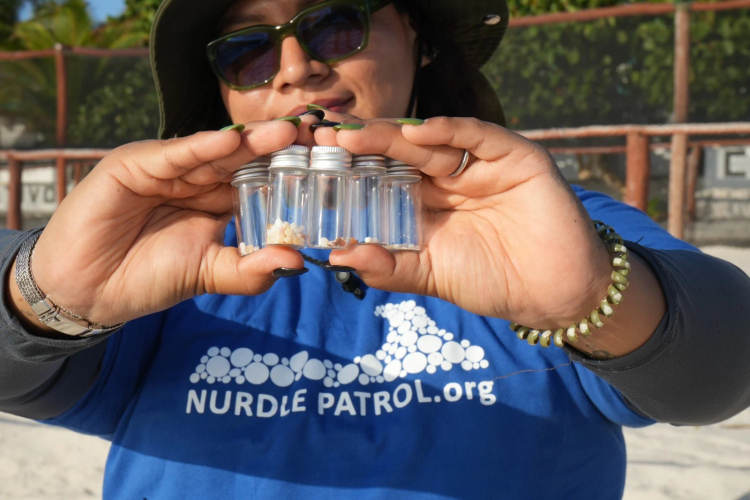
Además, estas esferas plásticas actúan como imanes para químicos tóxicos. Debido a sus propiedades químicas, los nurdles absorben contaminantes orgánicos persistentes del agua oceánica circundante, concentrando toxinas que luego entran en la cadena alimenticia cuando son consumidas por peces o crustáceos. Para las tortugas carey y laúd que habitan estas aguas, la arena de Playa Aventuras DIF debe permanecer como un santuario, no como un campo minado de subproducto industrial.
Luis Verdín, director de Fundación Eco-Bahía en México, enfatizó que el objetivo del Programa SAK no es meramente restaurar la estética visual de la playa. Cada acción de limpieza representa mucho más que retirar residuos, afirmó Verdín durante la más reciente jornada. Es una forma de restaurar el equilibrio natural y fortalecer la conexión de las personas con su entorno. En Eco-Bahía, creemos que la conservación solo es posible cuando se convierte en una responsabilidad compartida.
Expansión de la estrategia Fundacion Eco-Bahia Programa SAK beach cleanup Tulum
El Programa SAK no es un esfuerzo aislado sino un componente de una estrategia mucho más amplia de sustentabilidad que Fundación Eco-Bahía ha mantenido desde su inicio en 1999. Fundada por el grupo de resorts Bahía Príncipe, la fundación ha invertido más de dos décadas navegando la intersección compleja de turismo de lujo y mayordomía ambiental.
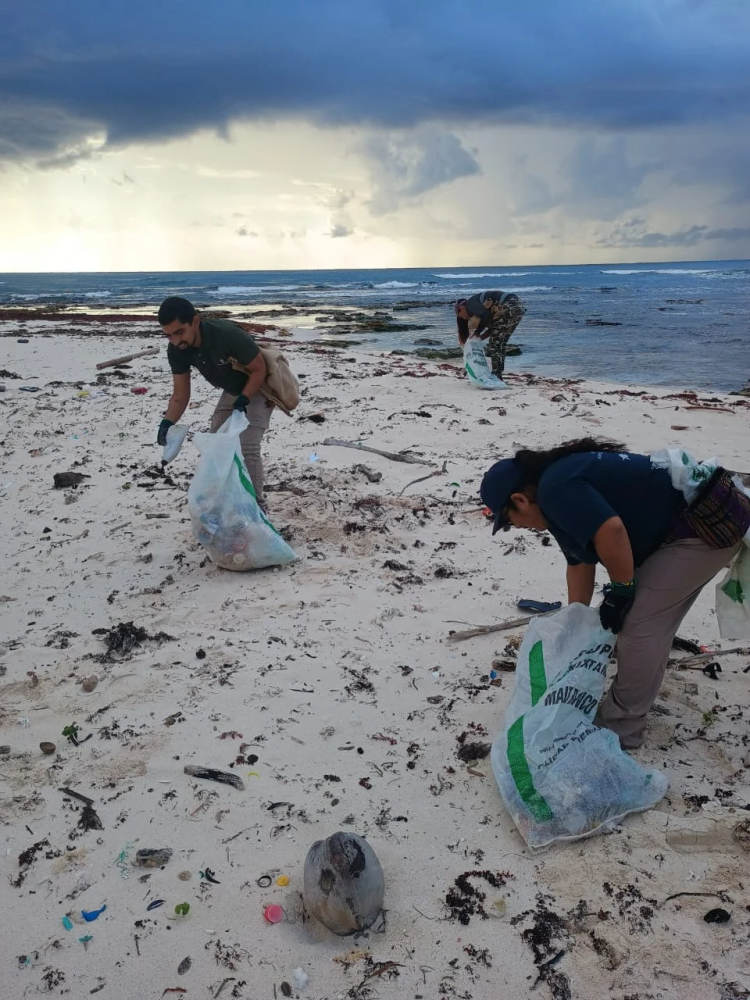
En 2026, esta misión se ha alineado con el movimiento global hacia turismo regenerativo. A diferencia del turismo sustentable, que busca minimizar daño, el turismo regenerativo apunta a mejorar activamente la salud del destino. Las limpiezas mensuales en Tulum sirven como una aplicación tangible de esta filosofía, involucrando colaboradores, voluntarios y aliados estratégicos como ZOFEMAT (la Administración de la Zona Costera Federal) y el Tulum Country Club.

Al integrar huéspedes de Bahia Principe Hotels and Resorts en estas sesiones, la fundación transforma una experiencia vacacional en un acto de agencia ambiental. Esta participación fomenta un sentido de pertenencia y corresponsabilidad, cerrando la brecha entre la naturaleza transitoria del turismo y las necesidades permanentes del ecosistema local.
Fortalecimiento del tejido social y ecológico
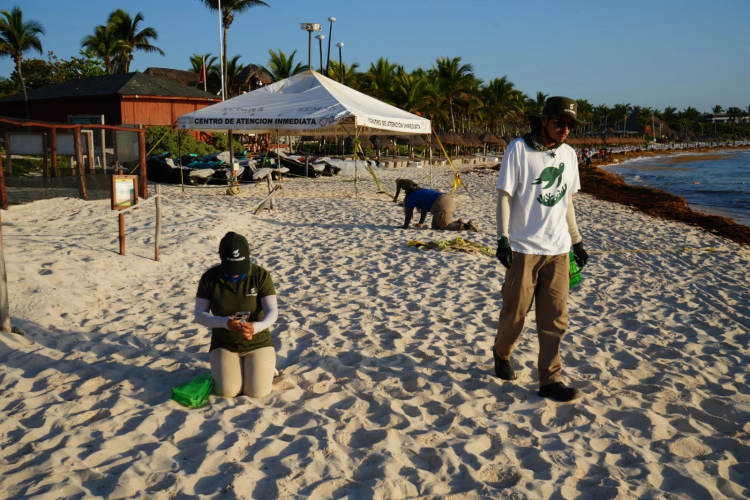
El éxito de la jornada reciente en Playa Aventuras DIF es el resultado de una red colaborativa que incluye autoridades locales y equipos del sector privado. La participación de ZOFEMAT garantiza que los esfuerzos estén sincronizados con objetivos ambientales municipales, mientras que el apoyo logístico del Tulum Country Club permite una cobertura más eficiente de los 0.72 kilómetros.
El impacto de estas acciones se extiende a la estructura misma de la arena. La presencia de microplásticos puede alterar la temperatura y permeabilidad de los nidales, factores que son críticos para determinar el sexo de las crías de tortuga y su tasa general de supervivencia. Al remover meticulosamente 227 pellets, los voluntarios están efectivamente afinando las condiciones biológicas requeridas para la próxima generación de vida marina.
Esta integración social es quizá el subproducto más duradero del Programa SAK. Cuando comunidades locales y visitantes internacionales trabajan hombro a hombro para cribar la arena, la narrativa de Tulum cambia. Ya no es solo un telón de fondo para consumo sino una entidad viviente que requiere mantenimiento activo.
Un llamado a la acción colectiva
Conforme se acerca la temporada de anidación de 2026, la urgencia de estas limpiezas se torna más pronunciada. Fundación Eco-Bahía ha emitido un llamado a la comunidad más amplia bajo la consigna Manos a la arena: Súmate a la limpieza de nuestra playa. Este llamamiento reconoce que mientras los esfuerzos institucionales son vitales, la escala de la crisis de microplásticos requiere una respuesta humana masiva y sostenida.
La fundación también facilita participación directa a través de su plataforma digital oficial, invitando a quienes no pueden asistir físicamente a las jornadas a contribuir mediante donaciones. Estos recursos se destinan a la adquisición de equipos especializados de monitoreo y a la expansión del Programa SAK hacia otros tramos vulnerables del litoral.
El camino hacia un Caribe libre de nurdles es largo y lleno de desafíos técnicos, pero los resultados recientes en Tulum proporcionan un modelo para la acción local con implicaciones globales. Al tratar 5.45 kilogramos de residuos con la gravedad de un evento ambiental mayor, Fundación Eco-Bahía está asegurando que las arenas blancas de la Riviera Maya continúen sirviendo su propósito más importante: como cuna de vida.
¿Cómo puede Tulum equilibrar el crecimiento del turismo industrial con la preservación de sus frágiles ecosistemas marinos? Únete a la conversación y cuéntanos tus opiniones en los comentarios.
Para quienes estén interesados en apoyar estos esfuerzos de conservación, los detalles y opciones de donación están disponibles en el sitio oficial: https://eco-bahia.com/colabora

The Tulum Times · Newsletter
La nota sigue en tu correo.
Lo esencial de Tulum y contexto local, un par de veces por semana. Gratis.
Sin spam. Cancelá cuando quieras.
Beach Access, Public Shoreline, and Coastal Rules in Tulum
Coverage of public beach access, coastal restrictions, closures, and the balance between tourism and public space.

“The best journalists reporting from paradise, highlighting the heroes that keep Tulum the most beautiful place in the world! THANK YOU!”