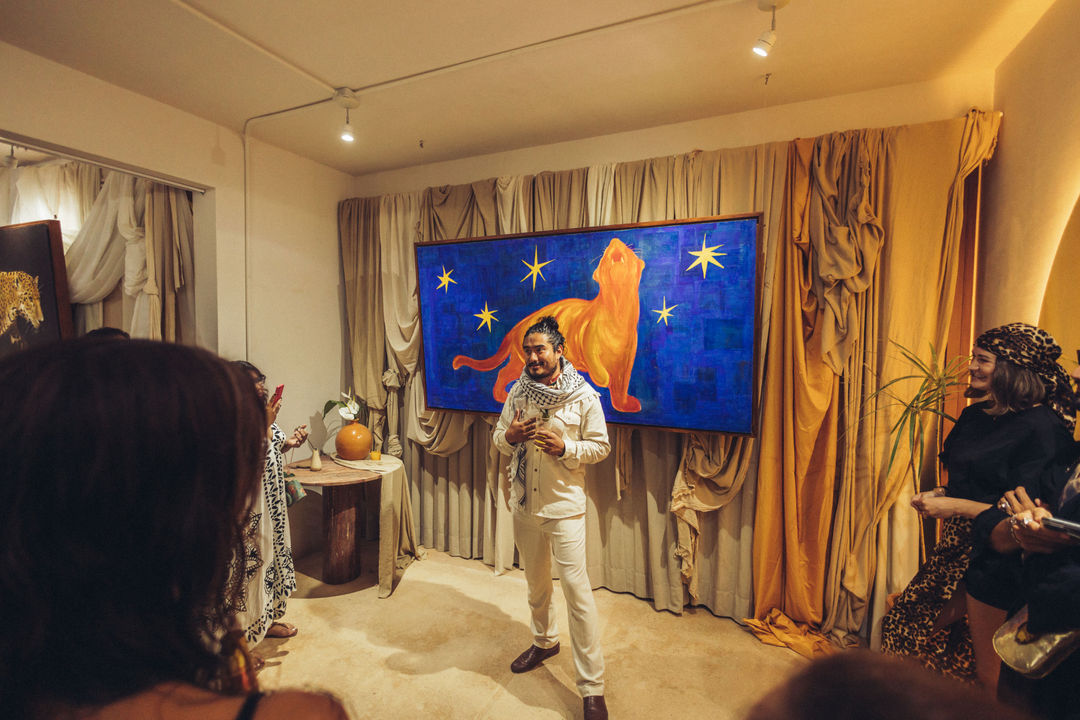
La exposición del artista mexicano Luis Antonio Trujillo, Encierros, apoteosis de un retrato, cerró su temporada de 60 días en Artery by Bacab registrando récord de asistencia y ventas para la escena de arte contemporáneo de Tulum.
La muestra atrajo aproximadamente 500 visitantes y generó ventas por alrededor de 30 mil dólares USD durante su presentación de dos meses, con obras viajando a colecciones privadas en Alemania, Canadá, Guadalajara, Valle de Bravo y California. Varias piezas se quedaron en Tulum, expandiendo una base de coleccionistas locales que ha crecido junto con la economía del turismo de la ciudad.
Estas cifras importan menos como números aislados que como señal. Sugieren que Tulum, durante mucho tiempo definida por la hospitalidad y el turismo de playa, puede sostener programación seria de arte contemporáneo que atraiga compradores nacionales e internacionales.
Un proyecto de catorce meses construido alrededor de un jaguar en cautiverio
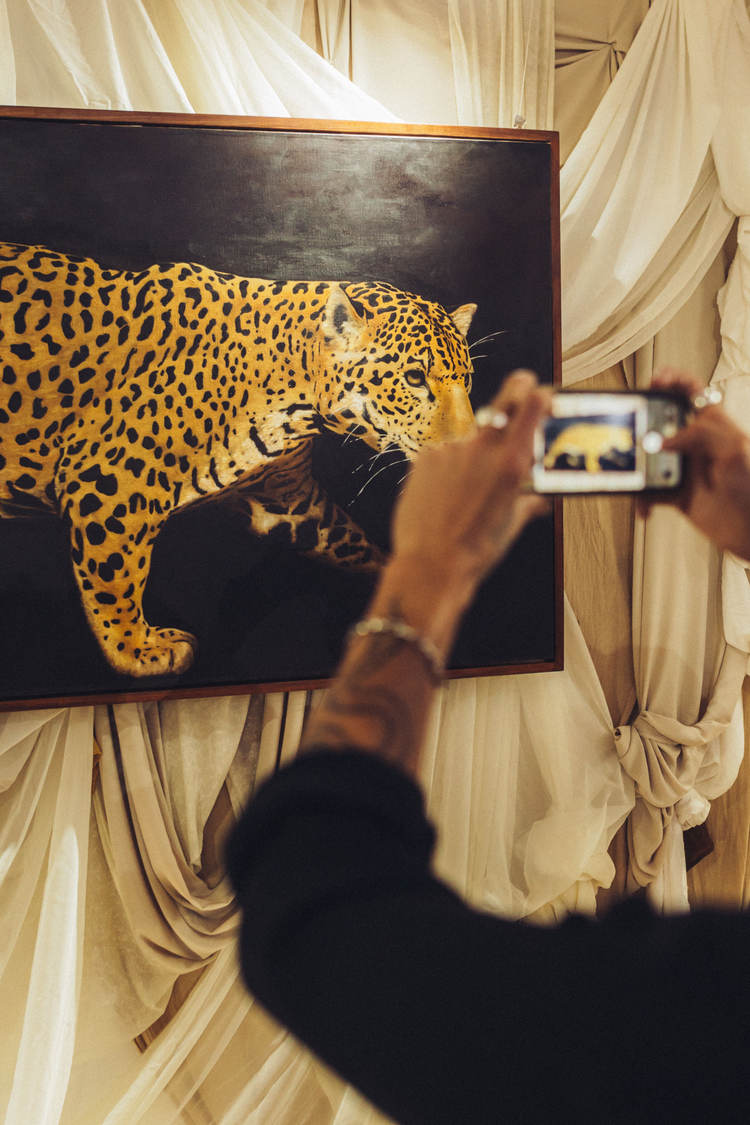
Encierros presentó el resultado de 14 meses de trabajo entre Trujillo y Odin, un jaguar joven que vive en cautiverio en Xalapa, Veracruz. La exposición exhibió 22 retratos ejecutados en óleo, xilografía, carboncillo, acuarela, fotografía y grabado.
Trujillo utilizó la relación entre artista y animal para examinar el confinamiento, la coexistencia y la identidad. El jaguar carga con un peso simbólico significativo en la cultura mexicana, y el proyecto presionó contra ese simbolismo al tratar a Odin como un individuo en lugar de un ícono.
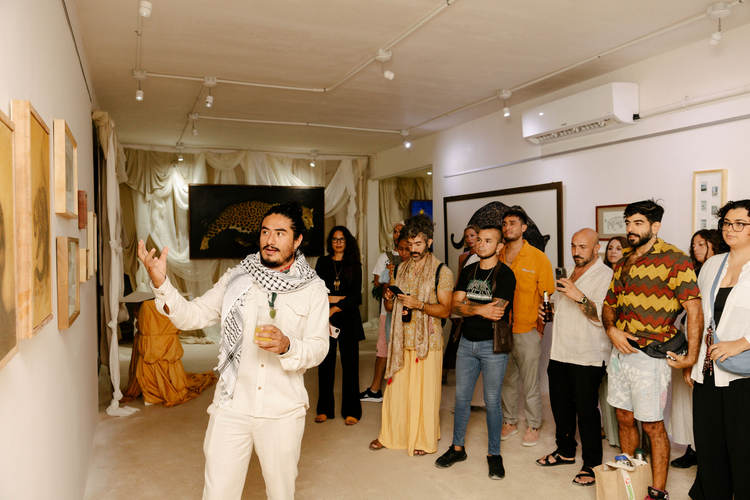
Una audiencia inusualmente amplia para una inauguración en Tulum
La recepción de inauguración y las semanas que siguieron reunieron a residentes, expatriados, empresarios, turistas, representantes del gobierno y coleccionistas de México y el extranjero. El primer regidor de Tulum y el Secretario de Turismo asistieron, una presencia institucional que los organizadores locales describen como todavía rara para iniciativas culturales independientes en la región.
La mezcla refleja un cambio. Las galerías independientes en Tulum históricamente han tenido dificultades para atraer tanto a figuras cívicas locales como a coleccionistas serios al mismo evento. Encierros llevó a ambos a la misma sala.

Una producción colaborativa entre disciplinas
Uno de los aspectos más discutidos de la exposición fue la amplitud de la colaboración artística detrás de ella. La dirección curatorial corrió a cargo de Lessly Cueva y Maite Álvarez. El texto de la galería fue escrito por el pintor mexicano Edgar Cano. El músico jarocho Luis Felipe Luna compuso la música. El taller de Sebastián Fund contribuyó a la producción, y el cineasta César Vázquez produjo un documental, también con música de Luna Farías.

Los visitantes repetidamente señalaron la rareza de ver tantas disciplinas y nombres establecidos reunidos alrededor de una sola exposición en Tulum.
Lo que permanece en Tulum
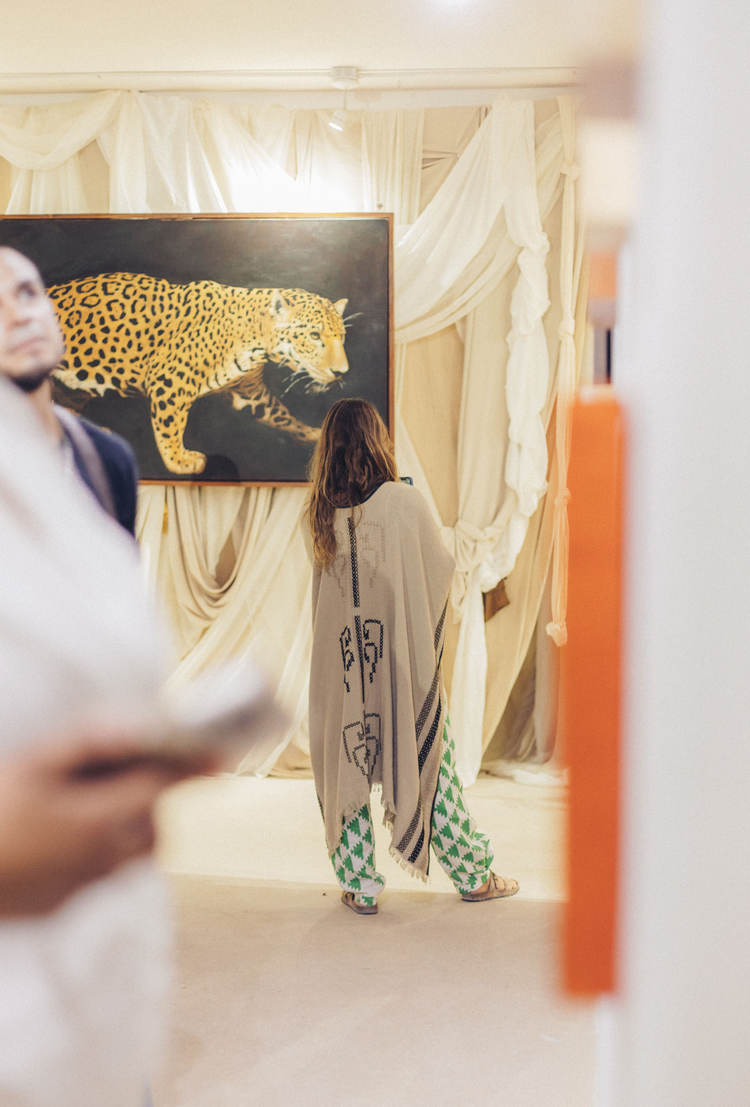
Aunque la exposición oficial ha terminado, tres obras a gran escala permanecen disponibles y se quedarán en Tulum por varios meses más. Incluyen un retrato al óleo de tamaño natural de Odin y una xilografía monumental.
La pintura al óleo viajará posteriormente a la Ciudad de México para una exposición. La xilografía se convertirá en parte de una presentación en el Museo de la Costa Oriental en Tulum, manteniendo una pieza de Encierros en diálogo con la escena museística local después de que cierre la muestra de galería.
El próximo capítulo del artista
Trujillo fue aceptado en la Barcelona Academy of Art en España después de un extenso proceso de selección. Comenzará un programa académico de tres años en octubre de 2026, dividiendo su tiempo entre México y Barcelona durante ese período.
Su próximo cuerpo de trabajo se enfoca en retratística figurativa femenina y se espera que debute en febrero de 2027. El cambio respecto a la serie del jaguar marca un giro claro, aunque la preocupación subyacente por la identidad y la imagen construida del retratado parece probable que continúe.
Lo que Encierros dice sobre el arte contemporáneo de Tulum
Durante años, la reputación cultural de Tulum ha descansado en gran medida en su industria hotelera, su mercado de bienestar y la identidad visual de su estética de beach club. Encierros ofreció evidencia de que la ciudad también puede albergar el tipo de arte contemporáneo intelectualmente fundamentado y técnicamente exigente que viaja a colecciones permanentes en el extranjero.
La pregunta abierta es si esto se convierte en un patrón o permanece como una excepción. Artery by Bacab y la red de espacios independientes a su alrededor determinarán mucho de esa respuesta en los meses venideros.
¿Crees que la escena de arte contemporáneo de Tulum puede mantener este impulso más allá de una sola exposición histórica. Únete a la conversación y comparte tu perspectiva con nosotros en Instagram y Facebook en @thetulumtimes.

The Tulum Times · Newsletter
La nota sigue en tu correo.
Lo esencial de Tulum y contexto local, un par de veces por semana. Gratis.
Sin spam. Cancelá cuando quieras.
Tulum Restaurants, Beach Clubs, and Nightlife Guide
Food, dining, beach clubs, and nightlife coverage for visitors looking for practical choices, current openings, and the mood of Tulum after dark.

“The best journalists reporting from paradise, highlighting the heroes that keep Tulum the most beautiful place in the world! THANK YOU!”