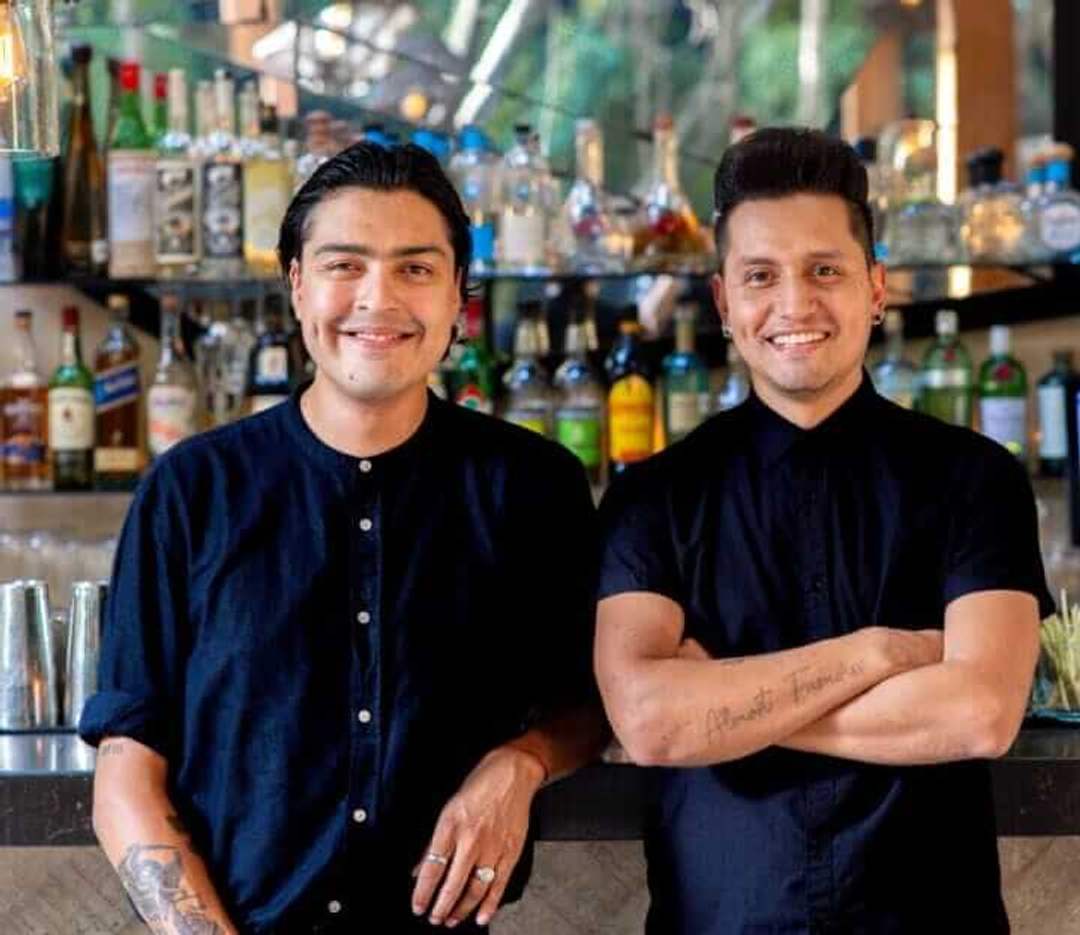

El presidente municipal de Tulum, Diego Castañón, compareció en televisión nacional en octubre de 2025 para desmentir rumores sobre la privatización de las playas del destino, defendiendo un acuerdo que abrió 25 puntos de acceso gratuito en propiedades de hoteles privados.
La entrevista sigue siendo el relato público más completo sobre cómo Tulum perdió el acceso cotidiano a su litoral y qué negoció de vuelta el gobierno municipal. Para los residentes y para los visitantes que planean un viaje, las reglas que describió Castañón, dónde entrar, a qué hora y bajo qué condiciones, son la respuesta práctica a si la playa sigue siendo accesible sin una reservación de hotel.
Las playas, insistió, pertenecen al público. La pelea es sobre cómo llegar a ellas.
La campaña de rumores que llevó al presidente de Tulum a la televisión nacional
Las preguntas que enfrentó fueron directas. La palabra se había extendido a través de redes sociales y chats de grupos familiares, le dijo el entrevistador, de que las calles de Tulum estaban vacías, de que los restaurantes no tenían comensales, de que los precios habían alejado a los visitantes y de que las playas ahora pertenecían a manos privadas.

Castañón respondió primero con el calendario. La alta temporada en Tulum va de noviembre a junio, dijo, y el período de agosto a principios de noviembre siempre ha traído la ocupación más baja. Lo que hizo más duro 2025, argumentó, fueron dos golpes adicionales: arribos de sargazo que calificó como los peores que Quintana Roo jamás había registrado, y lo que describió como una guerra sucia de campañas negativas coordinadas contra el destino. No dijo quién creía que estaba detrás de ellas.
El mercado mostró la presión de cualquier forma. Los hoteleros habían estado ofreciendo incentivos de 40, 50 y hasta 60 por ciento de descuento por un período extendido, reconoció el presidente municipal, presentando los descuentos como un esfuerzo para mantener el destino en movimiento. Proyectó una ocupación de 75 a 80 por ciento a partir de noviembre, aumentando a 95 por ciento en diciembre, impulsada por eventos culturales y gastronómicos y festivales internacionales de música electrónica.
Cómo el Parque del Jaguar encerró la playa pública del pueblo
Los rumores de privatización se remontan a una pérdida real. Cuando el gobierno federal creó el Parque del Jaguar, el área natural protegida que rodea la zona arqueológica, absorbió lo que Castañón llamó prácticamente la única playa pública que Tulum tenía. La administración pasó a Grupo Mundo Maya, la empresa estatal bajo gestión militar que también opera hoteles vinculados al proyecto del Tren Maya, y las puertas se cerraron.
Siguieron meses de negociación, con la oficina de la gobernadora Mara Lezama en la mesa. El resultado fue entrada gratuita para residentes locales en el acceso sur del parque, sujeto a las reglas que rigen las áreas protegidas.
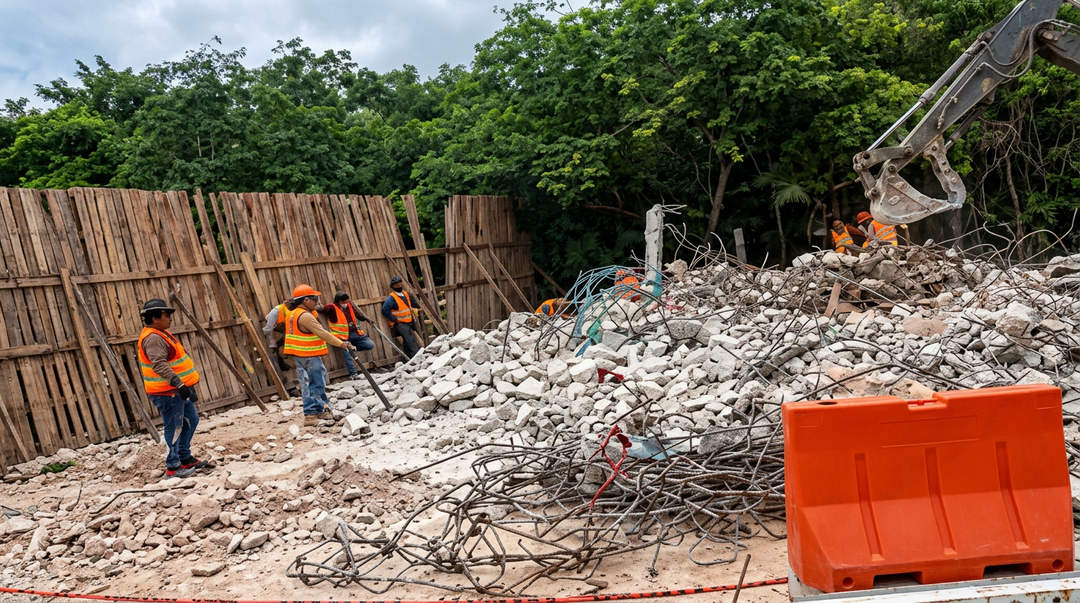
El acceso norte es otra historia. Esa entrada conduce a las plazas de artesanía, donde aproximadamente 500 familias venden su trabajo, el lugar que Castañón llamó el pulmón del turismo de Tulum. Fue cerrado, y su reapertura seguía en negociación en el momento de la entrevista. El presidente municipal describió esa puerta como uno de los puntos de entrada más valiosos que el destino jamás ha tenido.
Qué significa Acceso Libre para el acceso a las playas de Tulum
A lo largo de la franja de hoteles costeros, el obstáculo nunca fue la propiedad de la arena. Bajo la ley mexicana, la franja junto al mar es territorio federal, parte de la zona marítimo terrestre, y ninguna parte privada puede poseerla. El problema es la tierra detrás de ella: 8.5 kilómetros de frente de playa accesibles principalmente al cruzar terrenos privados.
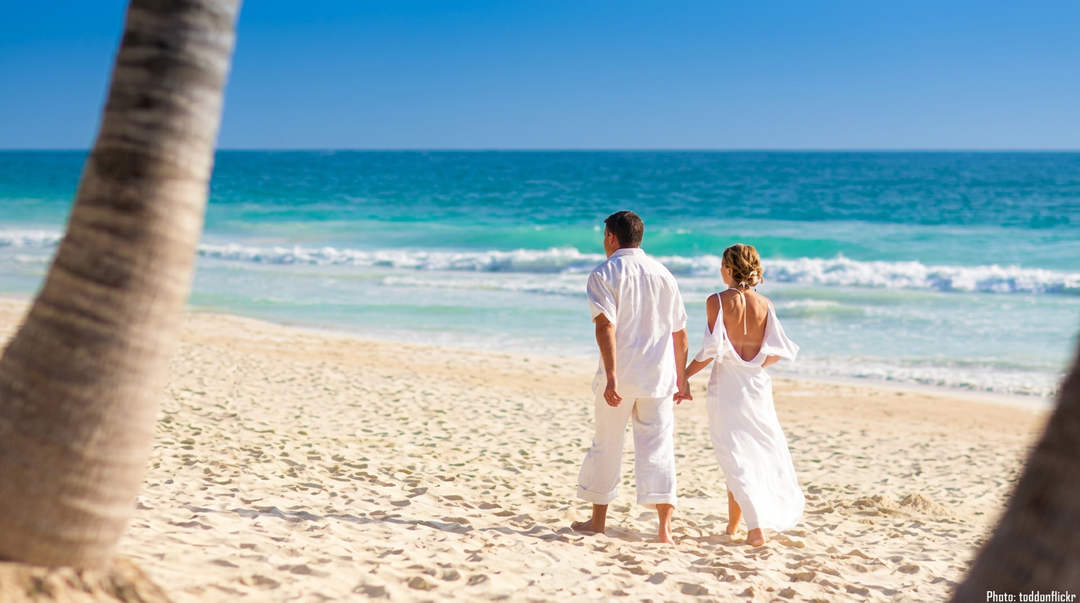
La respuesta municipal fue Acceso Libre, un conjunto de acuerdos bajo los cuales 25 hoteles y clubes de playa permiten que el público camine a través de su propiedad hasta la orilla del mar entre las 9 de la mañana y las 5 de la tarde, sin requisito de consumo mínimo. Se pide a los visitantes que respeten las reglas de la zona marítimo terrestre federal y que dejen la playa limpia, una condición que el presidente municipal vinculó directamente con la imagen del destino.
Según su relato, no se han presentado quejas por denegación de entrada, y más propiedades se estaban uniendo. Si un punto de acceso cierra por un evento privado, dijo, dos docenas de otros permanecen abiertos.
Dudas en la prensa y refuerzo desde el estado
El programa no fue recibido como una solución establecida. Medios nacionales incluyendo El Financiero y Proceso cuestionaron el horario y las condiciones adjuntas a las entradas días después del lanzamiento, preguntando qué tan libre puede ser un acceso cuando funciona según los términos de un hotel y un reloj fijo.
El gobierno estatal se movió para reforzarlo. A mediados de noviembre de 2025, la gobernadora Mara Lezama y la secretaria federal de Turismo Josefina Rodríguez anunciaron acceso libre y abierto a las playas públicas de Tulum, presentado junto a un paquete reportado por El Universal como 128 acciones orientadas a revertir la caída del turismo.
Castañón cerró la entrevista pidiendo a los escépticos que juzgaran por sí mismos. No resuelvan la pregunta en un chat de grupo, dijo en efecto. Vayan a Tulum y vean.
Dos indicadores que estableció permanecen como los que hay que observar: la ocupación de diciembre de hasta 95 por ciento que proyectó, y la reapertura de la puerta norte del Parque del Jaguar, donde 500 familias artesanas aún esperan el flujo de visitantes que alguna vez las sostuvo.
¿Ya probaste uno de los 25 accesos gratuitos a las playas de la zona hotelera de Tulum? Únete a la conversación y comparte tu perspectiva con nosotros en Instagram y Facebook en @thetulumtimes .
This image was generated or enhanced using artificial intelligence to improve its quality.

The Tulum Times · Newsletter
La nota sigue en tu correo.
Lo esencial de Tulum y contexto local, un par de veces por semana. Gratis.
Sin spam. Cancelá cuando quieras.
Beach Access, Public Shoreline, and Coastal Rules in Tulum
Coverage of public beach access, coastal restrictions, closures, and the balance between tourism and public space.

“The best journalists reporting from paradise, highlighting the heroes that keep Tulum the most beautiful place in the world! THANK YOU!”