

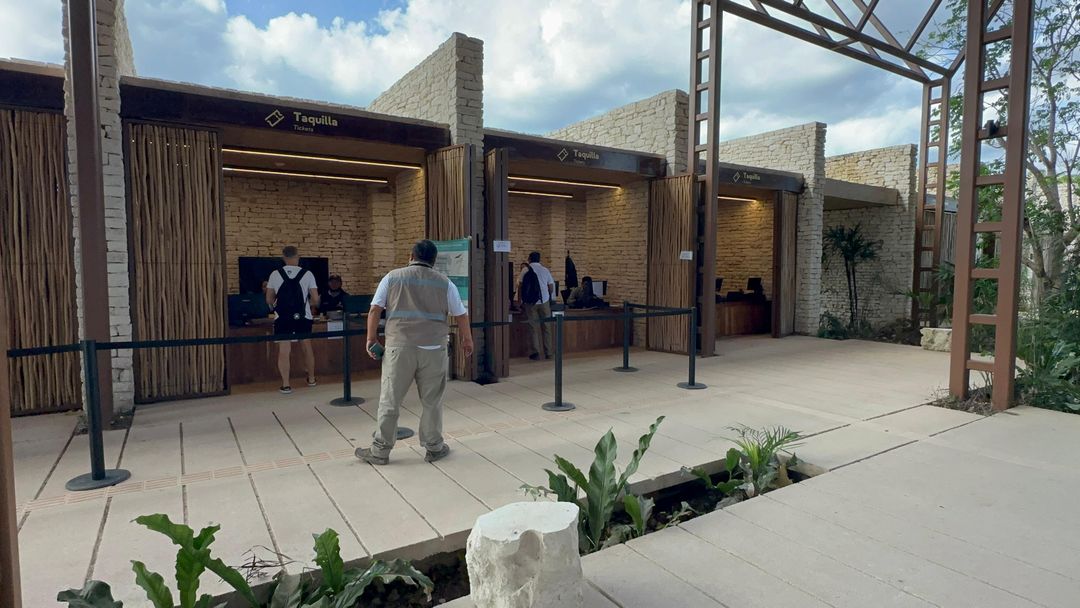
Coparmex Riviera Maya está pidiendo al gobierno federal que separe el Parque del Jaguar de la Zona Arqueológica de Tulum, argumentando que la mayor tarifa de entrada combinada ha reducido el flujo de visitantes y está perjudicando a los comerciantes locales.
La solicitud llega en un momento en que la comunidad de pequeños empresarios de la zona afirma que las ventas vinculadas a las ruinas han disminuido notablemente. La cámara de comercio sostiene que el modelo de parque integrado, que ubica la zona arqueológica dentro de un plan federal más amplio, ha elevado los costos de acceso a un nivel que ha alejado a los visitantes de una de las atracciones más importantes de Quintana Roo.
Coparmex pide remodelación del Parque del Jaguar
La petición fue hecha pública por Carlos Marín Morales, presidente de Coparmex Riviera Maya, quien describió la situación como uno de los dos problemas que más preocupan al sector privado en este momento. El otro, según indicó, es el persistente problema del sargazo que afecta a las playas de la región.
"Creemos que el Parque del Jaguar debería separarse de la Zona Arqueológica de Tulum, porque el precio subió significativamente y eso ha afectado a operadores, artesanos y negocios en general, ya que el flujo de visitantes ya no es el mismo", dijo Marín Morales.
Añadió que Coparmex presentará la solicitud a las autoridades federales pertinentes y les pedirá que analicen mecanismos capaces de restablecer el flujo turístico y reducir el daño económico que están sufriendo las empresas vinculadas al turismo en Tulum.
Cómo el aumento de los costos está afectando al comercio de Tulum
Según Marín Morales, la integración del Parque del Jaguar con la zona arqueológica produjo un aumento significativo en el precio de la entrada. Este aumento, argumenta la cámara, ha modificado la forma en que los visitantes planifican sus paradas en Tulum, con repercusiones que van mucho más allá de las ruinas mismas.
Según Coparmex, artesanos, operadores turísticos, servicios de transporte y pequeños comercios que dependen de la afluencia constante de visitantes a la zona arqueológica han registrado una disminución en sus ventas. La cámara no ha publicado cifras específicas, pero describió la tendencia como generalizada entre los negocios que dependen de este flujo de visitantes.
El argumento no es abstracto. Las ruinas de Tulum se encuentran en el centro de una economía local organizada desde hace mucho tiempo en torno al flujo de visitantes que generan, con puestos, agencias y negocios familiares que dependen de cada entrada adicional vendida. Cuando ese flujo disminuye, el impacto se siente en cuestión de días, no de temporadas.

Los compuestos de Sargassum forman la cepa
La preocupación por el Parque del Jaguar no es la única presión que señaló la cámara. La segunda es el problema del sargazo, que sigue afectando la calidad de las playas en todo el Caribe mexicano y perjudicando el desempeño turístico del destino.
En conjunto, estas dos presiones crean un entorno difícil para las empresas que ya operan con márgenes reducidos. La postura de Coparmex es que abordar cualquiera de ellas requiere un diálogo directo con las autoridades federales, dado que tanto el plan operativo del Parque del Jaguar como la respuesta general al sargazo se encuentran en gran medida fuera del control municipal o estatal.
¿Qué sucederá ahora con la petición?
La cámara de comercio ha anunciado que presentará formalmente la solicitud ante las autoridades competentes, con el objetivo de iniciar un debate sobre los mecanismos que podrían recuperar el flujo de visitantes a la zona arqueológica y aliviar la presión sobre el comercio local.
No se ha anunciado ningún calendario. El Parque del Jaguar sigue bajo gestión federal, y cualquier cambio estructural en su sistema de acceso, incluido el regreso a un sistema de entradas separadas para la zona arqueológica, requeriría la intervención federal.
Para el sector comercial de Tulum, la pregunta inmediata es si la petición produce una revisión concreta del modelo integrado o si simplemente abre una negociación más larga que se prolongue durante la temporada alta sin ofrecer ninguna solución.
¿Debería separarse el Parque del Jaguar de la Zona Arqueológica de Tulum para ayudar a los negocios locales a recuperarse? Únete a la conversación y comparte tu opinión con nosotros en Instagram y Facebook en @thetulumtimes .

The Tulum Times · Newsletter
La nota sigue en tu correo.
Lo esencial de Tulum y contexto local, un par de veces por semana. Gratis.
Sin spam. Cancelá cuando quieras.
Tulum Cenotes, Ruins, and Practical Visitor Guides
Guides, access updates, regulations, and practical planning around cenotes and the Tulum archaeological zone.

“The best journalists reporting from paradise, highlighting the heroes that keep Tulum the most beautiful place in the world! THANK YOU!”


