

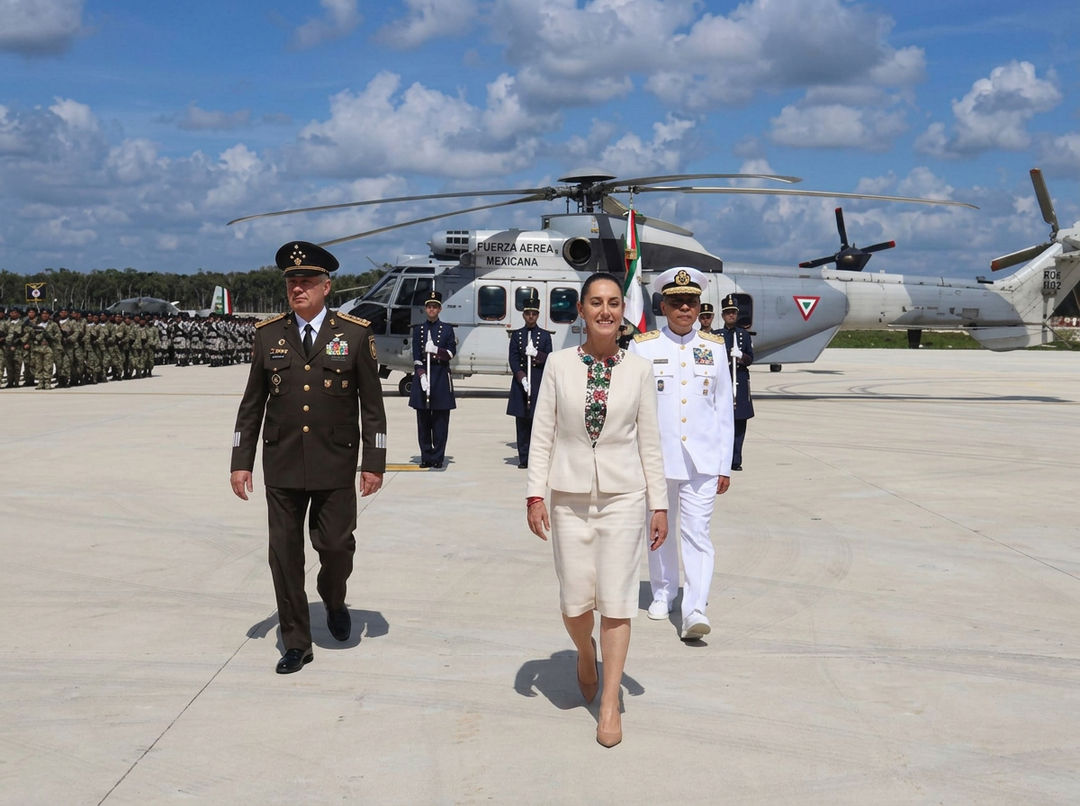
La presidenta Claudia Sheinbaum visitará Tulum el miércoles para anunciar medidas sobre acceso a playas públicas y revisar el programa federal Tulum Renace, en momentos en que el destino enfrenta una caída en turismo y actividad económica.
Para un municipio donde los operadores reportan visitantes en descenso y negocios cerrados, la visita tiene un peso inusual. Residentes y prestadores de servicios turísticos esperan que la presencia de la presidenta se traduzca en acciones concretas y no en otra ronda de promesas.
Una visita presidencial en un momento frágil
El viaje ocurre mientras varios grupos empresariales y residentes expresan preocupación por una desaceleración económica que vinculan con menos llegadas internacionales y aumento de costos en las principales atracciones de la zona. Las quejas sobre el precio de acceder a partes de la costa se han vuelto una demanda recurrente en un destino que construyó su reputación en el acceso abierto al Caribe.
Las expectativas son altas. Empresarios, prestadores de servicios y residentes en general buscan señales de que la atención federal llegará a nivel de calle, donde los cierres y la disminución de flujo de personas se sienten primero.

El crecimiento acelerado de Tulum en la última década convirtió a un pequeño pueblo costero en una marca internacional, pero esa expansión también trajo precios más altos, infraestructura rebasada y presión creciente sobre el ambiente natural que atrajo inicialmente a los visitantes. La actual desaceleración ha agudizado preguntas sobre si el modelo que alimentó el boom puede sostener el destino durante una temporada más floja.
El acceso a playas públicas en el centro del debate
Uno de los anuncios más esperados se refiere a la apertura y consolidación de puntos de acceso público a las playas de Tulum. La medida forma parte de un esfuerzo federal por garantizar que residentes y visitantes puedan llegar a la costa libremente, un principio enraizado en la protección mexicana del paso público hacia el litoral.
Según el plan, la estrategia mejoraría la infraestructura de estos puntos de acceso y reforzaría el derecho al tránsito libre hacia las playas. Para una comunidad donde cuotas de entrada y rutas bloqueadas han generado resentimiento, la promesa toca un nervio sensible.
Conforme a la ley mexicana, las playas del país son propiedad nacional, y la zona federal marítimo terrestre que corre a lo largo de la costa debe permanecer abierta al público. En la práctica, el acceso en Tulum frecuentemente ha dependido de hoteles, clubes y desarrollos privados que controlan las carreteras y entradas que conducen a la arena. Esa brecha entre el principio legal y la realidad cotidiana es parte de lo que el plan federal dice querer cerrar.

Dentro del programa Tulum Renace
Se espera también que Sheinbaum revise el progreso de Tulum Renace, descrito por el gobierno federal como una estrategia integral compuesta por 128 acciones organizadas alrededor de cuatro áreas: el ordenamiento de atracciones turísticas, desarrollo urbano y ambiental responsable, promoción turística e inversión en infraestructura pública.
Entre las acciones listadas están la regulación de cuotas, nuevos espacios públicos, mejora urbana, promoción más fuerte del destino y recuperación de áreas para uso comunitario. El programa ha sido presentado como uno de los proyectos prioritarios del gobierno federal para Tulum.
Si esas 128 acciones avanzan de papel a cambios visibles es la pregunta que muchos operadores locales dicen que estarán observando.
Qué quieren los empresarios de la visita de Sheinbaum a Tulum
Detrás de la agenda oficial existe una preocupación más inmediata. Partes de la comunidad empresarial han vinculado la actual desaceleración con restricciones al acceso y el costo de algunos espacios turísticos, argumentando que un destino percibido como caro y difícil de navegar pierde terreno frente a competidores a lo largo de la Riviera Maya.
Para ellos, la visita de Sheinbaum a Tulum es una prueba de si los compromisos federales pueden aliviar la presión sobre una economía local que depende mucho del flujo constante de visitantes.
Agenda aún pendiente
Hasta ahora, el calendario oficial completo del recorrido presidencial no ha sido divulgado. Se espera que el gobierno confirme la agenda completa en las próximas horas, junto con los funcionarios federales, estatales y municipales que acompañarán a Sheinbaum durante su tiempo en Tulum.
Mientras tanto, los anuncios siguen siendo expectativas en lugar de compromisos. Lo que Tulum sepa el miércoles, y lo que siga en las semanas posteriores, mostrará si esta visita marca un punto de inflexión o se suma a una larga lista de planes aún esperando tomar forma.
¿Debería ser gratuito el acceso a las playas de Tulum para residentes y visitantes, o hay casos en que las cuotas de entrada están justificadas? Únete a la conversación y comparte tu perspectiva con nosotros en Instagram y Facebook en @thetulumtimes.
This image was generated or enhanced using artificial intelligence to improve its quality.

The Tulum Times · Newsletter
La nota sigue en tu correo.
Lo esencial de Tulum y contexto local, un par de veces por semana. Gratis.
Sin spam. Cancelá cuando quieras.
Beach Access, Public Shoreline, and Coastal Rules in Tulum
Coverage of public beach access, coastal restrictions, closures, and the balance between tourism and public space.

“The best journalists reporting from paradise, highlighting the heroes that keep Tulum the most beautiful place in the world! THANK YOU!”


