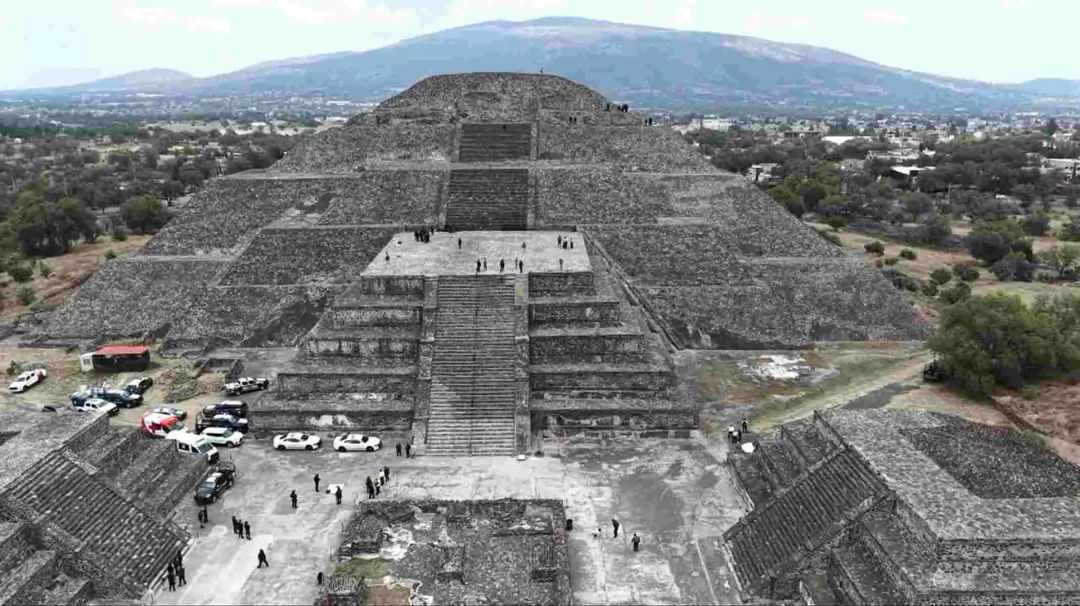
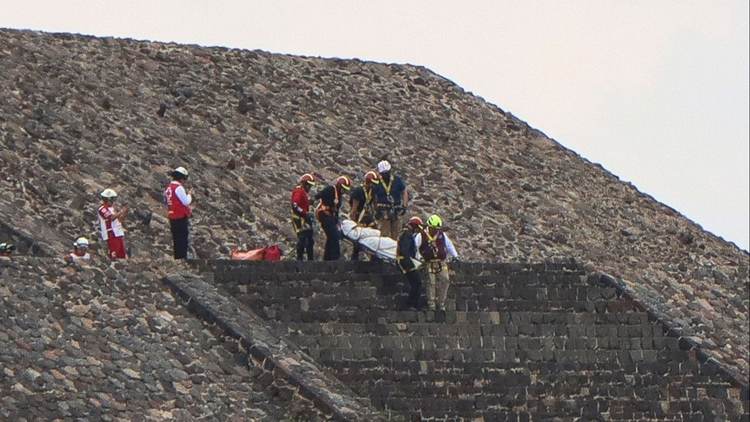
Un ataque armado premeditado desde lo alto de la Pirámide de la Luna en Teotihuacán dejó muerto a un turista canadiense y 13 personas heridas el 20 de abril de 2026. El incidente, ejecutado por un tirador que posteriormente se quitó la vida, expuso fallas severas de seguridad en uno de los sitios de patrimonio más vigilados de México y generó un escenario de pánico generalizado entre visitantes internacionales.
El episodio dejó de ser un simple incidente policial y rápidamente escaló a una crisis diplomática. El Gobierno de Canadá, encabezado por el Primer Ministro Mark Carney, elevó su nivel de alerta tras la confirmación de la ministra de Asuntos Exteriores Anita Anand respecto a la muerte del ciudadano canadiense y las lesiones sufridas por un segundo compatriota. Esta intervención subraya la gravedad de que un destino primario para el turismo extranjero se convirtiera en escena de un ataque con víctimas internacionales.

Reconstrucción del incidente y perfil del tirador
La investigación oficial, encabezada por la Fiscalía del Estado de México, sostiene que el ataque no fue un impulso repentino, sino una acción estructurada. El agresor, identificado como Julio César Jasso Ramírez de 27 años, eludió los anillos de seguridad del sitio arqueológico e ingresó armado con un revólver calibre .38 y un arma blanca. Desde la Pirámide de la Luna disparó contra la multitud reunida en la plaza antes de que una herida autoinfligida terminara con su vida.

Entre los 13 heridos reportados hay ciudadanos de Estados Unidos, Colombia, Brasil, Rusia y un segundo turista canadiense. Este número refleja tanto el impacto directo de los proyectiles como las lesiones derivadas de caídas y desbandadas durante el intento masivo de evacuación. El descubrimiento de materiales vinculados a masacres históricas entre las pertenencias previas del tirador reforzó la hipótesis de un ataque imitador indiscriminado. Las autoridades actualmente descartan un móvil racial exclusivo contra ciudadanos canadienses, aunque la víctima fatal pertenece a esa nacionalidad.

Implicaciones de seguridad para el turismo de patrimonio
La evidencia comprobada de que un individuo pudo contrabandear armas a Teotihuacán cuestiona la integridad de los protocolos de revisión actuales. Después del tiroteo, el complejo fue evacuado y cerrado temporalmente al público. El anuncio gubernamental respecto a su reapertura incluye un refuerzo sustancial que contempla una mayor presencia de fuerzas del orden y procedimientos de inspección estrictos en todos los accesos principales.
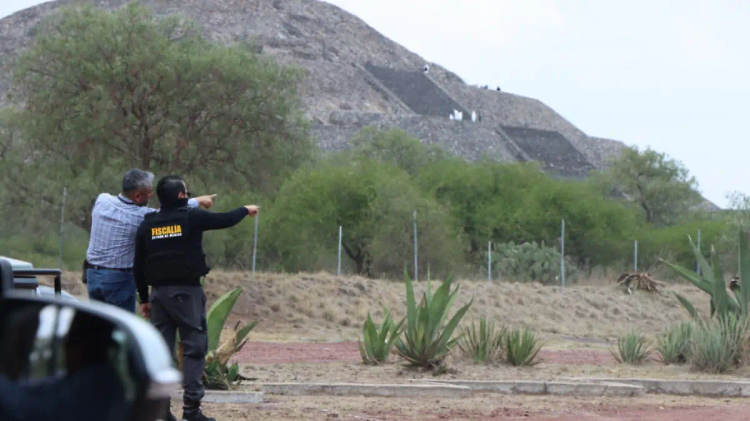
El asesinato del turista canadiense impone presión estructural a la administración federal mexicana para garantizar la invulnerabilidad de sus principales atractivos culturales. Mientras el trabajo consular se enfoca en la repatriación y apoyo a las familias afectadas, las investigaciones internas deben aclarar inmediatamente cómo se orquestó la brecha de seguridad en esta plaza icónica, con el objetivo de prevenir daño permanente a la percepción de seguridad entre turistas extranjeros en México.
Impacto inmediato en la economía turística y el prestigio nacional
Teotihuacán no es meramente un activo arqueológico; es el motor económico primario para miles de familias en la región y un símbolo de identidad nacional en escala global. El cierre temporal del complejo, sumado a la emisión previsible de alertas de viaje por autoridades consulares extranjeras, amenaza con paralizar una cadena de valor que abarca desde operadores turísticos y agencias de transporte hasta el comercio local.
La administración federal ahora enfrenta el desafío no solo de investigar el ataque mismo sino también de reconstruir la confianza de la comunidad turística internacional. Históricamente, las zonas arqueológicas en México han mantenido un estatus percibido como santuarios protegidos de la violencia armada, lo que significa que este evento representa una ruptura sin precedentes en la narrativa de la protección del patrimonio del país. Restablecer el flujo regular de visitantes requerirá protocolos modernos que superen la simple vigilancia perimetral, demandando un replanteamiento estructural definitivo de cómo México resguarda sus monumentos de más alto nivel.

Sigue The Tulum Times para cobertura continua de los impactos sistémicos del evento. ¿Cuál es tu opinión sobre este incidente? Únete a la conversación en los comentarios.

The Tulum Times · Newsletter
La nota sigue en tu correo.
Lo esencial de Tulum y contexto local, un par de veces por semana. Gratis.
Sin spam. Cancelá cuando quieras.

“The best journalists reporting from paradise, highlighting the heroes that keep Tulum the most beautiful place in the world! THANK YOU!”