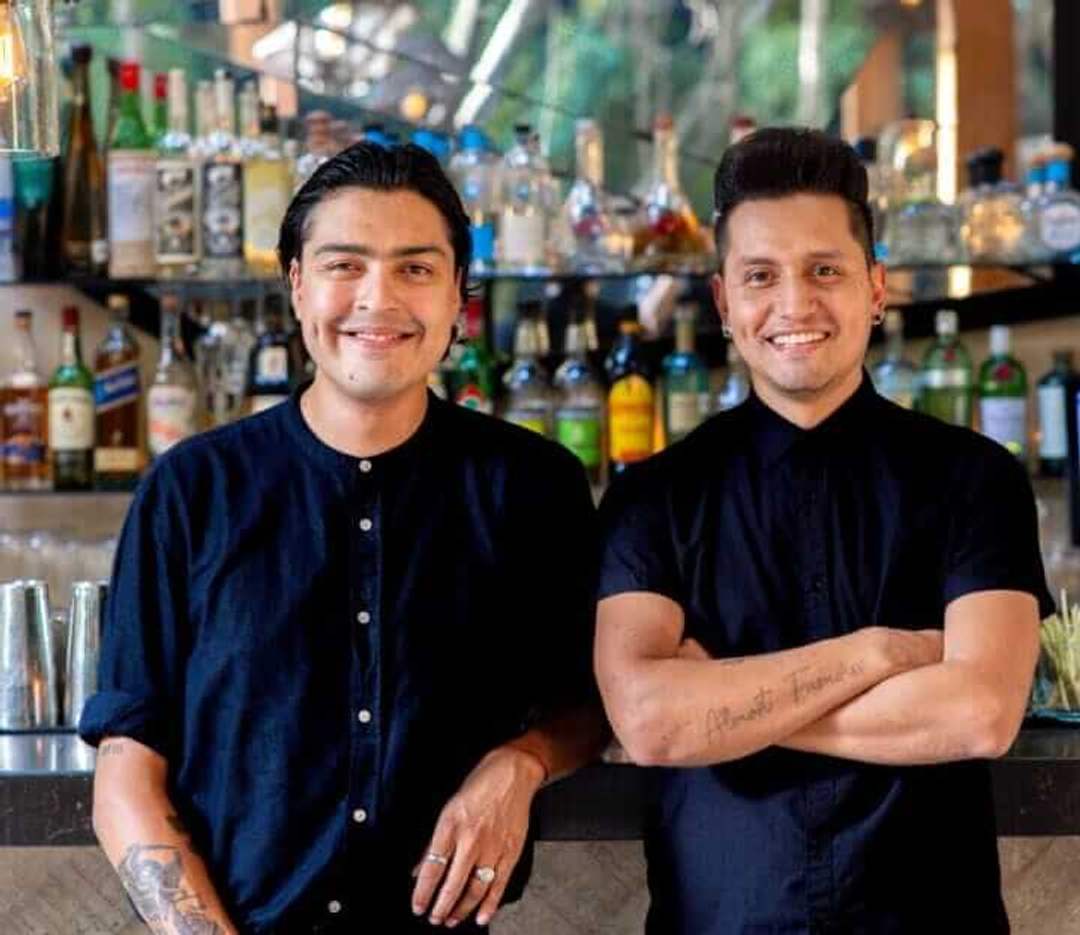

Hubo un tiempo, no hace mucho, en que la noche en Tulum todavía pertenecía principalmente al cielo.
Podías moverte por un camino de tierra en bicicleta o motocicleta con la selva a ambos lados, el mar en algún lugar cercano, y las estrellas visibles arriba sin esfuerzo. El camino no siempre era cómodo. El pueblo no siempre estaba organizado. Nada de esa versión de Tulum era perfecto. Pero había una franqueza en ello, una forma de moverse por el lugar sin sentir que cada experiencia ya había sido estructurada, cotizada, controlada o explicada.
Para quienes han vivido aquí cinco años o más, ese recuerdo no es lejano. Es reciente como para sentirse real. También es lejano como para parecer casi imposible cuando se compara con el Tulum que ahora vemos alrededor.
Hoy, el mismo destino que alguna vez fue conocido en todo el mundo por retiros de bienestar, sanación de sonido, ceremonias ancestrales, yoga, arte, trabajo emocional, y una relación particular con la naturaleza, es también un pueblo de vuelos internacionales, supermercados, centros comerciales, expansión inmobiliaria, acceso a playas controlado, eventos a gran escala, espectáculos aéreos, e incluso NASCAR en el aeropuerto.

El contraste puede ser difícil de procesar.
Tulum no simplemente creció. Cambió de escala, velocidad y significado.
Este es el centro de este editorial. El asunto no es que Tulum esté cambiando. Todos los lugares cambian. El asunto es que la identidad de Tulum está cambiando más rápido de lo que muchas personas que viven aquí pueden comprender plenamente.
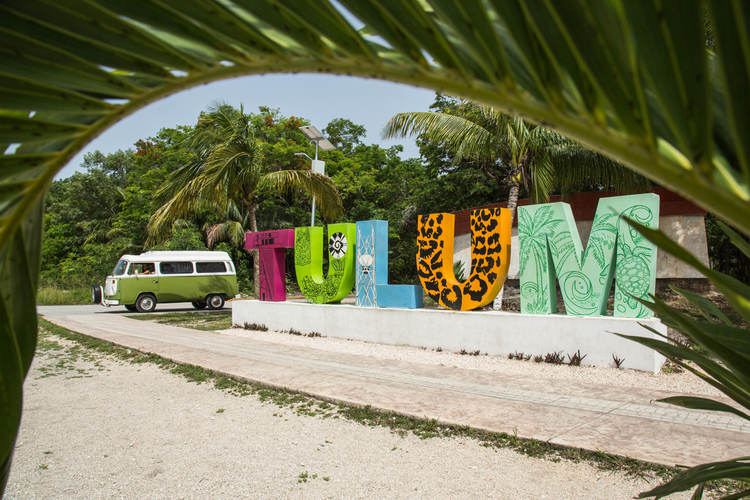
El Tulum que la gente vino a sentir
Durante años, Tulum ocupó un lugar raro en la imaginación global. No era solo otro destino de playa en el Caribe mexicano. Era un lugar asociado con una búsqueda.
La gente venía por el mar, pero también por algo menos visible. Venían por yoga al amanecer, ceremonias en la selva, respiración consciente, baños de sonido, círculos de cacao, reuniones de arte, música en la arena, y conversaciones sobre sanación, propósito, duelo, amor, libertad y cambio personal.
Algunos llegaban después de momentos difíciles en la vida. Algunos venían entre capítulos. Algunos venían porque el mundo afuera se sentía demasiado rápido. Otros venían sin una razón clara, solo con la sensación de que Tulum podría ofrecer algo que no podían encontrar en otro lugar.

Eso no significa que el Tulum antiguo deba ser idealizado. Nunca fue puro. Nunca estuvo libre de contradicciones. El mismo pueblo que atraía sanadores, artistas, terapeutas, maestros espirituales y buscadores también atraía exceso, turismo de estatus, dinero especulativo, vida nocturna, y visitantes buscando formas más fuertes de estimulación.
La figura de los "Tuluminati", con sombreros anchos, ropa fluida, rituales y mensajes sobre la naturaleza y la paz emocional, siempre fue una mezcla de sinceridad, actuación, identidad y caricatura. Pero incluso esa imagen decía algo importante. Tulum se había convertido en un escenario donde la gente proyectaba su deseo de vivir diferente.
No todos encontraron lo que buscaban. Algunos encontraron comunidad. Algunos encontraron ilusión. Algunos encontraron negocio. Algunos encontraron sanación. Algunos encontraron solo una identidad temporal. Aun así, el destino tenía un centro de gravedad reconocible.
La naturaleza, la espiritualidad, el bienestar, el arte, la informalidad, la belleza y la evasión no eran temas secundarios. Eran el lenguaje a través del cual se entendía Tulum.

Cuando el crecimiento se convirtió en aceleración
La transformación no sucedió en un momento limpio. No hubo un solo día en que el Tulum antiguo terminara y el nuevo comenzara.
En cambio, el cambio llegó por acumulación.
Más construcción. Más tráfico. Más desarrollos. Más inversionistas. Más restaurantes. Más señales. Más puertas. Más reglas. Más puntos de acceso. Más cuotas. Más expectativas. Más gente llegando con ideas diferentes de lo que Tulum debería ser.
Luego llegaron los símbolos más grandes.
El Aeropuerto Internacional de Tulum, oficialmente Aeropuerto Internacional Felipe Carrillo Puerto, comenzó operaciones el 1 de diciembre de 2023. Los vuelos internacionales siguieron en 2024, reduciendo la dependencia de Cancún como la principal puerta aérea hacia el área e haciendo que Tulum estuviera más directamente conectado a los flujos de turismo internacional.
La conectividad trae beneficios reales. Apoya el turismo, empleos, logística, servicios locales, inversión y movilidad. Un pueblo en crecimiento necesita infraestructura. Las familias necesitan supermercados, clínicas, escuelas, caminos, entretenimiento y servicios básicos. Los trabajadores necesitan opciones. Los negocios necesitan acceso. No se puede esperar que una comunidad permanezca incómoda solo para preservar la idea de autenticidad de alguien más.
Pero cuando la accesibilidad llega más rápido que la planificación, crea presión.
Esa presión ahora es visible en la vida cotidiana. Aparece en el tráfico, en inmuebles, en construcción, en el costo de vida creciente, en la distancia entre la mercadotecnia de lujo y las necesidades urbanas básicas, y en la sensación de que Tulum está siendo constantemente redefinido por fuerzas más grandes que el pueblo mismo.
No es solo un cambio económico. Es uno social y emocional.
Los nuevos símbolos de Tulum
Cada era de un lugar tiene sus símbolos.
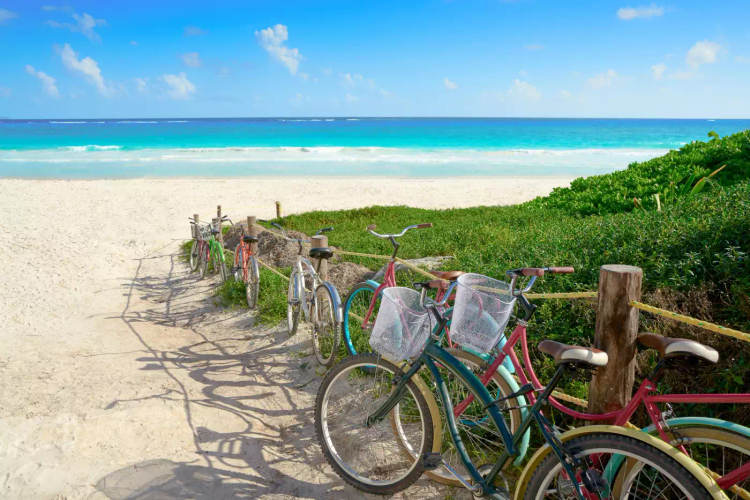
Para el Tulum que muchos recuerdan, esos símbolos eran claros: el camino de playa, la selva, la bicicleta, la palapa, la ceremonia, el viajero descalzo, el hotel parcialmente escondido por vegetación, el camino con poca luz, la sensación de entrar a algún lugar ligeramente fuera del mundo ordinario.
Los nuevos símbolos son diferentes.
Un aeropuerto. Supermercados grandes. Plazas comerciales. Acceso controlado. Torres inmobiliarias. Anuncios de infraestructura. Vuelos internacionales. Eventos a gran escala. NASCAR en el aeropuerto.
Ninguno de estos elementos es automáticamente negativo. Un cine, un supermercado, o un aeropuerto mejor conectado pueden mejorar la vida cotidiana. Muchos residentes acogen servicios que reducen la necesidad de viajar a Playa del Carmen o Cancún. La conveniencia no es enemiga de la identidad.
Pero los símbolos importan porque le dicen a una comunidad qué tipo de lugar se está convirtiendo.
Un primer cine dice que Tulum ya no es solo una evasión costera, un destino de bienestar, o un pueblo irregular formado por turismo e improvisación. Se está convirtiendo en un centro más urbanizado, con los hábitos y expectativas de una ciudad más grande.
Lo mismo aplica a la visibilidad de eventos como el Espectáculo Aéreo de Tulum y NASCAR Tulum 100 en el Aeropuerto Internacional de Tulum. Un destino que alguna vez fue imaginado a través de tapetes de yoga, rituales, caminos de selva y reuniones en la playa ahora también está siendo enmarcado a través de automovilismo y exhibiciones aéreas.
Hay algo llamativo en ese contraste.
No porque el automovilismo no deba existir. No porque los eventos grandes sean inherentemente negativos. No porque Tulum pertenezca solo a un tipo de viajero o a un tipo de residente.
Pero porque el contraste es tan marcado que obliga una pregunta que muchas personas ya se están haciendo en privado: ¿exactamente qué se está convirtiendo Tulum?
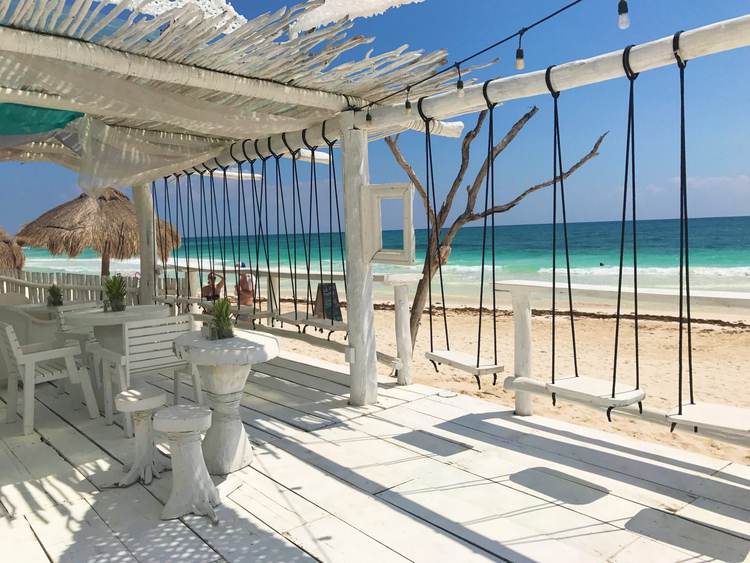
La playa como una frontera emocional
Pocos temas revelan la transformación más claramente que el acceso a la playa.
Durante años, uno de los recuerdos más fuertes de vivir en Tulum era la facilidad de llegar al mar. La playa no era solo una atracción. Era parte de la vida cotidiana. Era donde la gente caminaba, descansaba, se encontraba con amigos, veía el amanecer, se despejaba la mente, o recordaba por qué estaban aquí.
Hoy, el acceso a la playa se ha vuelto más complicado, no solo en términos legales o administrativos, sino en la experiencia vivida de residentes y visitantes.
Las playas de México son públicas por ley, y las autoridades han discutido repetidamente puntos de acceso público, incluyendo alrededor del Parque del Jaguar. Al mismo tiempo, la conversación pública ha incluido quejas sobre restricciones, cobros, entradas controladas, cuotas de estacionamiento, y confusión sobre quién está cobrando, qué se incluye, y por qué.
Para muchas personas, el problema más profundo no es solo el costo.
Es la sensación de llegar al mar a través de la negociación.
La sensación de que algo que una vez fue simple ahora requiere planificación, información, pago, identificación, permiso o paciencia.
La sensación de que la playa sigue ahí, pero la relación con ella ha cambiado.
Esto importa porque un lugar no se define solo por lo que existe físicamente. Se define por cómo la gente se mueve a través de él. Una playa que sigue siendo accesible en teoría puede seguir sintiéndose emocionalmente distante si el camino para llegar a ella se vuelve fragmentado, poco claro o sobremanejado.
Por eso el acceso a la playa se ha convertido en más que una preocupación operacional. Se ha convertido en un símbolo de pertenencia.
Cuando la gente dice que extraña el Tulum antiguo, a menudo no están pidiendo desorden o falta de infraestructura. Están recordando una forma de contacto. Una relación más directa con el mar, el camino, la noche, la arena y el cielo.
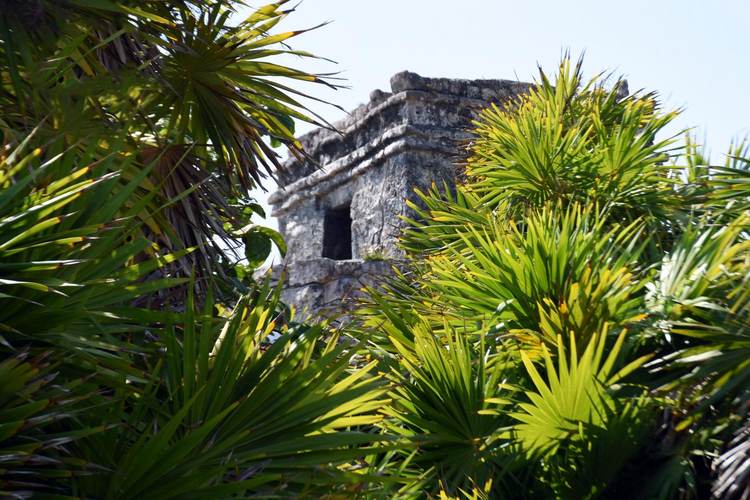
La nostalgia no es lo mismo que la negación
Sería fácil, e incorrecto, convertir esto en una simple historia de antes y después.
Antes era espiritual, ahora es comercial.
Antes era natural, ahora es artificial.
Antes era bueno, ahora está perdido.
Eso no sería honesto.
El Tulum anterior tenía problemas serios. Tenía desigualdad, infraestructura débil, presión ambiental, prácticas informales, precios crecientes, y un modelo de turismo que a menudo usaba el lenguaje de la naturaleza mientras ejercía presión sobre la naturaleza. Muchos trabajadores vivían lejos de la imagen que se vendía a los visitantes. Muchos residentes trataban con servicios pobres mientras la marca de lujo se expandía alrededor de ellos.
La memoria puede suavizar lo que fue difícil.
Aun así, la nostalgia no debe ser descartada.
La nostalgia se vuelve útil cuando ayuda a una comunidad a identificar lo que tenía valor. Se vuelve peligrosa solo cuando se rehúsa a ver la realidad.
Muchas personas que extrañan el ritmo anterior de Tulum no están pidiendo borrar el progreso. No están pidiendo quitar supermercados, cancelar infraestructura, rechazar familias, detener servicios, o prevenir que el pueblo sea más funcional. Están pidiendo si el crecimiento puede suceder sin disolver todo lo que hizo el lugar significativo.
Esa es una pregunta legítima.
Un pueblo puede necesitar mejores caminos y aun así necesitar oscuridad en la noche. Puede necesitar supermercados y aun así necesitar acceso a playa pública que se sienta claro y justo. Puede necesitar empleos y aun así necesitar límites ambientales. Puede albergar eventos y aun así preguntarse si cada nueva atracción se ajusta a la identidad del lugar.
El progreso no se vuelve más fuerte ignorando el dolor.
Se vuelve más fuerte cuando entiende lo que la gente tiene miedo de perder.
Un pueblo de muchos Tulums
Parte de la confusión actual proviene del hecho de que ya no hay un solo Tulum, si es que alguna vez lo hubo.
Está el Tulum de los folletos inmobiliarios, donde cada proyecto promete inversión, estilo de vida y retorno.
Está el Tulum de los huéspedes de hoteles, que llegan por algunos días y experimentan una versión cuidadosamente diseñada del destino.
Está el Tulum de los practicantes de bienestar, aún creando espacio para trabajo emocional, sanación, conciencia corporal y práctica espiritual.
Está el Tulum de los trabajadores, que se mueven por todo el pueblo cada día para sostener la experiencia que otros consumen.
Está el Tulum de los residentes de largo plazo, que recuerdan rutas, playas, precios, ritmos y silencios que los recién llegados nunca conocieron.
Está el Tulum de los jóvenes empresarios, que ven posibilidad.
Está el Tulum de las familias, que necesitan escuelas, clínicas, supermercados, seguridad y entretenimiento.
Está el Tulum de los inversionistas, que ven tierra, demanda y momento.
Está el Tulum de los visitantes, que pueden conocer el destino solo a través de redes sociales, hoteles, restaurantes, festivales y traslados desde el aeropuerto.
Todos estos Tulums existen a la vez.
El problema no es su coexistencia. El problema es que a menudo operan sin una conversación compartida. Ocupan el mismo lugar, pero no siempre comparten la misma memoria, las mismas expectativas, o la misma definición de valor.
Así es como un destino se vuelve fragmentado.
No porque crece, sino porque su crecimiento no está sostenido por un sentido claro de identidad.
Qué hace que un lugar siga sintiéndose como él mismo
Un lugar puede sobrevivir cambios físicos. Puede absorber edificios nuevos, caminos nuevos, negocios nuevos, y nuevas formas de turismo.
Lo que es más difícil de recuperar es la coherencia.
La coherencia es la línea que permite a un lugar evolucionar mientras sigue sintiéndose conectado consigo mismo. No requiere que todo permanezca igual. Requiere que las nuevas capas respeten la lógica más profunda del lugar.
En Tulum, esa lógica más profunda siempre estuvo ligada a la naturaleza, la lentitud, la belleza, la informalidad, la búsqueda emocional, la mezcla cultural, y una sensación de estar cerca de algo elemental.
Esa lógica era imperfecta. A menudo fue comercializada. Algunas veces fue exagerada. Pero existía.
El riesgo ahora es que Tulum se vuelva una colección de experiencias sin relación sostenidas juntas solo por un nombre.
Un destino de bienestar al lado de un circuito de carreras.
Un pueblo de playa donde llegar a la playa se siente complicado.
Una marca basada en naturaleza rodeada de expansión rápida.
Una comunidad mercadotecnizada globalmente mientras los residentes luchan por definir su lugar dentro de ella.
Un pueblo que habla sobre conciencia mientras se mueve demasiado rápido para reflexionar.
Esa tensión es lo que muchas personas sienten.
Pueden no describirla en términos de planificación urbana. Pueden no enmarcarla como un modelo de turismo. Pueden simplemente decir, "Tulum se siente diferente."
Y tienen razón.

La pregunta no es si Tulum debería cambiar
Tulum ya cambió.
La pregunta más seria es qué tipo de cambio se permitirá que lo defina.
¿Se convertirá en un lugar donde cada proyecto nuevo se justifica por la demanda?
¿Se convertirá en un destino que sigue vendiendo naturaleza mientras hace la naturaleza más difícil de acceder?
¿Se convertirá en un pueblo donde los servicios mejoran, pero la pertenencia se debilita?
¿Se convertirá en una comunidad más grande, más funcional, más conectada que aún protege las cualidades emocionales y ambientales que la hicieron diferente?
Estas no son preguntas sentimentales. Son estratégicas.
Los destinos pueden perder valor cuando pierden distinción. Si Tulum se convierte solo en otro mercado caribeño en rápido crecimiento, puede continuar atrayendo inversión, pero corre el riesgo de debilitar las cualidades que la hicieron globalmente reconocible en primer lugar.
El futuro más fuerte para Tulum no es un regreso al pasado.
Ese pasado se fue.
El futuro más fuerte sería una versión más madura de sí misma. Un Tulum que acepte infraestructura, servicios y crecimiento, pero que también defienda acceso, naturaleza, espacio público, profundidad cultural, responsabilidad ambiental, y las cualidades humanas más lentas que dieron al pueblo su fuerza original.
Eso requiere más que desarrollo.
Requiere criterio, memoria, y una conversación más clara sobre qué debería permanecer.
Qué elegimos no olvidar
Para quienes han vivido los últimos cinco años, la adaptación ya no es opcional.
El pueblo cambió, y todos los que permanecen aquí están cambiando con él. Algunos se han beneficiado. Algunos han sido desplazados. Algunos han construido negocios. Algunos los han cerrado. Algunos llegaron con entusiasmo. Algunos se fueron con tristeza. Algunos aún aman Tulum, pero ya no lo entienden de la misma manera.
Esa complejidad merece ser expresada sin cinismo.
Este editorial no es una queja contra Tulum. No es un rechazo al crecimiento. No es un ataque contra quienes están construyendo, invirtiendo, visitando, organizando, o imaginando nuevas posibilidades aquí.
Es un intento de pausar por un momento y reconocer que algo profundo sucedió en un período corto de tiempo.
Muchas personas aún están emocionalmente alcanzando.
Están intentando entender cómo un lugar puede seguir siendo amado mientras se vuelve más difícil de reconocer. Están intentando aceptar servicios nuevos sin perder significados antiguos. Están intentando recibir el crecimiento sin renunciar a la sensación de que Tulum aún debería pertenecer, de alguna manera, al mar, la selva, la noche, y la gente que la experimenta más allá de una transacción.
Tulum nunca fue perfecto. No está arruinado. No está terminado. No es una sola cosa.
Pero está en un punto donde la memoria importa.
Porque sin memoria, el crecimiento se vuelve solo movimiento. Y el movimiento sin dirección puede hacer incluso el lugar más extraordinario difícil de reconocer.
Un día, la gente mirará hacia atrás el Tulum de hoy con su propia nostalgia. Recordarán el pueblo antes de la siguiente ola de construcción, antes del siguiente proyecto de infraestructura, antes de que la siguiente versión del destino tome forma.
Así de rápido se están moviendo las cosas.
Así que quizá la pregunta no es si Tulum sigue siendo el lugar que solía ser.
No lo es.
La mejor pregunta es si la gente que lo conoce, lo ama, trabaja en él, lo visita, y depende de él está dispuesta a proteger lo que no debería desaparecer mientras se convierte en algo nuevo.
Para quienes conocieron Tulum antes de esta transformación, ¿qué creen que nunca debería perderse?

The Tulum Times · Newsletter
La nota sigue en tu correo.
Lo esencial de Tulum y contexto local, un par de veces por semana. Gratis.
Sin spam. Cancelá cuando quieras.
Transportation in Tulum: Taxi, Bus, Transfers, and Mobility
Taxi fares, buses, transfers, road changes, mobility updates, and practical transport guidance for Tulum.

“The best journalists reporting from paradise, highlighting the heroes that keep Tulum the most beautiful place in the world! THANK YOU!”