
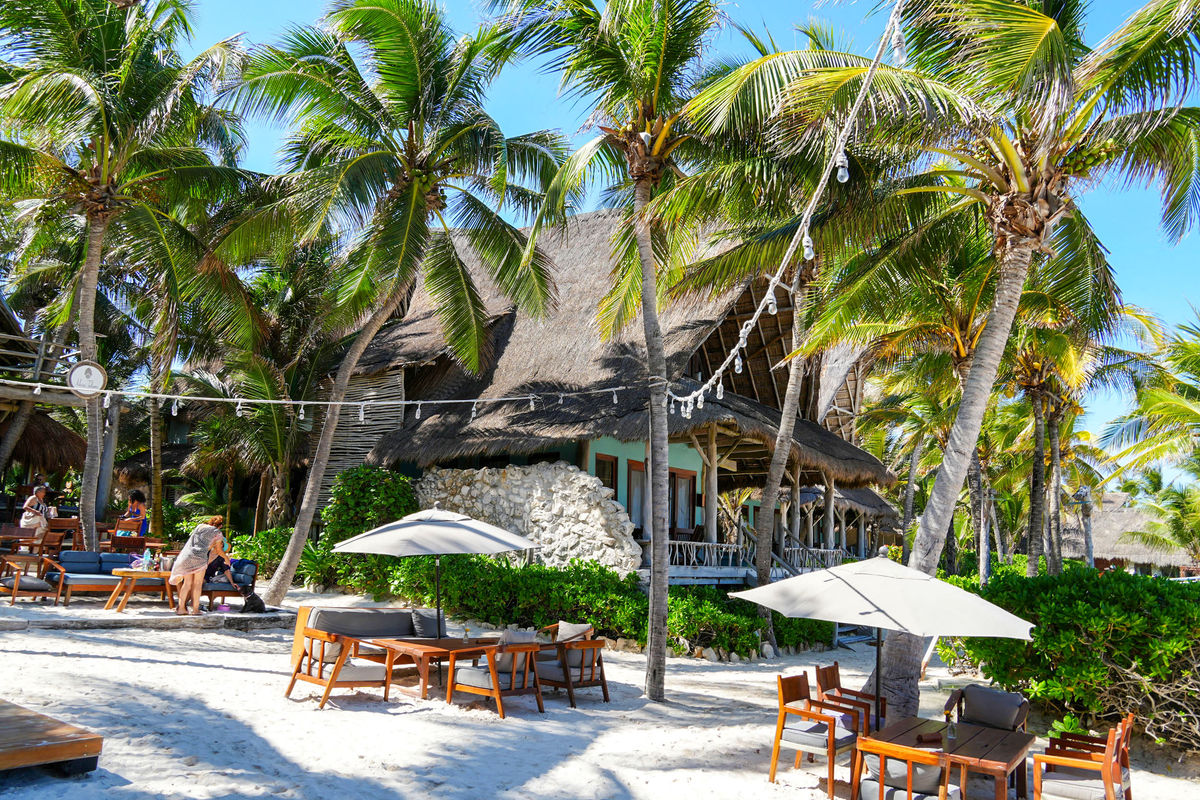
From the moment we arrived at Ahau Tulum, it was clear that the hotel was not trying to overwhelm us, but to help us exhale. Invited by the hotel to experience the property firsthand for The Tulum Times’ Featured Experiences, our editorial team was welcomed with warmth and efficiency. The staff guided us through the first details of the stay, took care of our luggage, and greeted us with a courtesy drink while our room, already prepared, waited just steps from the sea. Over the course of one night and two days, our editorial team experienced how Ahau brings together attentive hospitality, restorative calm, regional gastronomy, and a setting that makes slowing down feel natural.
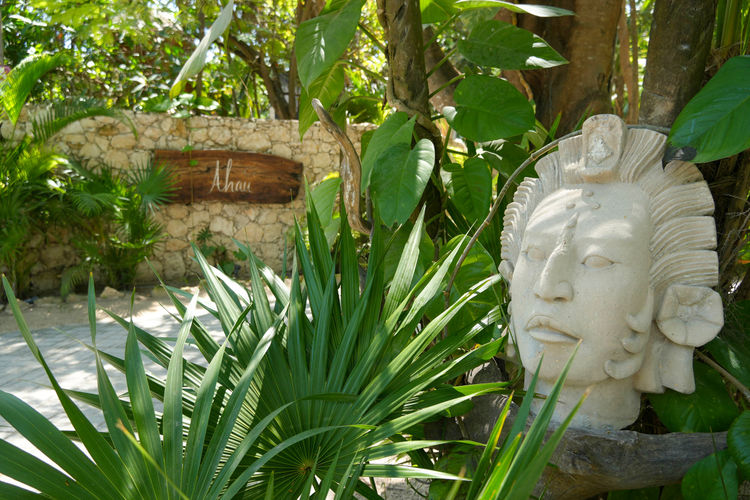
As we were accompanied through the property, Ahau began to reveal the kind of experience it is built to offer. Walking toward the room, it felt natural to remove our shoes and step directly onto the sand. Ahead, the Caribbean opened in full view. Soft music moved through the background, the atmosphere felt relaxed without feeling staged, and the transition from arrival to rest happened almost without effort.
That first impression mattered because it continued to define the stay. In Tulum’s hotel zone, where many properties compete through image, scale, or constant stimulation, Ahau appears to work through another kind of logic. Its strength is not intensity. It is rhythm. The hotel seems designed to help guests lower the pace of the day and pay closer attention to their surroundings.
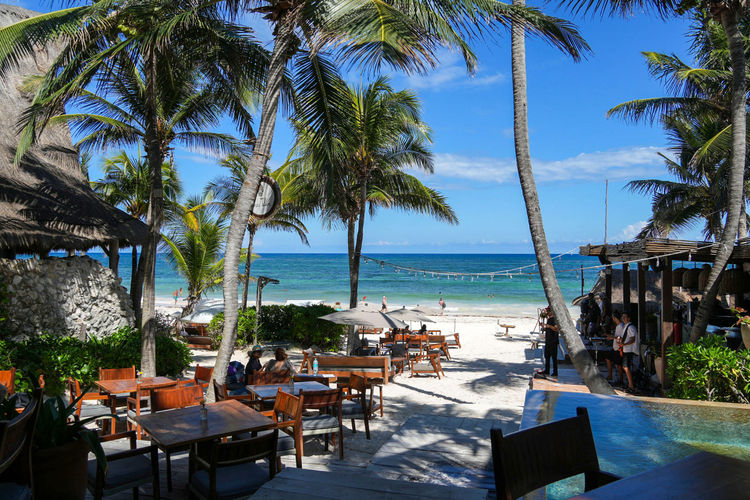
Part of Ahau Collection, which also includes Alaya Tulum, Casa Ganesh, Aldea Canzul, and Villa Pescadores, the hotel sits between the Caribbean Sea and the vegetation of the Maya jungle. The group positions itself around hospitality, wellbeing, and culture, with an emphasis on authenticity, sustainability, and respect for Tulum’s identity. At Ahau Tulum, those ideas feel most convincing when they become tangible in the stay itself: in the openness of the spaces, the pace of the service, the wellness programming, and the way the hotel allows nature to remain present rather than decorative.
A room that lets the landscape stay close
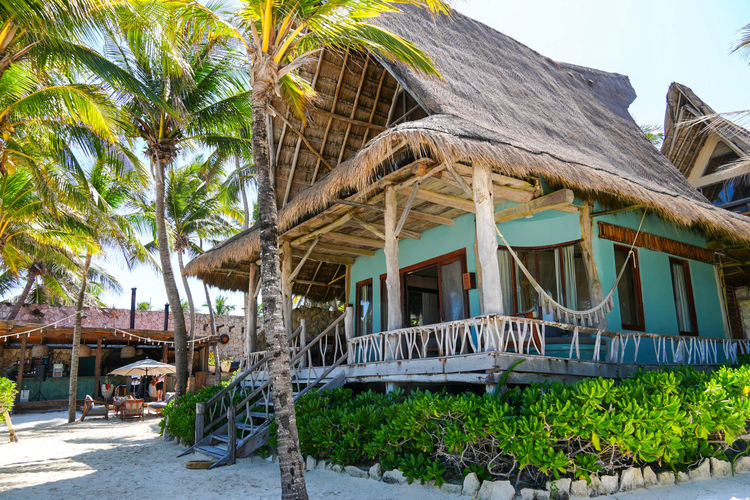
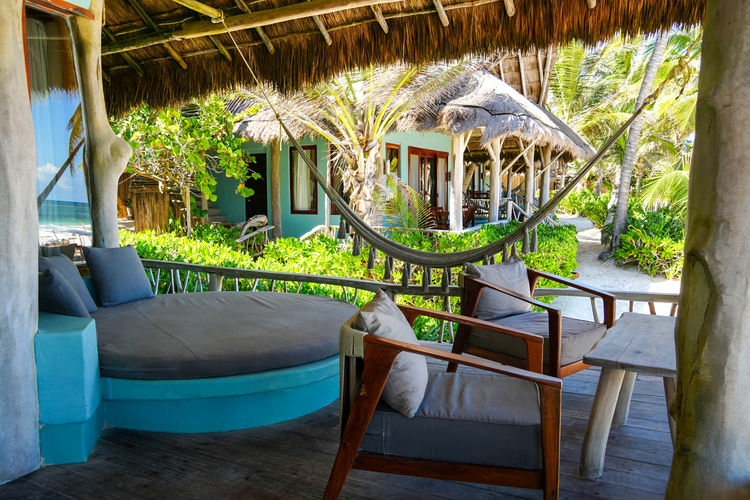
During our stay, we experienced one of Ahau’s Master Suites facing the sea, and it quickly became clear why this category is central to the hotel’s appeal. Positioned directly on the sand, the suite offered immediate access to the beach while also functioning as a private retreat in its own right. Its large terrace extended the room into the outdoors in a meaningful way, creating space not only to sit or rest, but to remain there for long stretches without needing anything else.

Inside, the suite combined a king bed, blackout curtains, air conditioning, ceiling ventilation, handcrafted wooden furniture made in Tulum, and a private bathroom with natural light. The room felt oriented toward deep rest from the first moment. The bed was notably comfortable, the proportions were generous, and the open view to the sea gave even the quietest moments indoors a strong sense of place.
That continuity between room and exterior is one of Ahau’s clearest strengths. A few steps away, our own beach lounger extended the comfort of the suite toward the shore, making it easy to move between shade, sea air, and beachfront service without interrupting the slower rhythm the room had already established.

The beach club itself supports that same feeling. One of the most useful details shared during our conversations on site was also one of the most concrete: the loungers are not placed too close together. There is more space between them than in many comparable beach settings. It may seem like a minor point, but in practice it changes the quality of rest. It reduces crowding, lowers the sense of visual noise, and gives each guest more room to settle into the day.
Hospitality expressed through detail
Throughout the stay, the work of the staff remained one of the clearest strengths of the property. Their service was attentive and constant, yet never intrusive. They were present when needed, responsive to small details, and careful in the way they accompanied the experience without interrupting it. That balance is not easy to achieve. At Ahau, it gave the stay a strong sense of ease.
The same could be said of the small gestures that shape the hotel’s daily rhythm. One of the most distinctive is something the hotel calls Malokin. “Malokin means good morning,” explained Osiris Bringas Thomas, the hotel’s manager, during our stay. At Ahau, it takes the form of a morning courtesy delivered at the guest’s chosen time before breakfast: coffee or tea, cookies, and a light snack. It is a modest gesture, but a revealing one. More than a luxury flourish, it feels like part of the hotel’s understanding of how a day should begin.
We also noted that Ahau is pet-friendly, a detail that adds another layer of openness to a setting already marked by warmth and informality. The social atmosphere contributed as well. Conversations arose easily, guests were open and friendly, and there was a visible mix of travelers from different parts of the world. The hotel felt peaceful without feeling isolated, and socially alive without becoming noisy.
Wellness as a daily practice, not an added concept
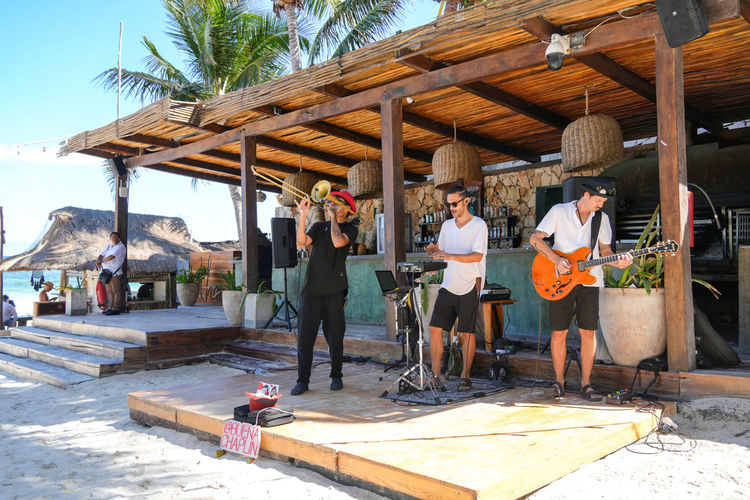
For travelers drawn to Tulum in search of peace, quiet, and a more restorative pace, Ahau’s wellness identity is one of the reasons the property feels coherent. According to Osiris, the hotel offers wellness programming every morning in both high and low season. These activities include yoga, pranayama, live music, and aerial silks. The yoga program is designed for different levels, and management also highlighted the presence of a teacher from India whose approach they consider especially rooted in tradition.

That context helps explain the kind of guest Ahau seems prepared to receive. During our conversations, Osiris spoke about how many people arrive in Tulum looking for tranquility, distance from noise, and a chance to reconnect with themselves. In her view, it is common to see guests arrive tired or tense and gradually shift through a combination of rest, yoga, and the small rituals that structure the day at the hotel. Whether understood as wellness, recovery, or simply a quieter form of travel, that intention appears built into the property’s daily rhythm.
We closed our stay by taking part in a yoga class, and by then the logic of the hotel had become easier to understand. At Ahau, wellbeing does not appear as a separate department layered onto the stay. It is expressed through timing, atmosphere, service, and the way the spaces invite the body and mind to slow down.

That restorative quality became even more evident at night and the following morning. Sleep came easily, helped by the quiet, the comfort of the room, and the immediate presence of the sea. At sunrise, one of the most memorable moments of the visit unfolded from the bed itself, as the horizon slowly filled with golden light and the room changed with it. The scene was simple, but it captured something essential about Ahau. Much of its appeal lies in its ability to create the conditions for stillness without having to announce it.
Breakfast the next morning sustained that same tone. It was an unhurried meal, enjoyed in an atmosphere of calm, with the staff once again contributing through attentive and considerate service. By then, the character of the hotel had become unmistakable.
Kapok and a clearer regional voice
Food is another important part of the stay. While Ahau’s wider culinary offer includes beachfront dining and plant-based options elsewhere on the property, Kapok is the restaurant that most clearly expresses the hotel’s current regional direction.
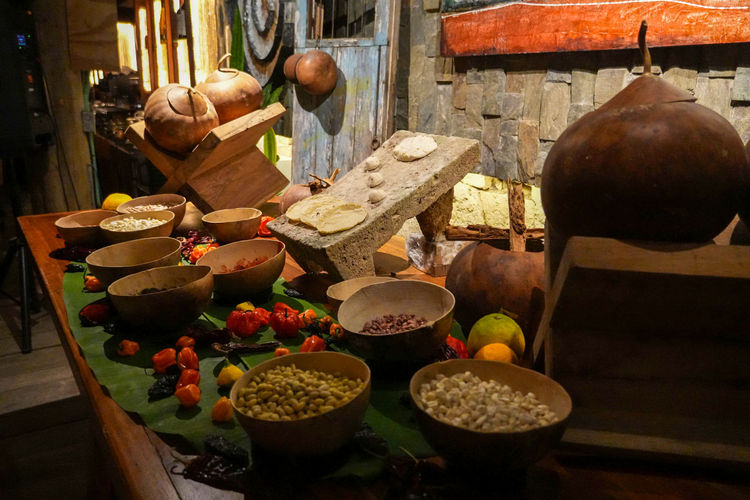
During our visit, Ahau was officially presenting Kapok’s new Yucatecan dinner menu, a proposal centered on traditional flavors from the peninsula and shaped by a clear intention to bring local cuisine back to the center of the table. In a destination where international and globally coded menus are easy to find, that shift gives the restaurant a more grounded voice.
What makes Kapok especially interesting is that its evolution appears deliberate. According to Osiris, the restaurant moved from a more general international offering toward a concept with clearer direction, first through Mexican cuisine and later through what they describe as a mestiza kitchen, one intended to reflect the layered cultural history of Mexico. The current Yucatecan dinner menu marks another step in that process, not through reinvention for effect, but through a more direct focus on traditional flavors, ingredients, and culinary memory.
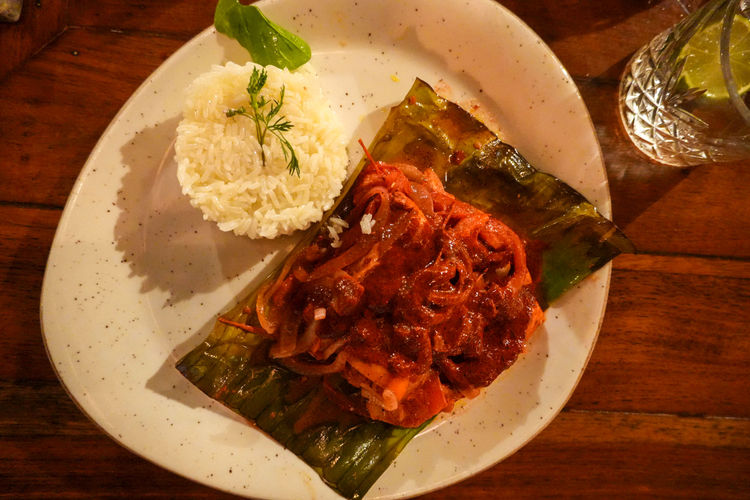
The menu itself helps make that direction visible. Dishes such as sopa de lima, fish in momo leaf, esquites in dried shrimp broth, Las Coloradas fish, and Lucina’s flan give the dinner offering a stronger regional structure and help distinguish it from a more generic hotel restaurant format.
Our dinner there supported that reading. The experience felt aligned with the wider spirit of the hotel, calm, considered, and attentive to atmosphere without losing substance. Rather than feeling separate from the rest of the stay, Kapok felt integrated into it.
Even the restaurant’s name is tied to the environment around it. Osiris explained that Kapok was inspired by the soft fiber released by the ceiba tree, a detail she once noticed on the property and later researched. That observation eventually became the basis for the restaurant’s name, giving it both a distinct identity and a direct connection to the landscape around it.
Art and identity beyond the room
Beyond hospitality, wellness, and gastronomy, Ahau also appears interested in supporting local artistic production. During our stay, the hotel was inaugurating an exhibition featuring work by Ernesto Pereznafarrate, a Cancun-based artist whose practice combines painting and sculpture made with recycled materials. Osiris explained that Ahau seeks to give space to local artists, both established and lesser known. For guests who value cultural context as part of where they stay, that intention adds another dimension to the property.
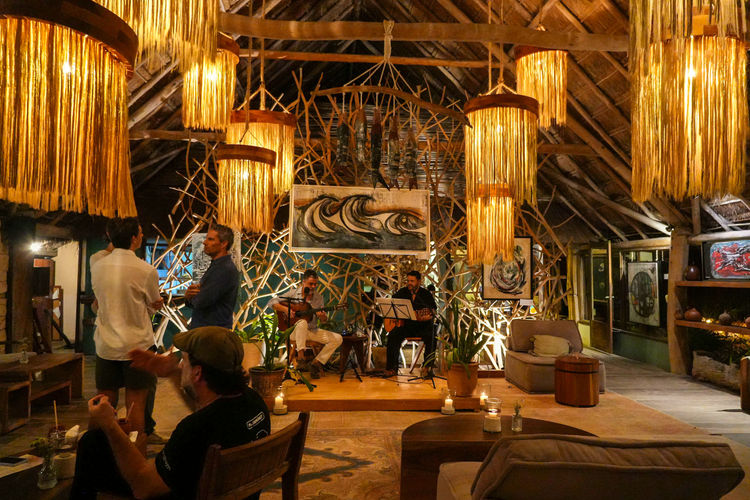
This is also where Ahau begins to feel broader than a single beachfront stay. The hotel offers calm, but not withdrawal. It offers comfort, but not detachment from place. It offers beauty, but not only in visual terms. What begins to emerge instead is a form of hospitality that tries to connect accommodation, wellbeing, gastronomy, and local identity into one coherent atmosphere.

Another element that gives Ahau Tulum a distinct sense of identity is that the hotel is home to Ven a la Luz, the monumental sculpture that has become one of Tulum’s most recognized visual landmarks. More than a widely photographed piece, its presence reinforces the relationship between the property and the cultural imagination of the destination itself. For guests staying at Ahau, this means that one of Tulum’s most emblematic works is not simply a nearby attraction, but part of the experience of being there, adding another layer of meaning to a stay already shaped by nature, atmosphere, and a strong sense of place.

An editorial recommendation
What stays with you after time at Ahau Tulum is not one isolated feature, but the consistency between many smaller parts. The warmth of the welcome, the room opening directly to the sea, the spacious beach setup, the morning ritual of Malokin, the daily wellness programming, Kapok’s regional direction, and the inclusion of local art all point toward the same intention.
For travelers planning a stay in Tulum and looking for a hotel where peace, comfort, and wellbeing are treated as lived parts of the experience rather than as decorative concepts, Ahau Tulum is well worth considering. It is especially suited to those seeking a quieter rhythm, restorative mornings, and a stay where the relationship between body, place, and time feels more balanced.
For anyone drawn to Tulum in search of rest, space, and a more grounded form of hospitality, Ahau Tulum offers an experience that is easy to feel and difficult to rush.
Instagram: @ahautulum
Book now: https://ahaucollection.com/ahau-tulum/