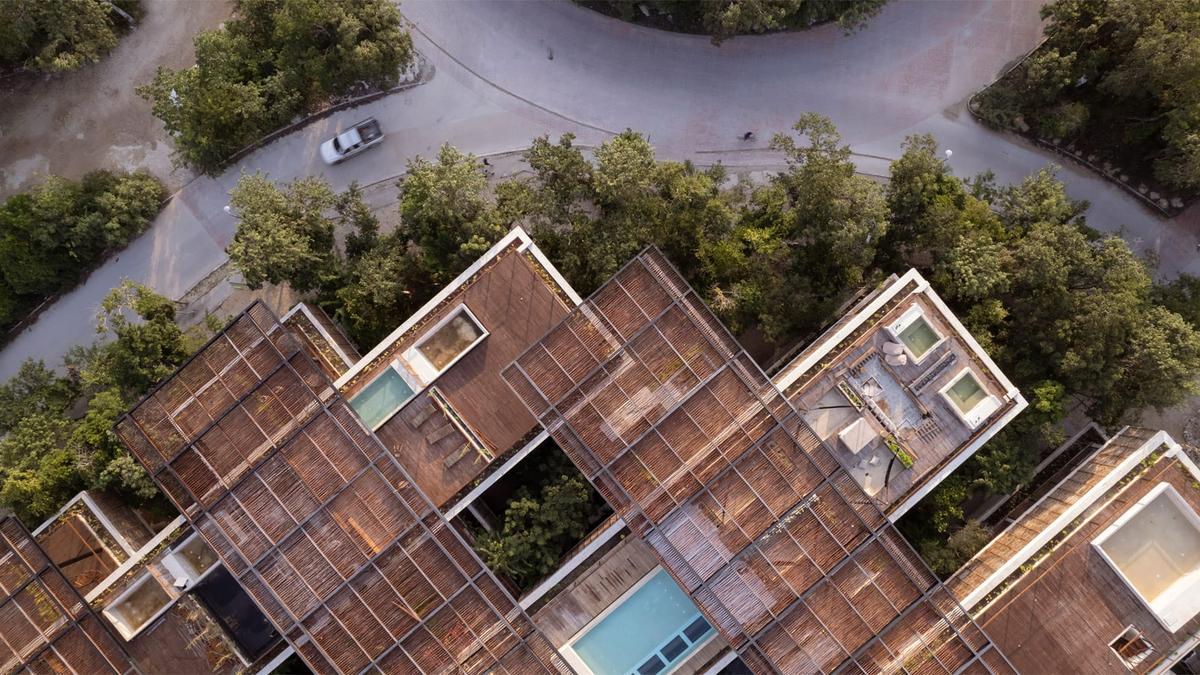
For years, the skyline of Tulum was defined by cranes and the relentless sound of construction. In 2026, however, the pace has changed. What some observers initially interpreted as a deceleration is increasingly being recognized by specialists as a necessary, and ultimately beneficial, structural maturation.
This is no longer a market of speculative speed, but one of professional performance. For the serious investor, the 2026 landscape represents a transition from the early excitement of the post-pandemic era to a sophisticated, operational model built for stability and long-term value protection. This trend follows broader shifts in Mexico’s construction sector index, which has shown a move toward institutional-grade projects across the country.
Market Depth and the Diversity of the 2026 Catalog
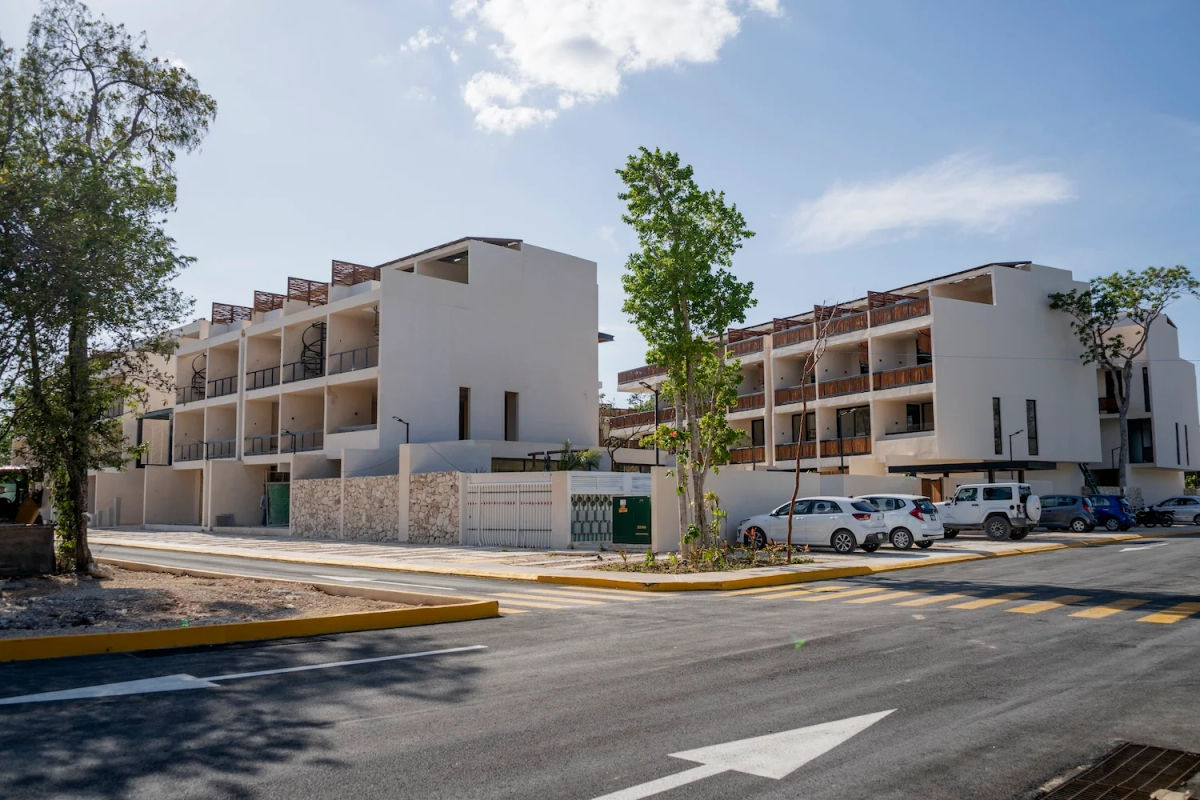
The most significant characteristic of 2026 is the incredible depth and diversity of the property catalog. With thousands of new units now delivered or in the final stages of completion, the market has transitioned from scarcity to a selection-driven environment. This abundance allows investors to be highly selective, choosing only those projects that meet the highest standards of architectural merit and legal transparency.
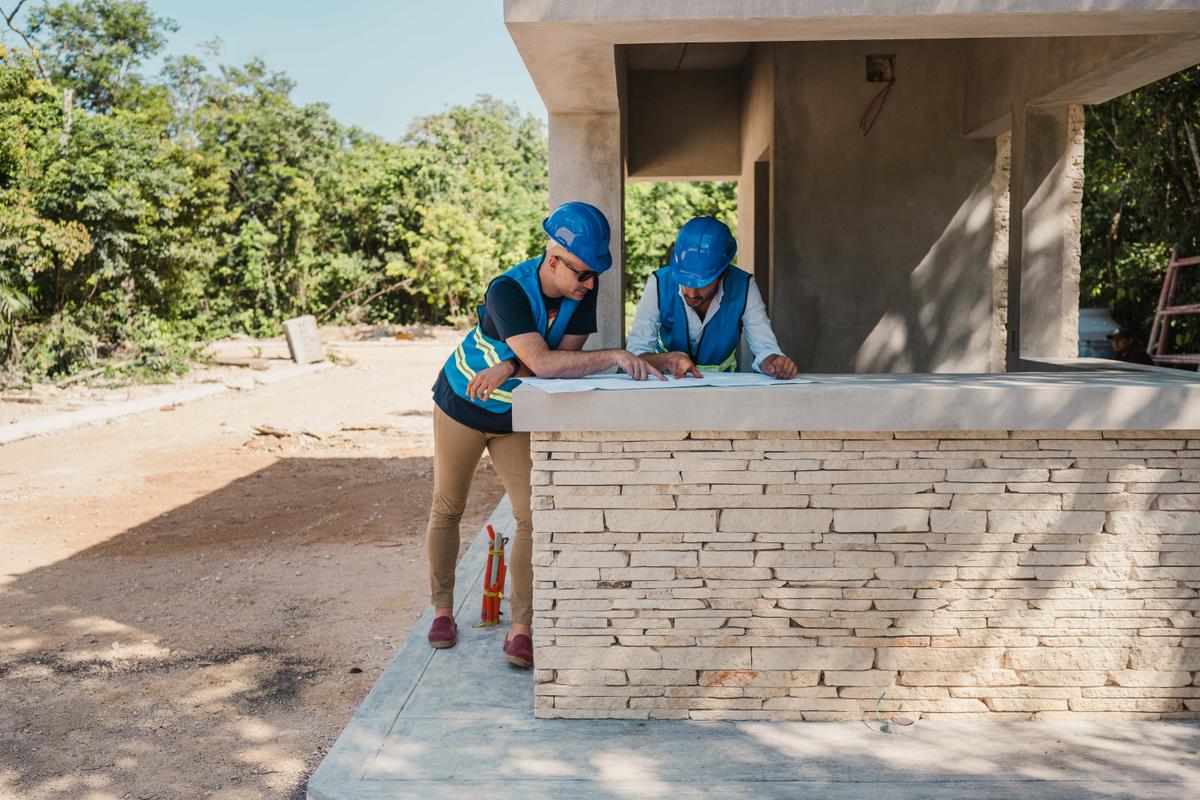
Far from a crisis, this increase in supply is professionalizing the sector. Developers can no longer rely on simple renders to sell dreams. In 2026, they must compete on physical delivery and operational excellence. This shift is closely linked to the current Tulum hotel occupancy crisis, where traditional hospitality providers are also adjusting to a more competitive and professionalized climate that rewards quality over quantity.
Moving toward Long-Term Performance and Stability
A critical indicator of 2026 is the stabilization of rental yields. In the early stages of the market, speculative projections were often untethered from reality. Today, we are seeing a shift toward operational performance. A net return of four to six percent is now considered a professional and stable benchmark, aligning Tulum with established global hospitality markets.
For the 2026 buyer, this means that real estate in the Riviera Maya is now a foundational asset for long-term wealth protection rather than a vehicle for quick flipping. This phase of the cycle protects the equity of the serious owner, as the market filters out the noise and leaves behind properties with actual operational track records.
Strategic Comparison and The Shift from Growth to Maturation
The transition from the early expansion phase to the current era of stability is best understood through the following operational shifts. Each change represents a move toward a more predictable and institutionalized environment.
- Market Power. Transitioned from the developer-driven era of the early 2020s to the selection-driven buyer’s market of 2026.
- Net ROI Expectations. Moved from speculative and often unverified projections to stable, operational returns based on actual data.
- Investment Strategy. Shifted from asset appreciation through flipping to yield and long-term value protection.
- Market Pace. Evolved from the early excitement of pre-sales to a phase of professional consolidation and delivery.
- Infrastructure Reality. Transitioned from promises of future growth to a concrete focus on utility and grid modernization.
Infrastructure Evolution and the Modernization of Utilities
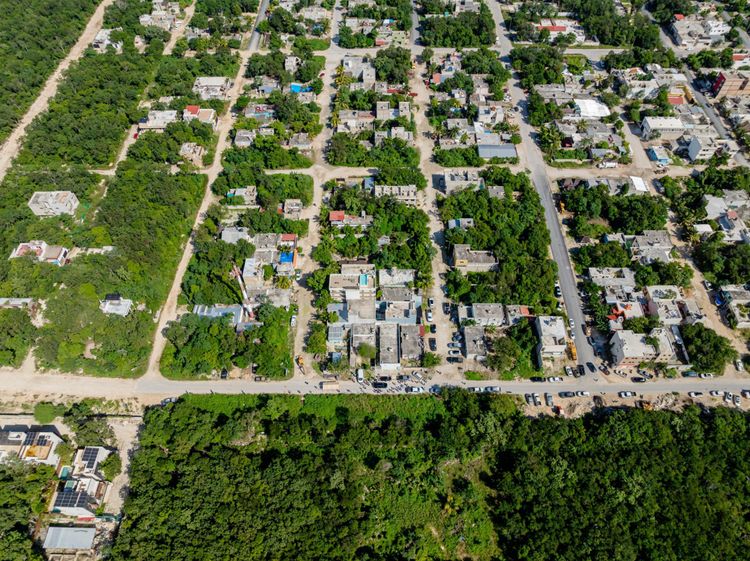
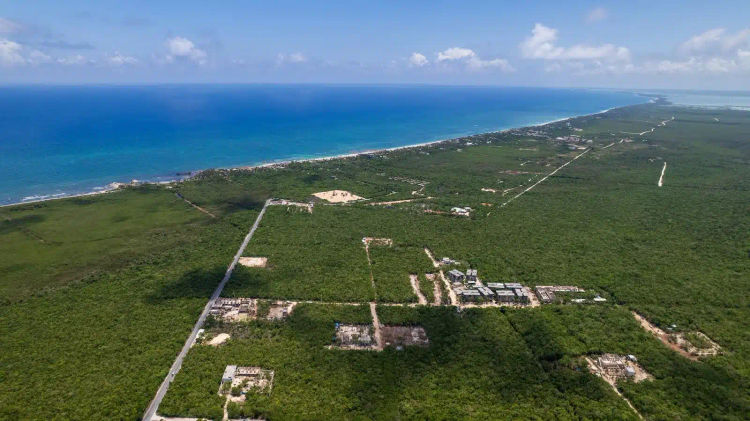
One of the most impressive stories of 2026 is the Infrastructure Evolution of Tulum. The rapid growth of density in areas like Aldea Zama and Region 15 has triggered a massive modernization of the electrical grid and water systems.
Rather than a challenge, this scaling of utilities is a signal of a town that is becoming a world-class city. Serious investors and professional developers are now prioritizing buildings that are fully integrated into the official CFE grid and CAPA water systems. This flight to infrastructure certainty is part of the Tulum infrastructure growth contrast that defines the town’s current geography of value.
The Transit-Oriented Catalyst and the Strategic Pivot
The full operation of the Maya Train and the Tulum International Airport has created a demand for sophisticated, connectivity-focused rentals. Properties located near the train station or the new airport connection roads are currently seeing high demand from a new demographic of regional professionals and digital nomads.
This shift toward Transit Oriented Development (TOD) is a sign of a maturing urban ecosystem. For the 2026 investor, focusing on these centers of connectivity is a professional strategy that supplements the traditional vacation rental market. This evolution is also visible in the commercial sector, where projects like the Centro Tulum Commercial Plaza are providing the services and infrastructure required for a permanent, high-end population.
Institutional Support and Professional Asset Management
Perhaps the most reassuring signal of 2026 is the influx of institutional capital. Global hospitality brands such as Marriott, Hilton, and Hyatt have firmly established their presence, bringing a level of operational standard that was previously unavailable. This institutionalization de-risks the market for conservative investors.
The 2026 Professional Standard Checklist
- Certified 'Escritura' and Legal Transparency. Confirm the land has a clean, individual title registered in the Public Registry. Professional developers in 2026 provide full transparency on their legal structure.
- Infrastructure Integration. Verify the building’s official connection to the CFE grid and CAPA water systems.
- Property Management Excellence. Review the operational track record of the management team.
- Maintenance Capitalization. Inspect the Homeowner Association fund structure. A professional building is one that is capitalized for long-term preservation.
- Construction Warranty. Ensure the contract includes the standardized hidden defects clauses that characterize the professional developers of the Quintana Roo State.
The Path Forward for a World-Class Destination
Tulum is no longer just a trend; it is an established, professionalized, and institutionalized player on the global stage. Like any adult city, it has learned that stability and operational standards are the true drivers of value. For the serious investor, the 2026 maturation is not a reason for caution, but a major window of opportunity to enter a market that has finally found its professional footing.
Is the 2026 maturation a sign of stability or a window of opportunity for your portfolio? Join the conversation and share your perspective with us on Instagram and Facebook at @TulumTimes.
Read Next