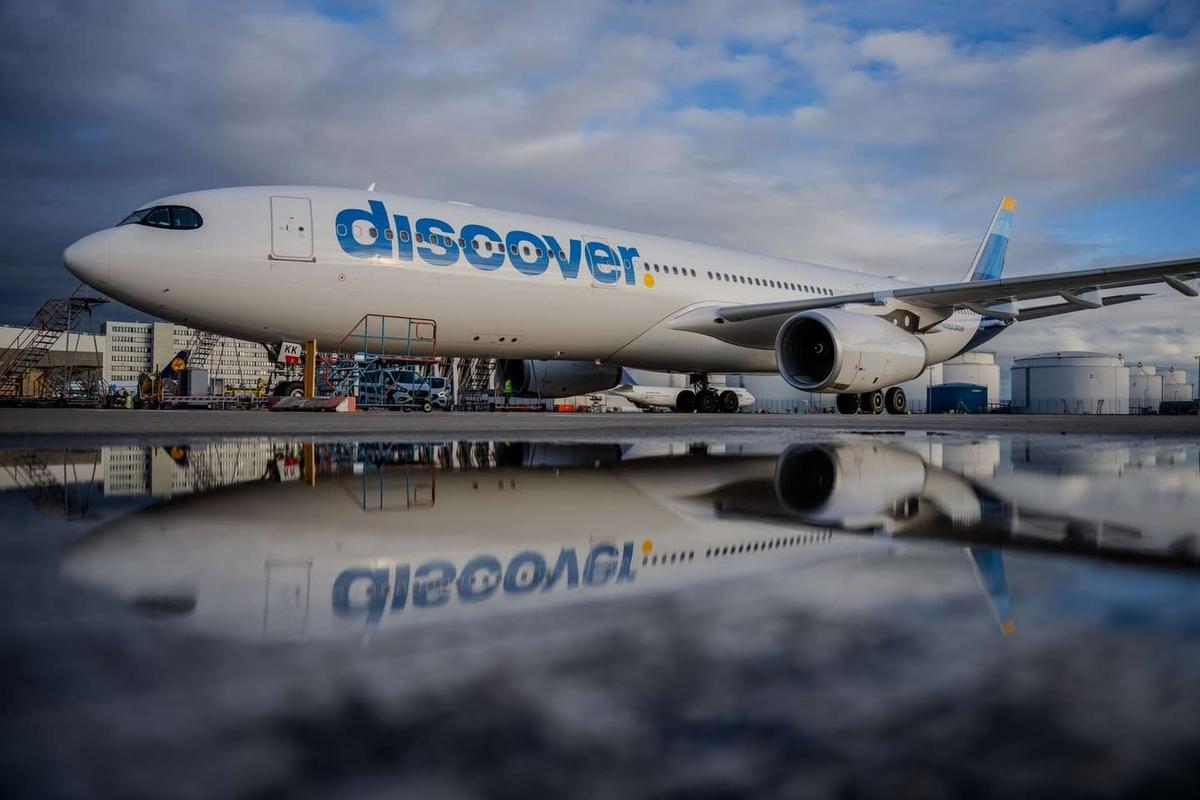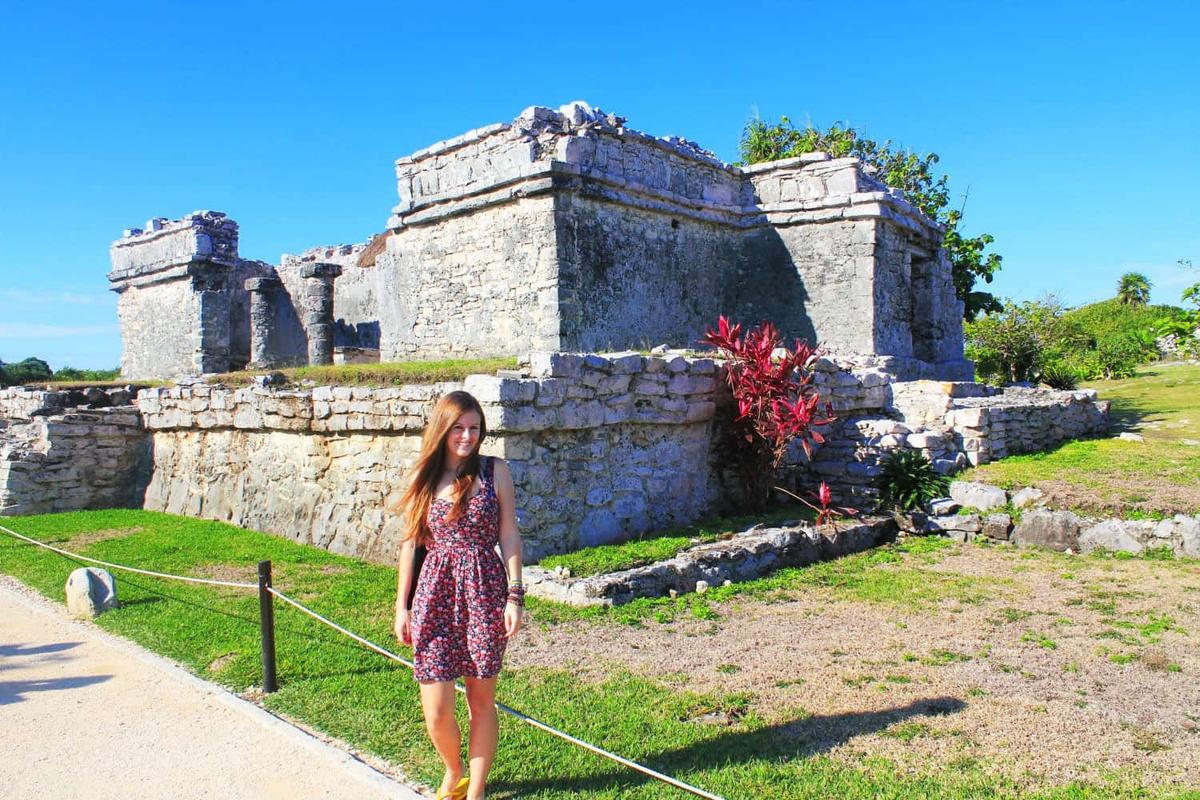
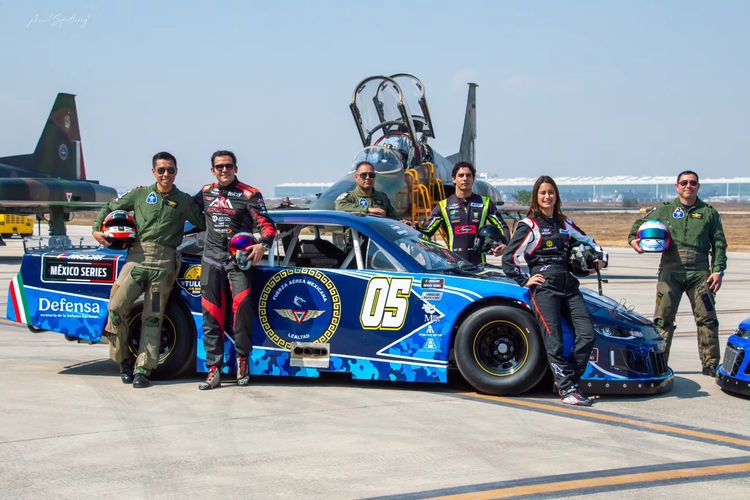
The vibration of powerful fans in the pits and the gut-shaking vibration of F-5 Tiger II engines are poised to alter the landscape of the Caribbean forever. The TULUM 100 – NASCAR MEX & AIR SHOW 2026 is far more than a sporting engagement; it represents a historic integration of top tier motorsports and modern aeronautical engineering, set within the secure perimeter of an active international aviation hub.
From April 23 to 26, 2026, the Tulum International Airport Felipe Carrillo Puerto (TQO) will welcome more than 30,000 visitors for a four day festival that serves as the climax of what officials call the "FAMEX Shift." This strategic relocation of Mexico’s premier aerospace fair to the booming southeastern frontier marks a new era for the region, and this guide serves as the definitive manual for those navigating this unprecedented event from across the globe.
A Vision of Industrial and Competitive Gravity
The TULUM 100 is founded on two distinct but complementary pillars: the FAMEX (Feria Aeroespacial México) and the NASCAR Mexico Series. By moving the aerospace fair from its traditional bases in central Mexico to the Yucatan Peninsula, the federal government and state leaders are signaling the Riviera Maya’s emergence as a new industrial core.
For the first time in Latin American history, a temporary NASCAR regulation oval has been engineered inside the secure perimeter of an operational airport. The result is a rapid theater where the track's straightaways run parallel to active runways, creating a sensory experience where the roar of the crowd competes with the thunder of departing jets.
The Master Agenda and A Four-Day Narrative of Intensity
The weekend’s complexity unfolds in stages, beginning on Thursday, April 23, a day dedicated to the aerospace foundation of the event. While primarily focused on industrial networking and B2B diplomacy, the gates open from 10:00 AM to 6:00 PM for a static exhibition of civil and military aircraft. The inauguration, led by Gral. Div. Piloto Aviador Alfonso Rodríguez Sierra, sets the tone for a weekend where the precision of the Mexican Air Force meets the grit of the racing world.
The atmosphere shifts toward intense competition on Friday, April 24, with activities commencing at 16:00 hrs. This is the afternoon when the NASCAR contingent takes command of the airport asphalt. Professional teams such as HO Speed Racing will conduct rigorous practice sessions to collect data on the unique airport surface, while fans with "Paddock Access" can engage directly with technical crews. Overhead, light-tactical aircraft will begin initial maneuvers, testing local wind patterns for the weekend’s grand exhibitions to follow.
The stakes escalate on Saturday, April 25, as the racing grid is finalized through intense qualifying heats for both the Mexico Series and the Challenge Series. The air above the airport will become a stage for the Mexican Air Force’s Guerreros Mexicas, who will perform technical parachute insertions into the track's infield. Between the qualifying rounds, the Fan Zone will host exclusive autograph sessions, offering a rare window for the public to meet the 2026 championship leaders.
The climax arrives on Sunday, April 26, with the official start of the main events at 16:00 hrs. The day begins with a Grand Aerial Parade, a synchronized formation of approximately 25 aircraft that will traverse the sky immediately following the traditional "Drivers, Start Your Engines" command. The TULUM 100 itself is a brutal 100-mile endurance sprint on the airport circuit, requiring between 50 and 65 laps of focused driving before the podium ceremony concludes the historic integration in the main hangar.
Engineering Mastery in the Mexican Sky
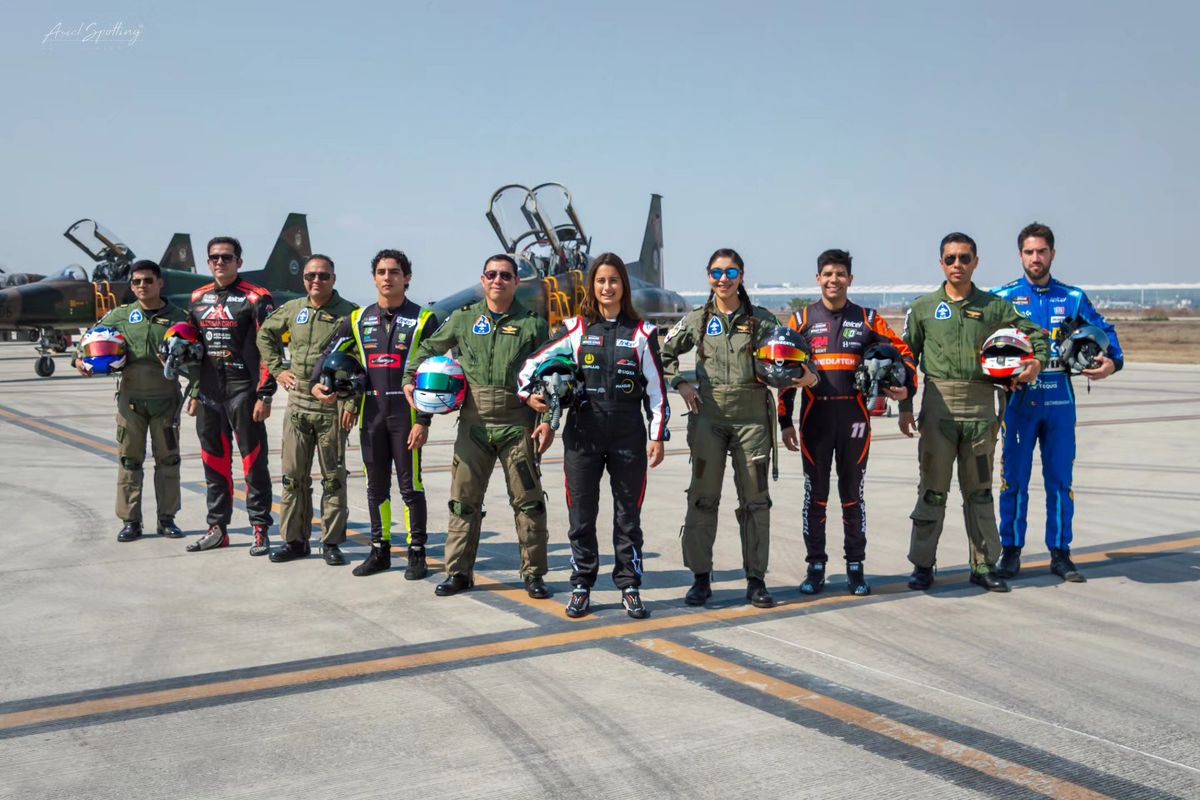
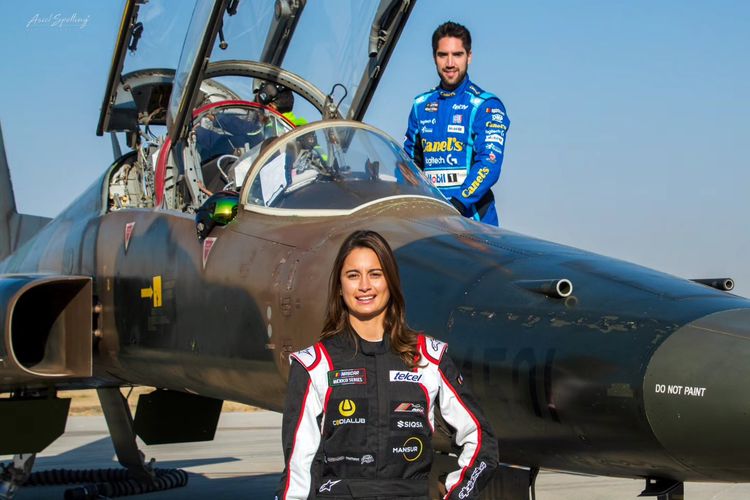
Under the technical direction of Gral. de Grupo Piloto Aviador Disraelí Gómez Herrera, the air show features a curated fleet designed to demonstrate the breadth of modern aviation. The standout participant is the Halcón 2, a lightweight trainer designed and manufactured by Horizontec in Guanajuato. As the first aircraft engineered and produced entirely in Mexico in over eight decades, it serves as a powerful symbol of national industrial sovereignty.
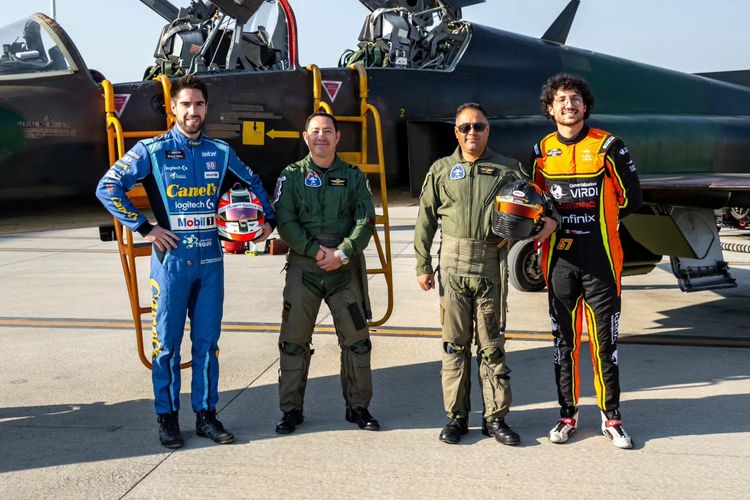
The skies will also be dominated by top tier squadrons like the F-5 Tiger II, the supersonic backbone of Mexico’s defense, and the versatile C-130 Hercules and T-6 Texan II which form the logistical and training core of the Mexican Air Force. Fans can expect low altitude flybys and high G turns that radiate throughout the Tulum jungle. Meanwhile, the Águilas Aztecas, flying the PC-7 Pilatus, will demonstrate the pinnacle of formation flight. These nine pilots are world renowned for maneuvers such as the "Mirror" and the "Downward Fan," which require millimeter-perfect coordination. Adding to the tactical display, Black Hawk helicopters will demonstrate fast roping maneuvers, often working in tandem with the paratroopers of the Guerreros Mexicas.
The Oval in the Clouds and Navigating the TQO Circuit
Watching a race at an international airport introduces variables that do not exist at standard motor speedways. The most critical factor is the abrasive tarmac. Unlike the asphalt found on social use highways or dedicated tracks in Puebla, the airport’s taxiway surface is engineered to withstand the extreme heat and weight of commercial jet engines. For NASCAR teams, this translates to significantly higher tire degradation, forcing crew chiefs into complex pit strategies.
Furthermore, the airport’s coastal position invites unpredictable crosswinds. Without the traditional grandstand "shielding" found at permanent ovals, drivers will face sudden gusts, particularly in Turns 2 and 4. For those seeking a premium view of these technical challenges, the LazeBra Experience hospitality lounges offer an exclusive vantage point directly overlooking the finish line.
Planning the Pilgrimage and A Global Logistics Matrix
Reaching the TULUM 100 site at Kilometer 201 of Carretera Federal 307 requires a well orchestrated transport strategy. For those traveling from within Mexico, the options range from direct flights to the expanding Tren Maya network. A journey from Mexico City typically involves a flight to Cancún followed by a three to four hour Tren Maya connection, with total costs ranging between $200 and $400 USD.
Travelers from Monterrey or Guadalajara can often find direct flights to either Cancún or the Tulum airport itself, costing between $180 and $450 USD depending on the season. Locally, the ADO bus remains a reliable workhorse, with routes from Mérida taking roughly six hours at a cost of $60 USD, while a bus from Chetumal arrives in four hours for approximately $35 USD. The quickest regional transit is from Playa del Carmen via the Tren Maya, a 90-minute journey costing only $25 USD.
International visitors from the United States and Canada are advised to prioritize direct routes to TQO offered by American Airlines from Houston or United Airlines from Miami/New Jersey. Upon arrival, taxis to Tulum Center average between $30 and $50 USD. To manage the massive influx, the Green Angels (Ángeles Verdes) will provide strategic roadside assistance across the region. It is noteworthy that citizens from the US, EU, and Canada do not currently require a visa for stays under 180 days, nor is there an "ESTA" equivalent required for air entry into Mexico for these nationalities.
Cultural Gravity and the Fan Experience
Ticketing for the event is managed exclusively through The Hive Tickets, where access begins as low as $50 USD for single day general admission. Securing "Phase 1" pricing is highly recommended as the date approaches. A primary option is Grandstand A, which offers an integrated two-day pass for approximately $170 USD ($2,884 MXN), covering both Saturday’s qualifying sessions and the main Sunday race.
The spiritual heart of the event, however, is the Blue Zone or Fan Zone. This area is designed as a Mexican gastronomy village, though visitors should note that outside coolers are strictly prohibited. The zone also features interactive flight simulators, a Ferris wheel with a view of the pit road, and live DJ sets that will host post-race celebrations late into the Sunday night.
Strategic Accommodations and Regional Bases
With Tulum projecting an occupancy rate exceeding 95% for the race weekend, selecting a base of operations is a critical decision. Within the "Luxury Perimeter" of Tulum Center and Aldea Zama, hotels like Holistika offer a wellness focused environment that provides a sharp contrast to the day's mechanical roar, typically priced around $180 per night. For those seeking deeper immersion in the jungle, the Ajal Tulum Treehouse offers a secluded stay at $250 per night, while Anat Tantric provides high tier luxury for approximately $400 per night.
Many fans choose the "Playa del Carmen Pivot," staying further north where room inventory is more abundant and prices average closer to $90 per night. This strategy relies on the Tren Maya to reach the airport gate each morning. Additionally, LazeBra offers comprehensive packages that bundle tickets with shuttles and hotel stays for a streamlined experience.
The Protagonists and A Pilot Roster to Watch
The local press is currently focused on two primary names as the 2026 season approaches. Diego Ortiz, driving the #11 car for HO Speed Racing, is considered the heavy favorite. Backed by a powerful sponsorship group including Joyería Bizarro, Telecom, and Lamitex, Ortiz is known for his technical precision. His primary rival in the narrative is Santiago Cruz, the designated "Host Pilot." With over 12 years of experience on regional motor circuits, Cruz’s understanding of how high humidity affects engine intake serves as a significant tactical advantage on the Caribbean coast.
Blindaje Tulum and The Architecture of Security
Operation "Blindaje Tulum" represents a massive coordination between the Secretaría de la Defensa Nacional (SEDENA), the National Guard, and local state forces. Access to the airport relies on a dedicated 10.5-kilometer entrance road connected to Federal Highway 307. The airport will maintain a triple-ring sterile security zone during the festival. Attendees should be aware that tactical gear, drones of any size, glass containers, and large coolers are strictly prohibited. To ensure the safety of both the 30,000 attendees and the racing teams, SEDENA will operate a mobile field hospital on-site with full aero medical evacuation capabilities.
Essential Attendee Intelligence and Know Before You Go
As you prepare for this historic weekend, there are several key advisories to keep in mind. While the Air Show by FAMEX is technically free to the public with prior registration, the most advantageous views are reserved for those in the paid NASCAR Grandstands. The event is intentionally designed to be family friendly and educational, but parents must ensure that all children have identification for entry and wear certified ear protection, given the proximity to jet engines.
In the event of unfavorable weather, the NASCAR Mexico Series follows a strict protocol of delaying or postponing sessions rather than racing in unsafe conditions. Unlike standard airport operations where rain might trigger general "ground holds," the race operates independently unless track grip or visibility becomes a safety failure. Parking is available in dedicated lots at TQO, though it should be noted that no camping is permitted on airport grounds.
For those unable to attend in person, official broadcasts will be hosted via the NASCAR México YouTube channel and FAMEX’s social media platforms. The event site has been verified for accessibility, with designated platforms and military assistance available in the Grandstand A sector. Finally, while most vendors in the Blue Zone accept credit cards, it is highly recommended to carry a minimal amount of Mexican Pesos (MXN) for smaller local vendors who may experience transactional delays due to high network demand.
Final Preparations for the TQO Epic
The TULUM 100 stands as a monument to Mexico’s growing technical prowess. As the F-5 jets scream overhead just as the NASCAR leaders cross the finish line, the world will see a Tulum that is far more than just a beach; it is an aerospace powerhouse. We recommend that all attendees carry high grade sunscreen for the dry April UV rays and download the Tulum Times App with offline maps, as signal saturation is expected. For those not attending the race directly, look toward the horizon on Sunday morning between 10:00 and 12:00 from the beaches at Playa Paraíso to see the tactical jets performing their synchronized return across the Caribbean sea.
Is the roar of 500hp engines enough to transform Tulum's industrial prestige? Join the conversation on Instagram and Facebook at @TulumTimes.
Support The Tulum Times
Independent journalism takes time and resources. If you found this article valuable, consider supporting our work!
Buy us a taco 🌮“The best journalists reporting from paradise, highlighting the heroes that keep Tulum the most beautiful place in the world! THANK YOU!”
Read Next